The color of a mineral has been described in many independent systems over more than two centuries, by mineralogists, naturalists, painters, photographers, gemologists and color scientists.
This section presents those systems one at a time: who made each one, when and why, how it names or measures color, and what it was used for. They are not compared here; a comparison will follow as a separate page.
At Franklin and Sterling Hill many minerals have two colors: the one they show in daylight and the one they glow under ultraviolet light. Many others do not fluoresce at all and have only their daylight color. Both kinds of color are described in the pages that follow, each in its own terms.
Color systems, in order of date
From the court colors of seventh-century Japan to the standards of today. Each system is presented on its own terms.
 c. 40000 BCE
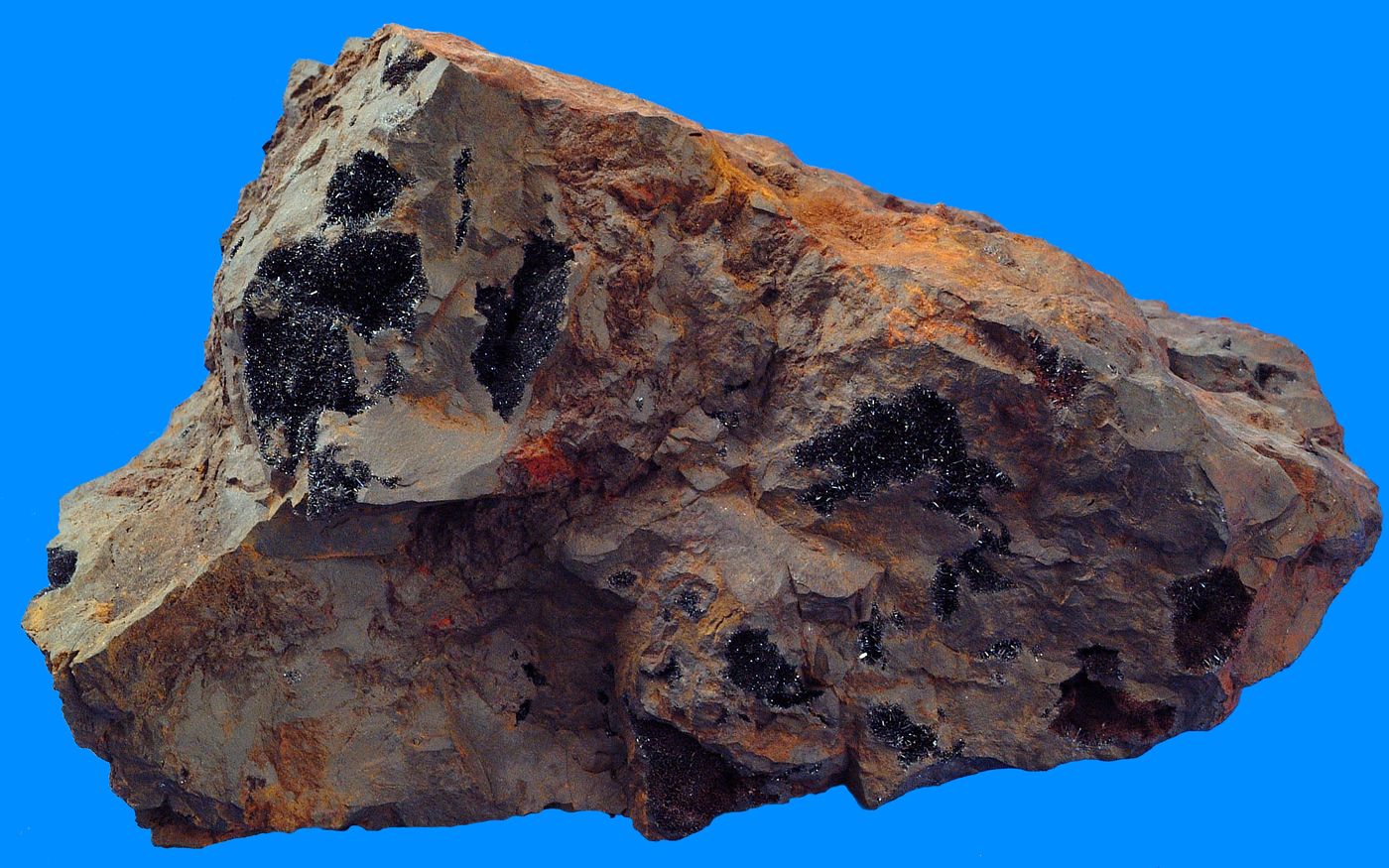
The first colors: mineral pigments in cave art
Red and yellow iron oxides, black charcoal and manganese oxides: the minerals behind the oldest painted images, from the hand stencils of Sulawesi, Spain and Patagonia to the ochre workshop at Blombos Cave.
 c. 4000 BCE
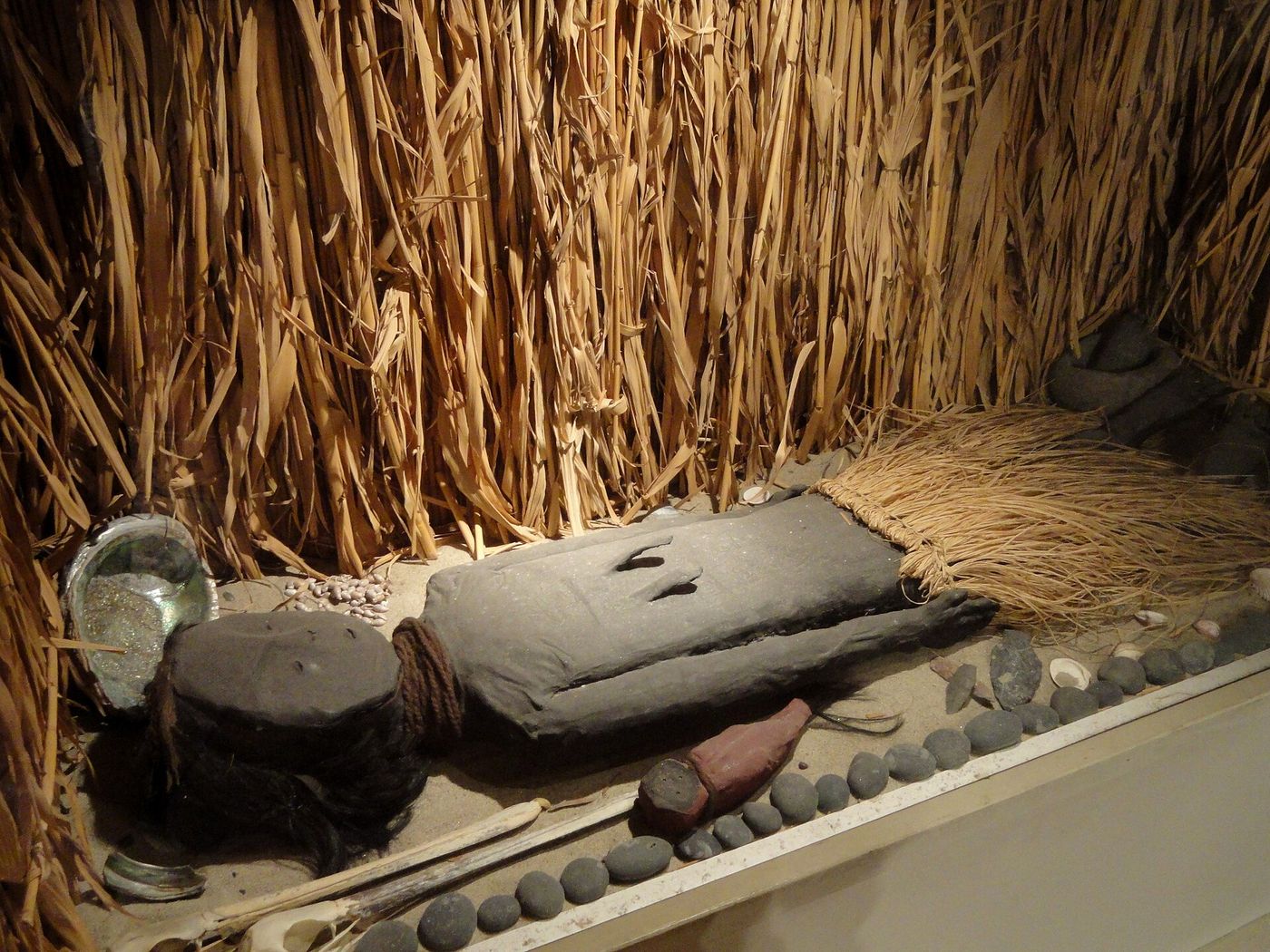
Black, red and vermilion: mineral color in the ancient Andes
The manganese-black and ochre-red mummies of the Chinchorro of northern Chile, and the cinnabar of Huancavelica, mined for vermilion for some three thousand years before the Spanish conquest.
 c. 3100 BCE
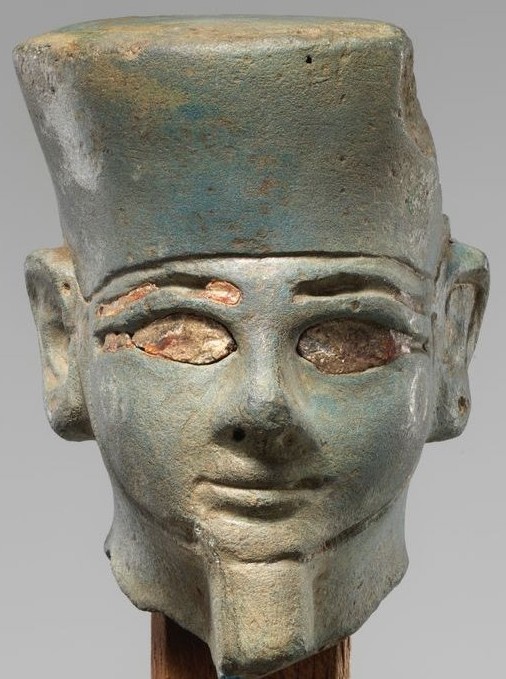
Color in ancient Egypt (from about 3100 BCE)
The mineral palette of Egyptian painting, the first synthetic pigment, the Egyptian words for color, and a blue that glows in the infrared.
 c. 2550 BCE
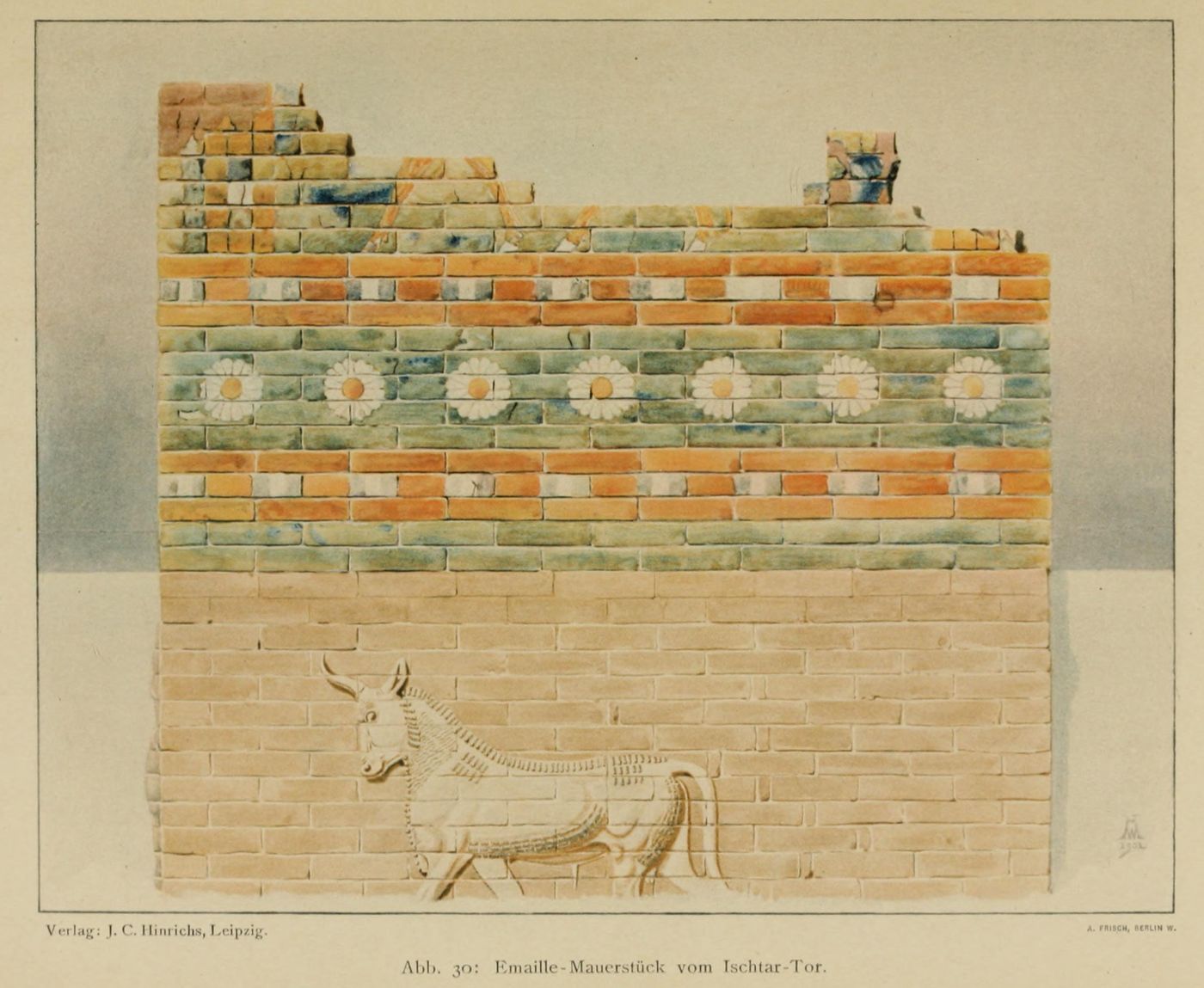
Color in ancient Mesopotamia (from about 2550 BCE)
Akkadian color words named after stones, lapis lazuli and its imitations in glass, Egyptian blue on Assyrian reliefs, and the mineral colorants of the glazed bricks of Babylon.
 c. 1150 BCE
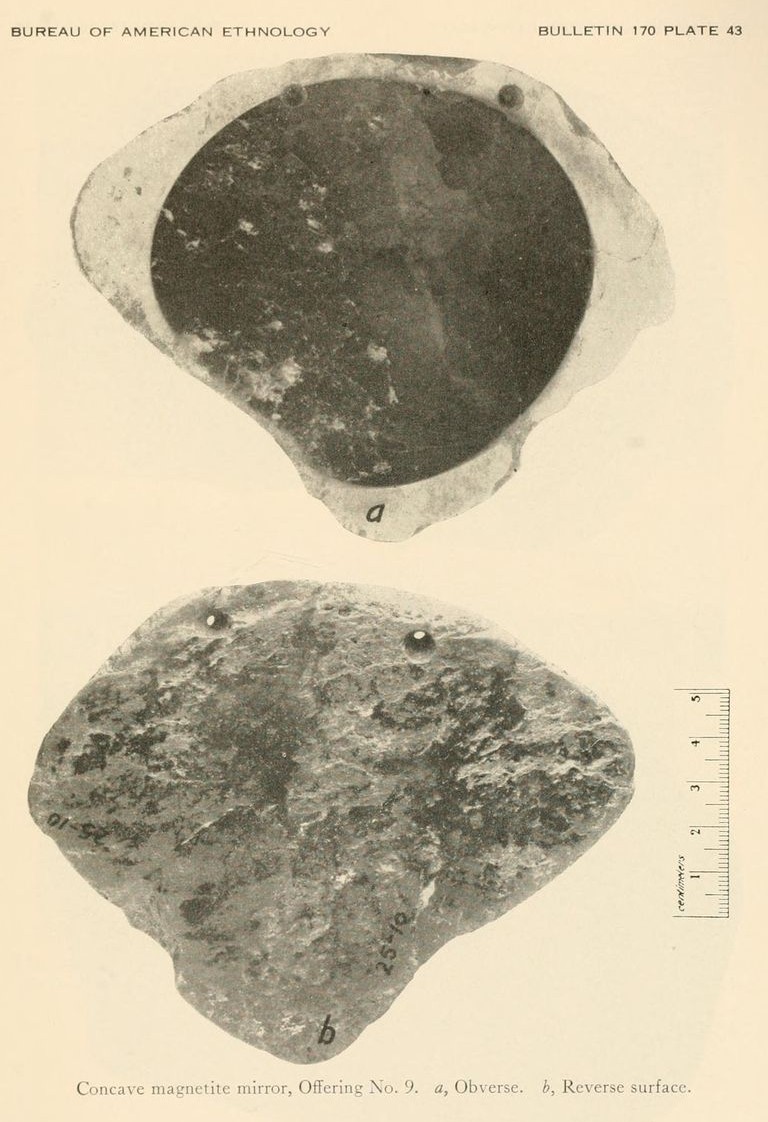
Stone mirrors that gather the sun: iron ore and cinnabar in ancient Mesoamerica
Three thousand years ago, without metal tools, the Olmec ground pieces of magnetite, ilmenite and hematite into concave mirrors true enough to focus the tropical sun, probably hot enough to light tinder; and the two mineral reds, cinnabar and hematite, of Maya burials, among them the tomb of the Red Queen at Palenque.
 c. 510 BCE
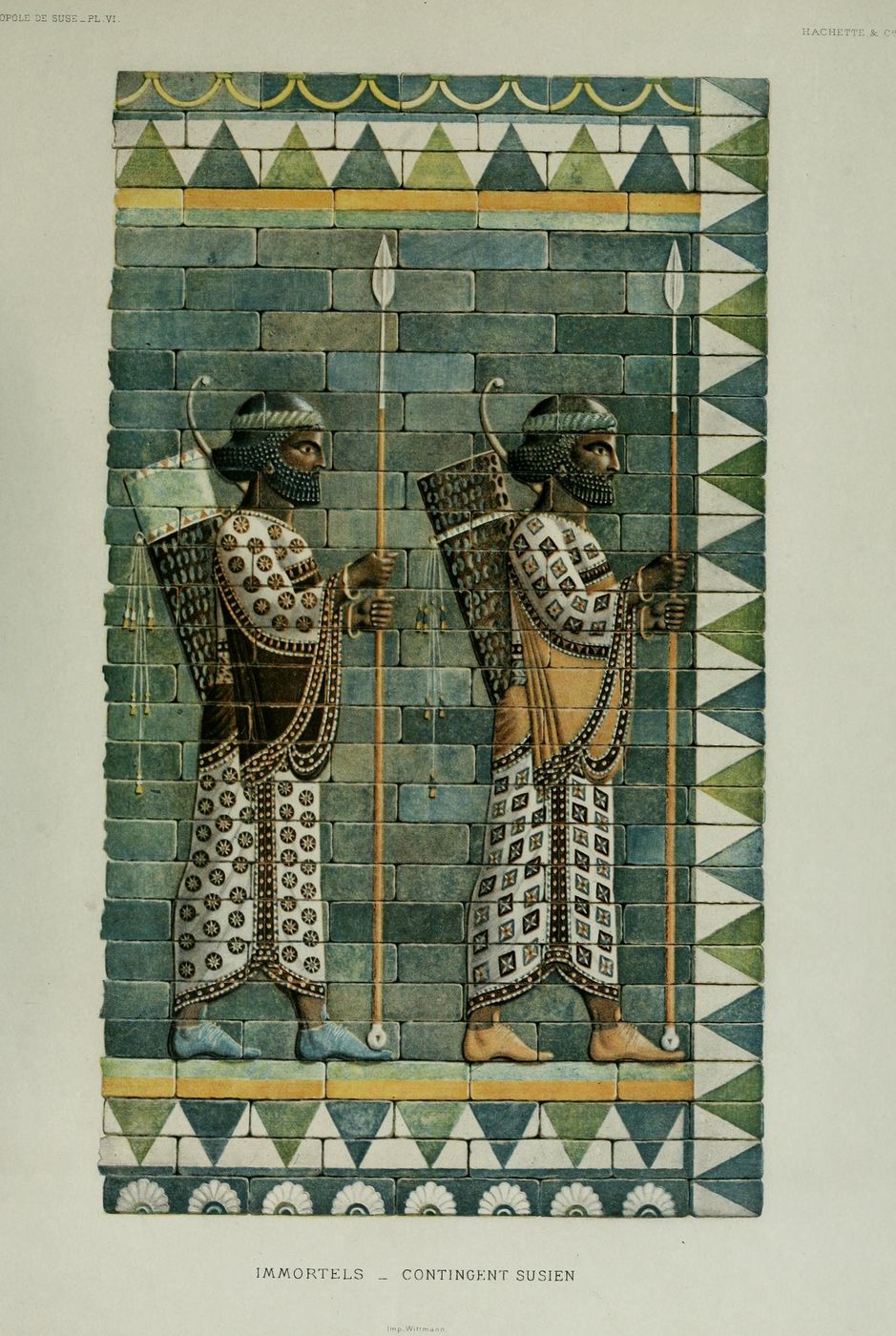
Color in Achaemenid Persia (about 510 BCE)
The glazed brick friezes of Susa, the paint on the reliefs of Persepolis, and the minerals identified in them, from Egyptian blue and lead antimonate to cinnabar and malachite.
 c. 350 BCE
Aristotle: colors between white and black (fourth century BCE)
The first systematic account of color in Greek philosophy, in which colors are mixtures of white and black and the rainbow has three colors.
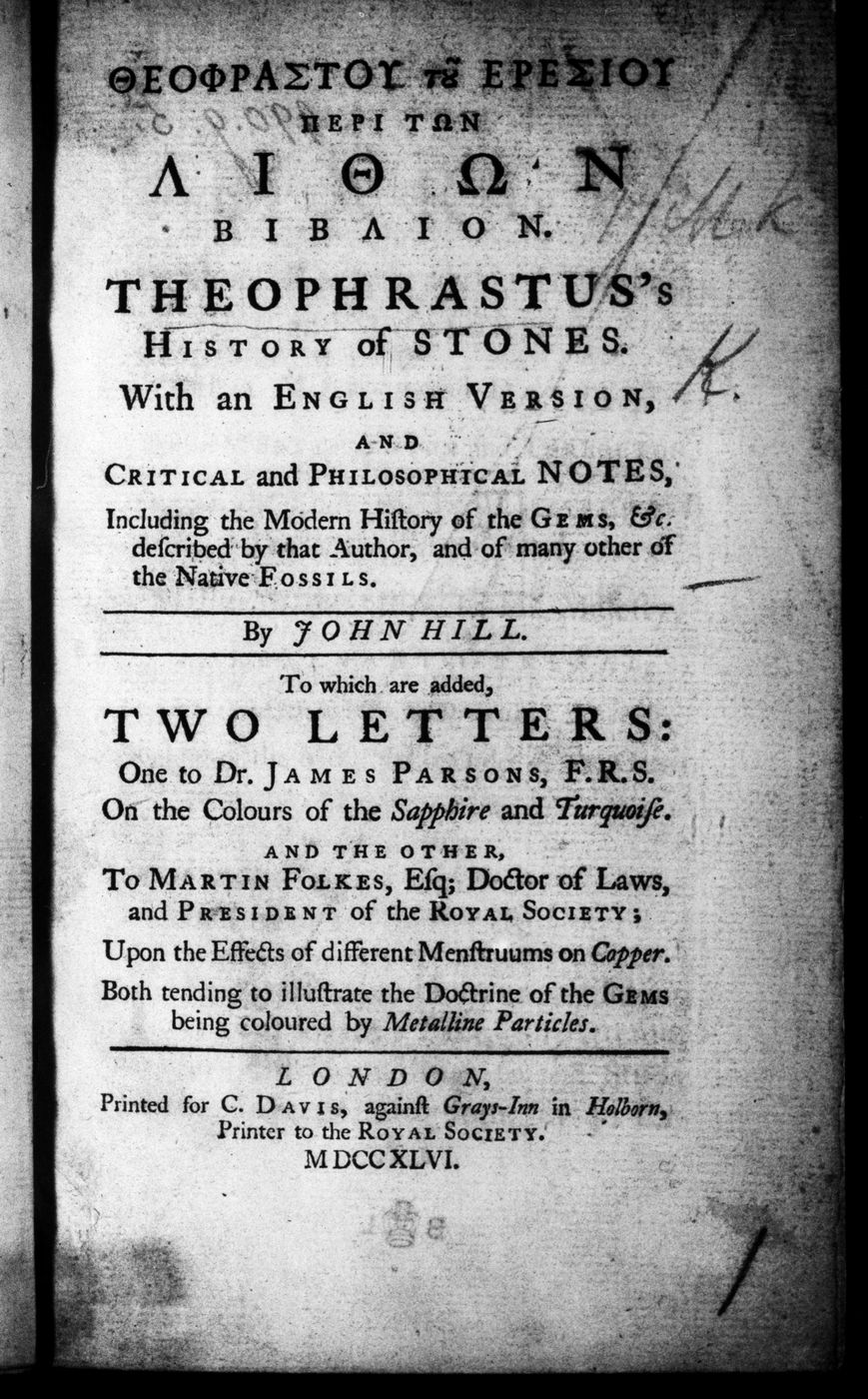 c. 314 BCE
Theophrastus, On Stones (about 314 BCE)
The oldest surviving treatise on minerals, which describes how the painters’ reds, yellows, blues and whites were dug, washed, burned and made.
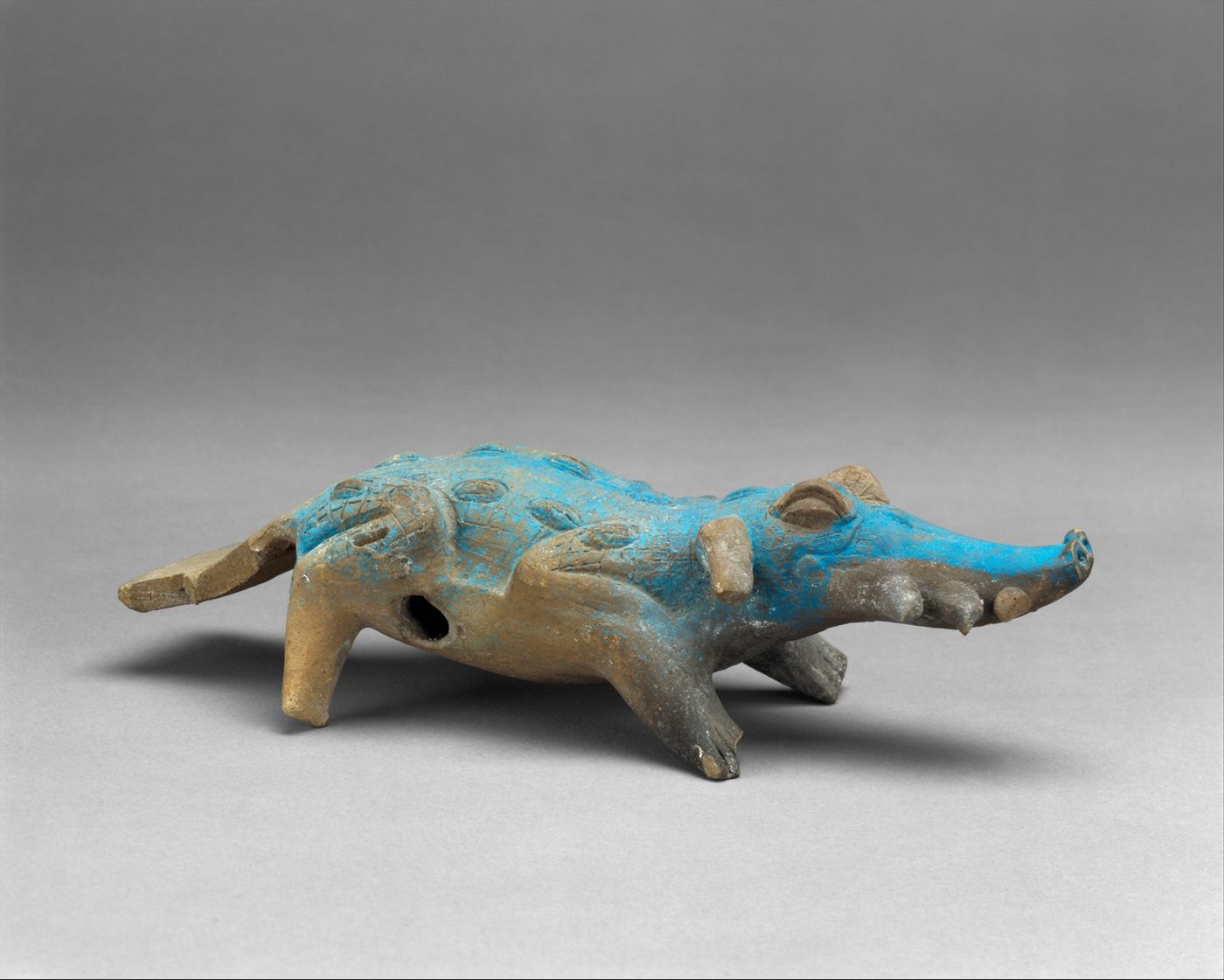 c. 50 BCE
Maya blue: a pigment of clay and indigo
A blue made in ancient Mesoamerica by binding the plant dye indigo to the clay mineral palygorskite, stable enough to survive centuries of tropical weather.
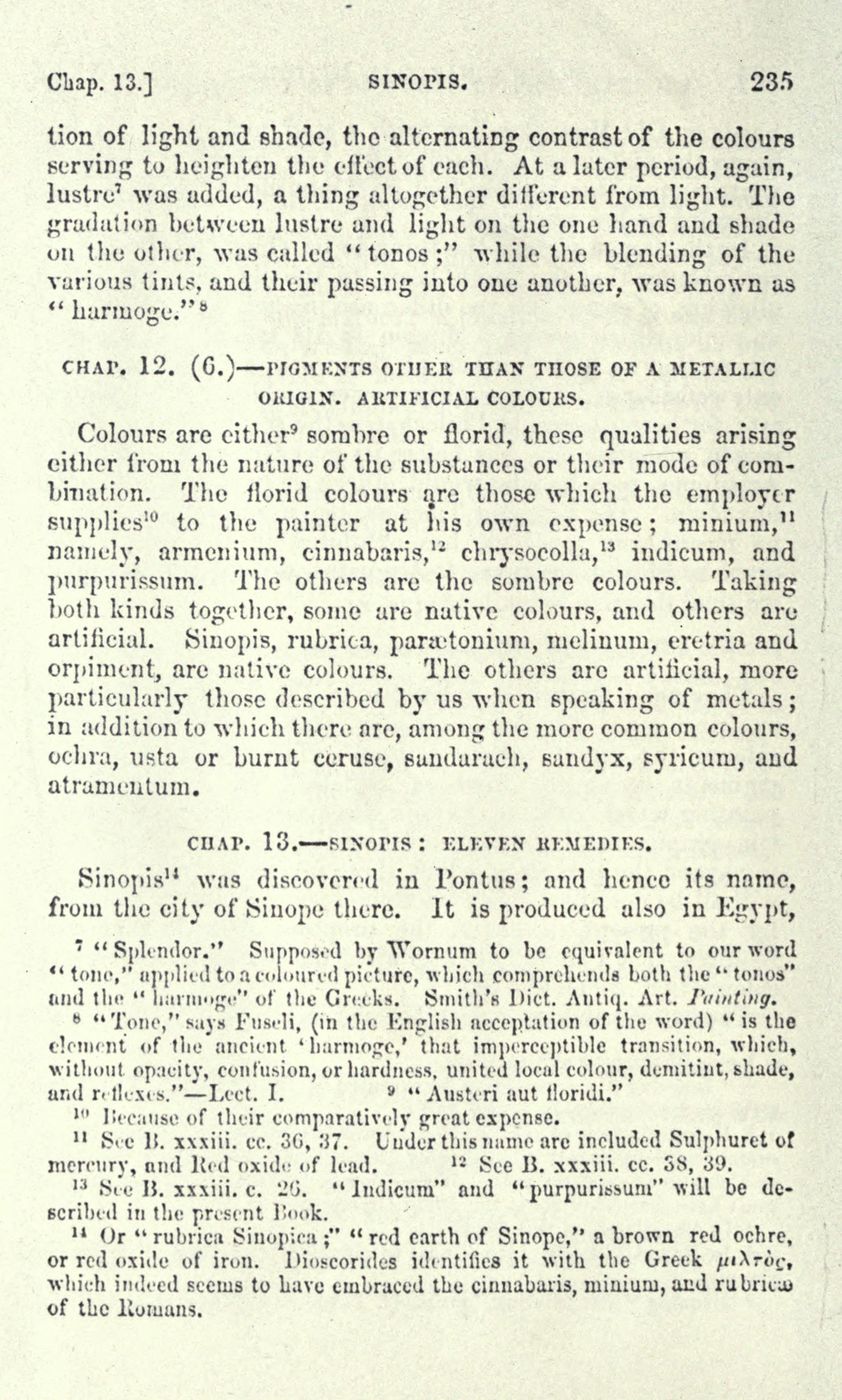 77
Pliny the Elder: the pigments of the Natural History (77 CE)
The Roman encyclopedia’s account of mineral pigments, its division of colors into florid and austere, and the four colors of the Greek painters.
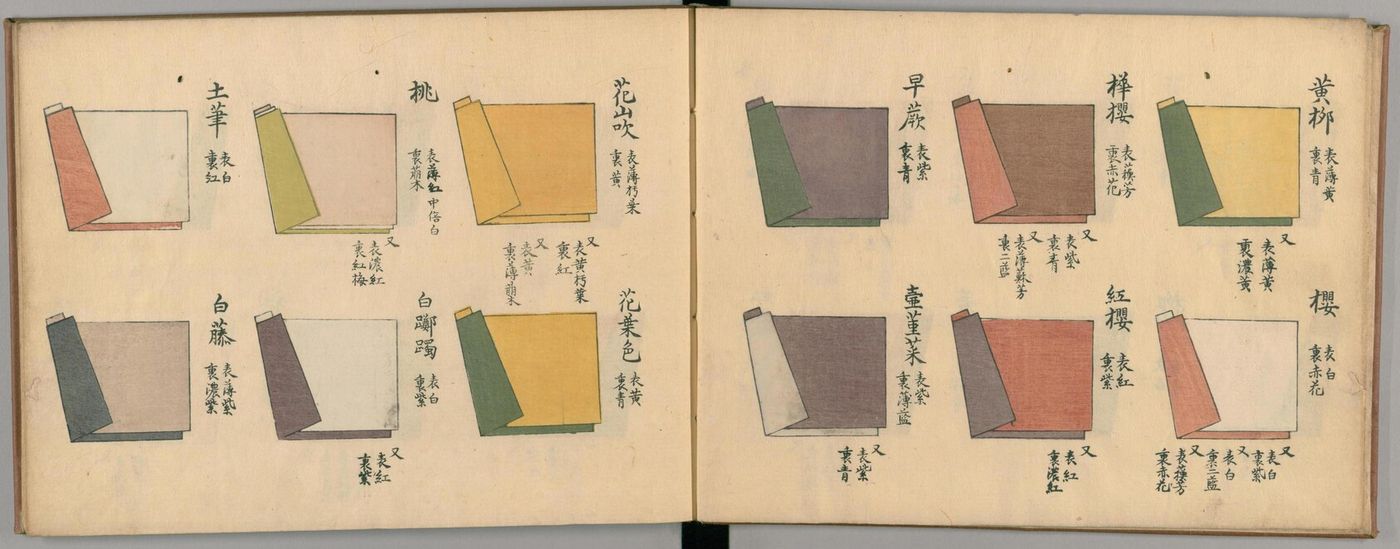 603
Japanese color: court ranks, layered colors and modern standards (603 to today)
Color as a mark of rank at the Asuka court, the named color combinations of court dress, and the color systems of modern Japan.
 1021
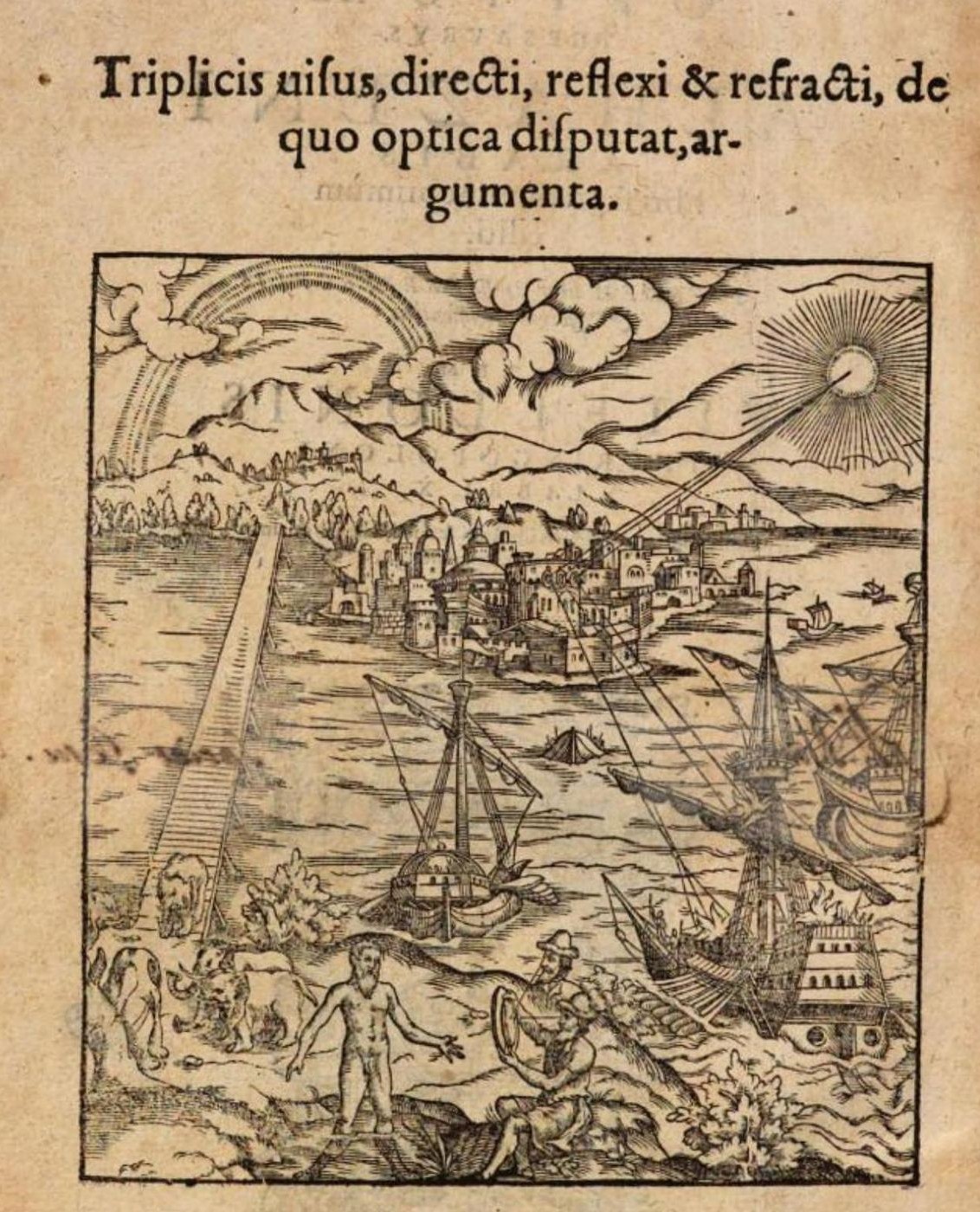
Ibn al-Haytham, Book of Optics (early eleventh century)
The Cairo treatise on light and vision in which colors are real properties of bodies, radiated with light from every point and never seen without it.
 1350
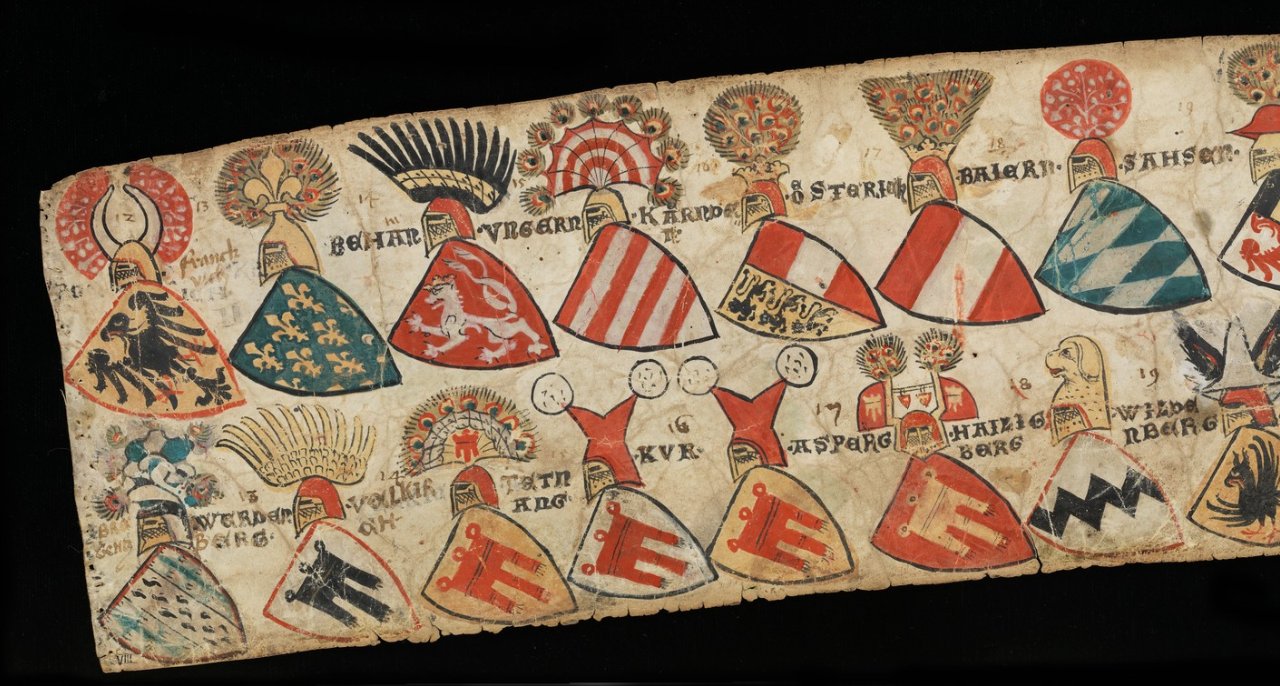
The heraldic tinctures (14th–17th centuries)
Heraldry uses a fixed set of colors with their own names, a rule for combining them, and, from the seventeenth century, a code of lines and dots for showing them in black and white.
 1400
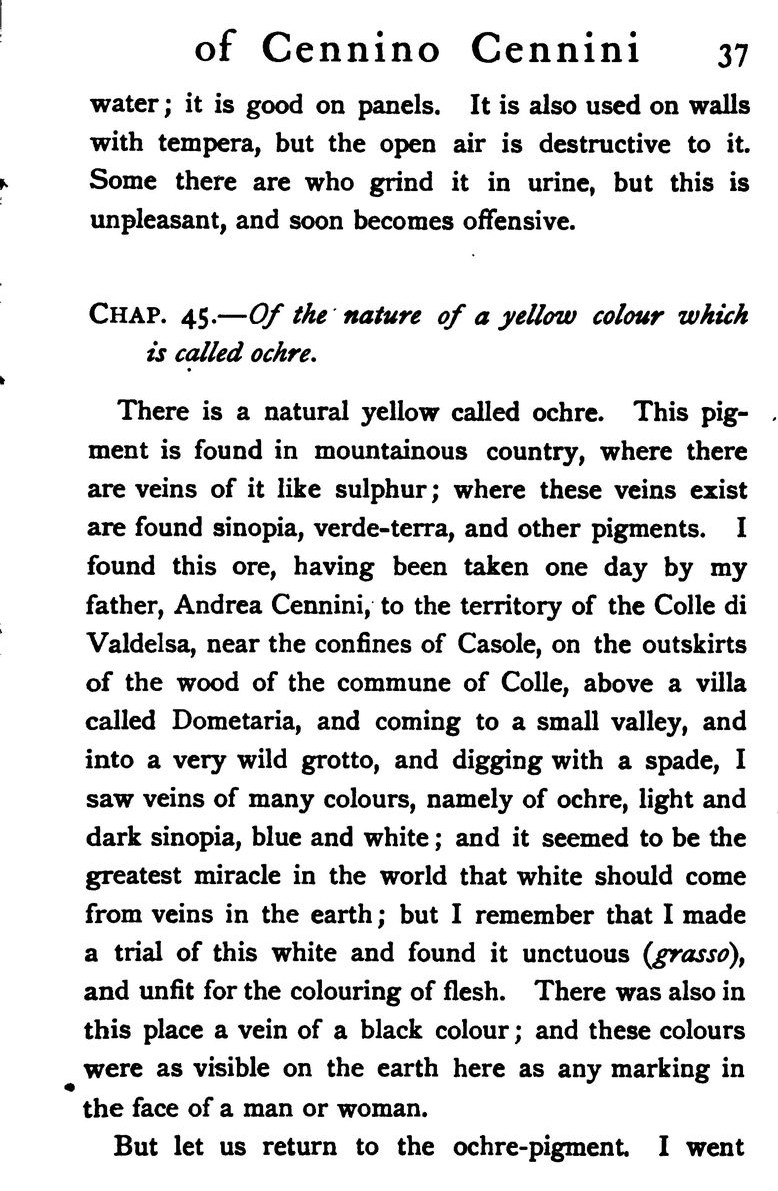
Cennino Cennini, Il libro dell’arte (about 1400)
A working painter’s handbook that names seven natural colors and tells where each pigment is dug or how it is made, including the recipe for ultramarine from lapis lazuli.
 1435
Alberti, De pictura: four colors for four elements (1435)
The first Renaissance treatise on painting, which names four true colors after the four elements and treats white and black as the means of changing them.
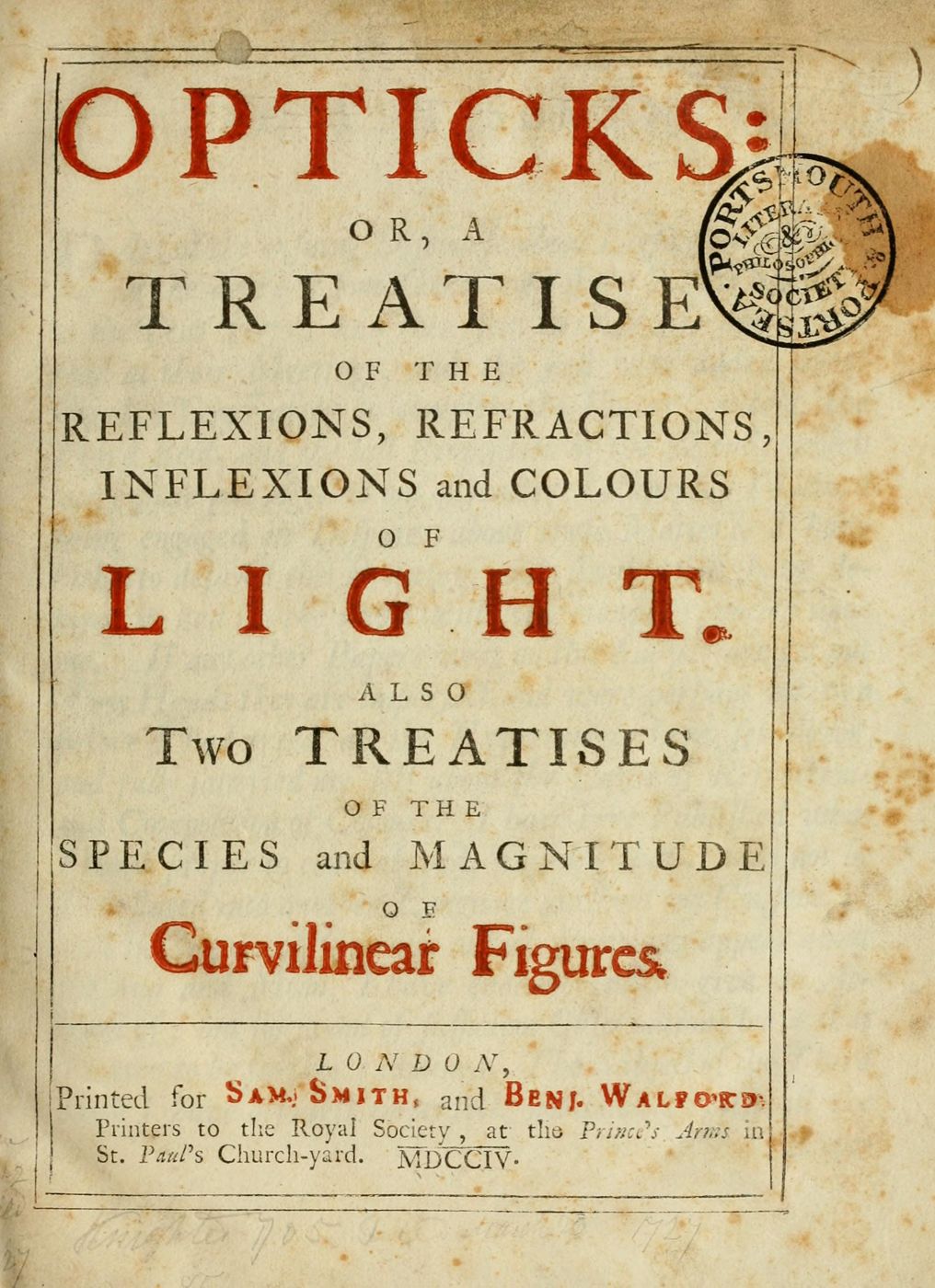 1704
Newton’s Opticks: the spectrum and the color circle (1672, 1704)
Isaac Newton split sunlight with a prism, named seven colors in the spectrum, and arranged them on a circle to predict the color of any mixture.
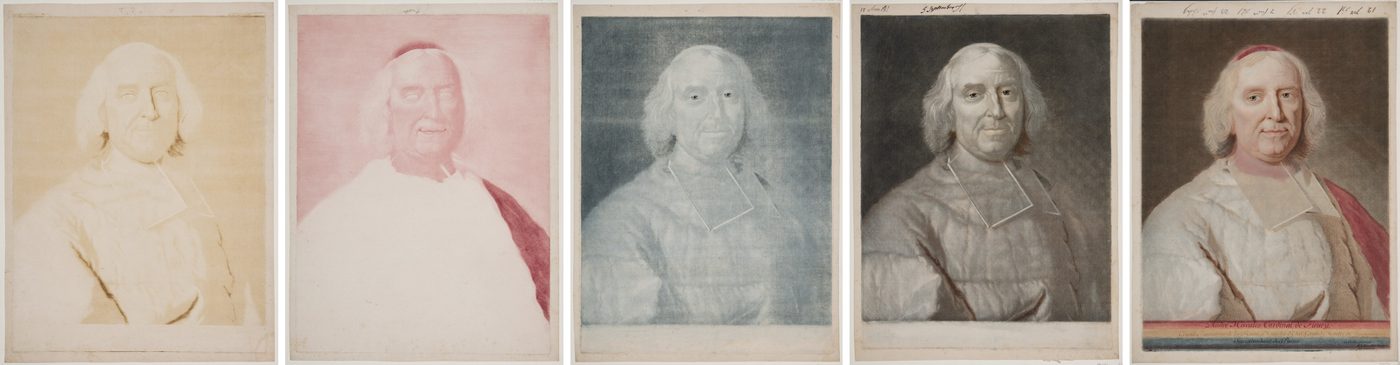 1725
Le Blon: printing in three colors (1719–1741)
Jacob Christoph Le Blon printed pictures from separate red, yellow and blue plates and wrote a short treatise, Coloritto, on composing all colors from those three.
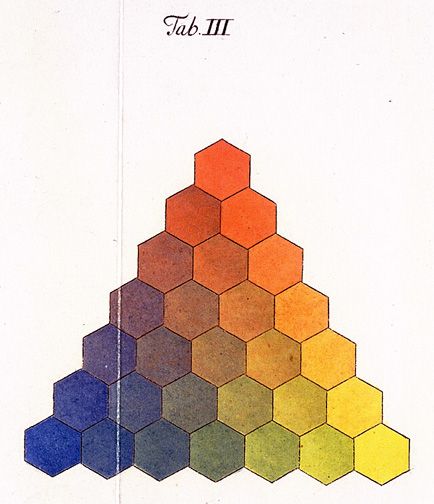 1758
Tobias Mayer’s Color Triangle (1758, 1775)
An astronomer’s count of the distinguishable colors: three simple colors mixed in twelfths, set out in a triangle of ninety-one cells.
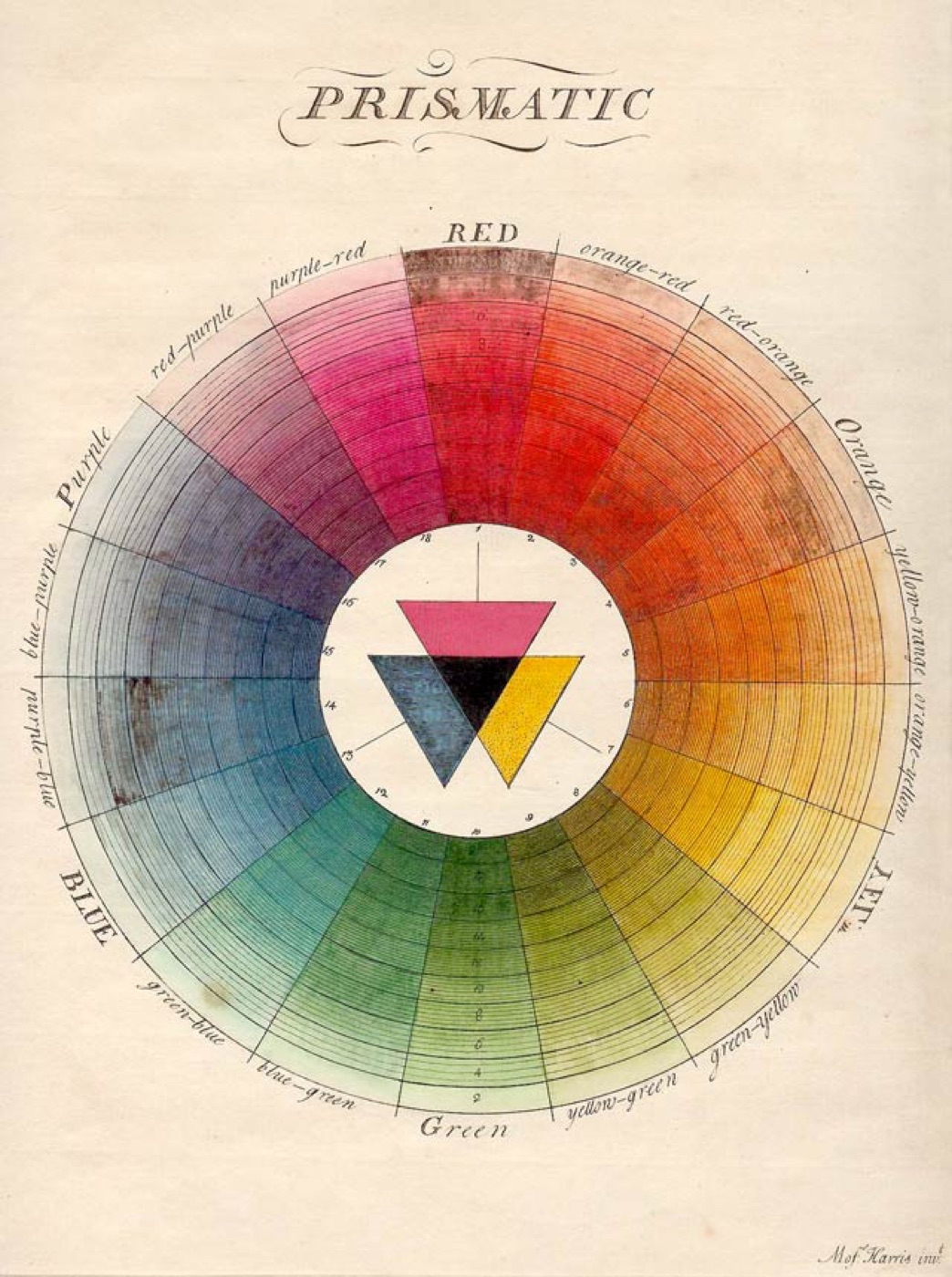 1766
Moses Harris, The Natural System of Colours (c. 1766)
An English engraver’s color circle, built from three primaries, red, yellow and blue, and printed in hand-colored plates.
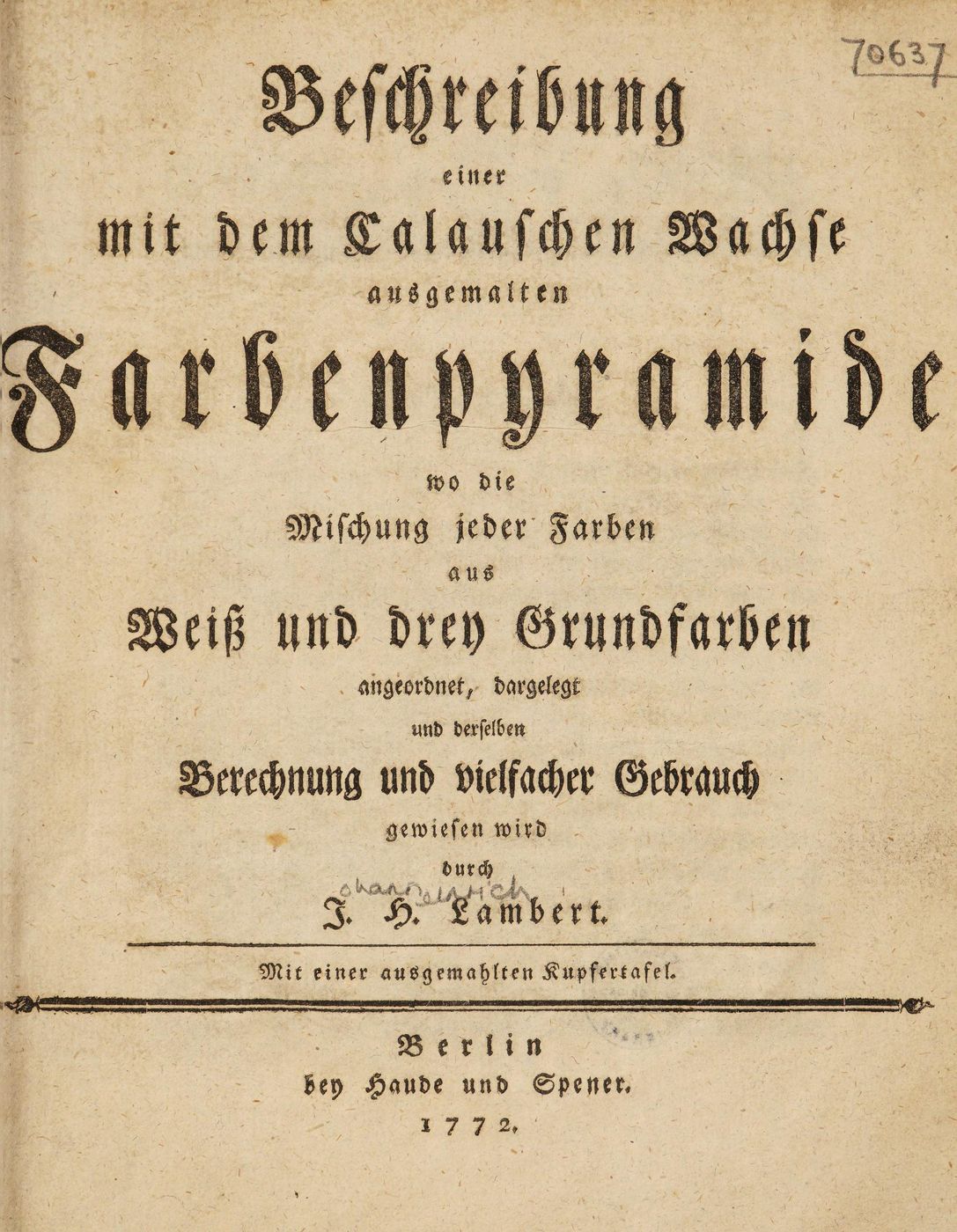 1772
Lambert’s Color Pyramid (1772)
A pyramid of 108 painted colors, mixed by weight from carmine, gamboge and Berlin blue, offered to merchants, buyers, dyers and painters.
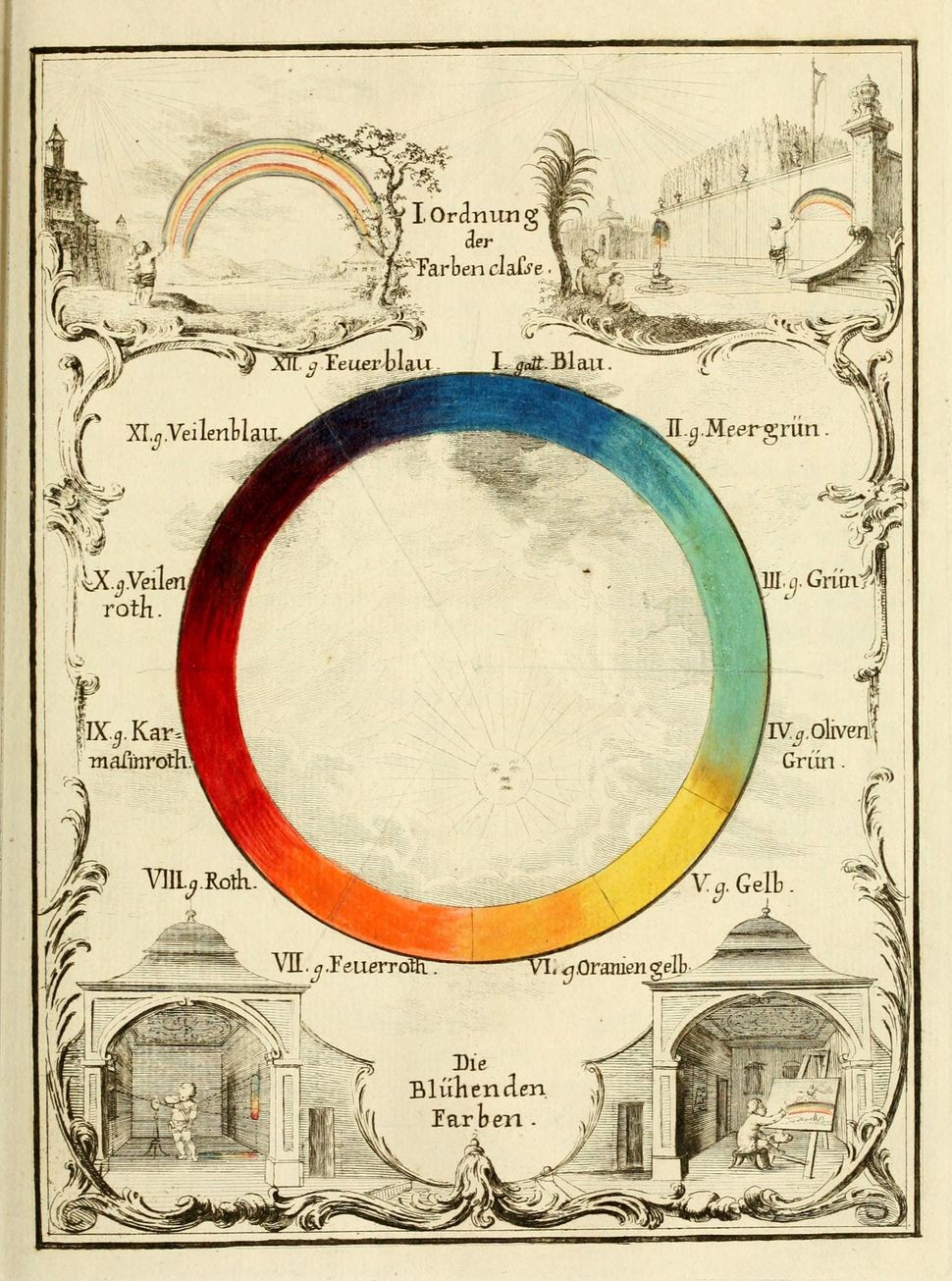 1772
Schiffermüller’s Versuch eines Farbensystems (1772)
A Viennese entomologist’s color circle and his table of thirty-six blues, each named in German, Latin and French.
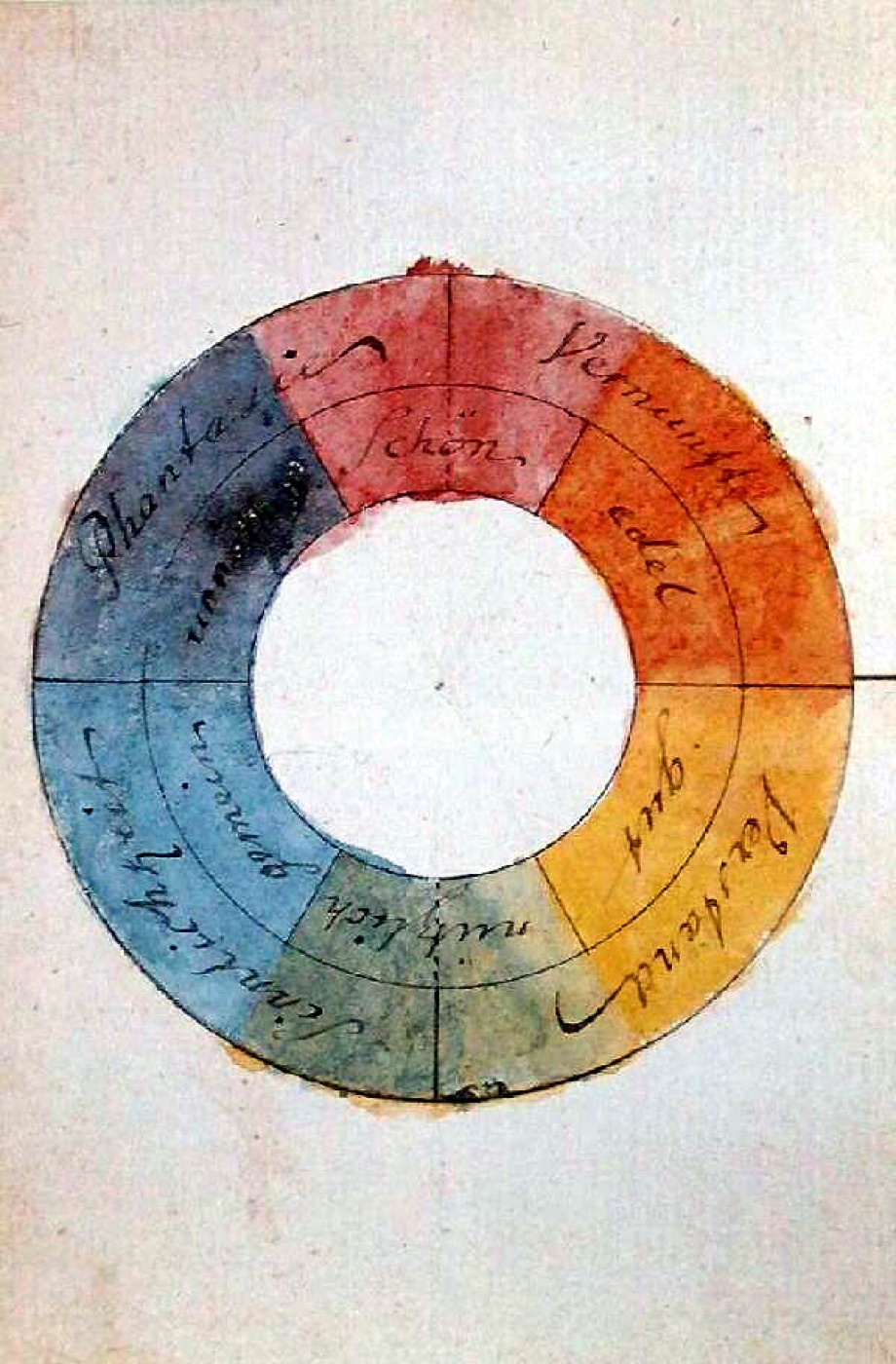 1810
Goethe, Zur Farbenlehre (1810)
The poet’s long study of color as it is seen, written against Newton’s optics, with a color circle of his own.
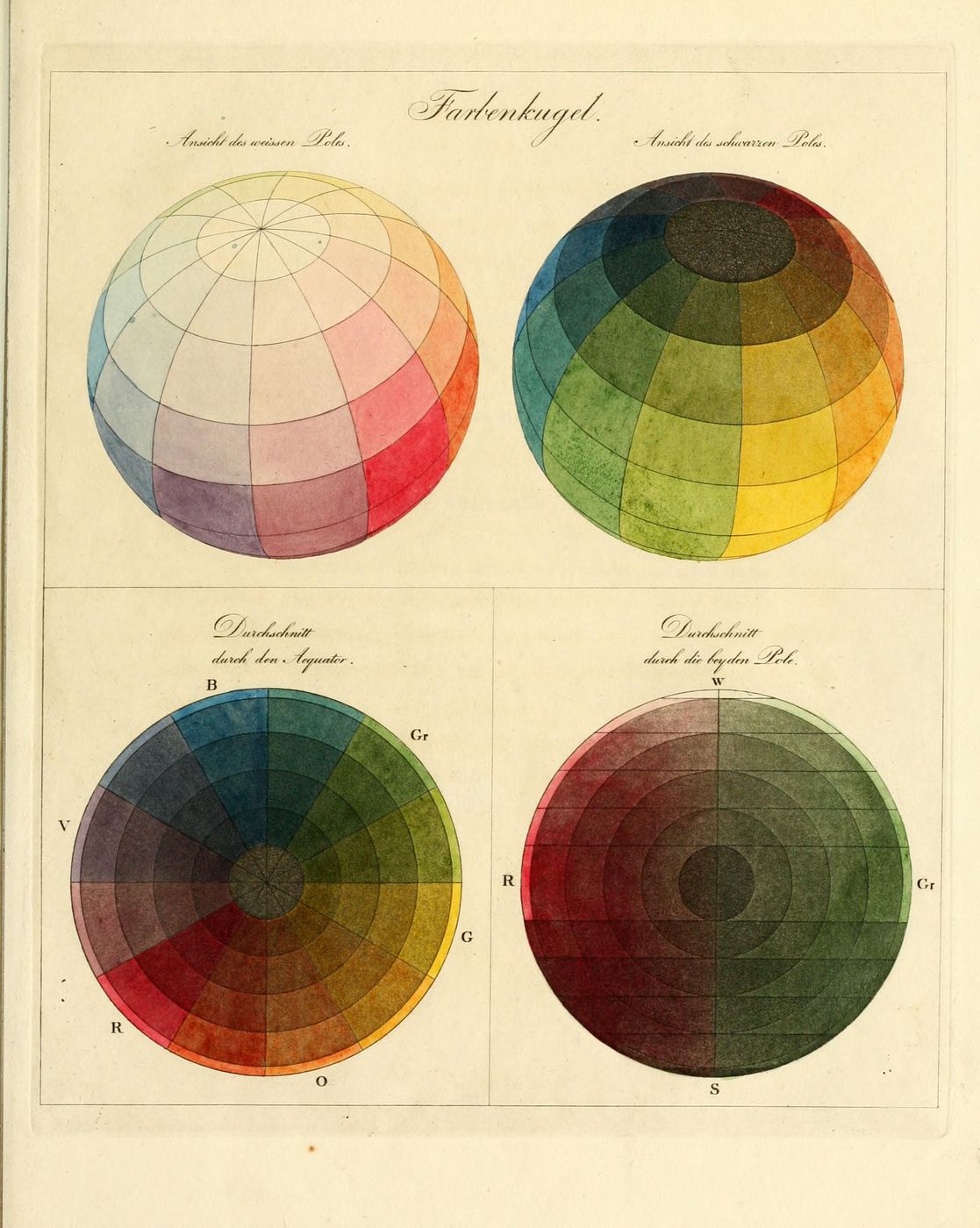 1810
Runge’s Farben-Kugel (1810)
A painter’s color sphere, with white and black at the poles and the pure colors around the equator, published with an essay by the mineralogist Henrik Steffens.
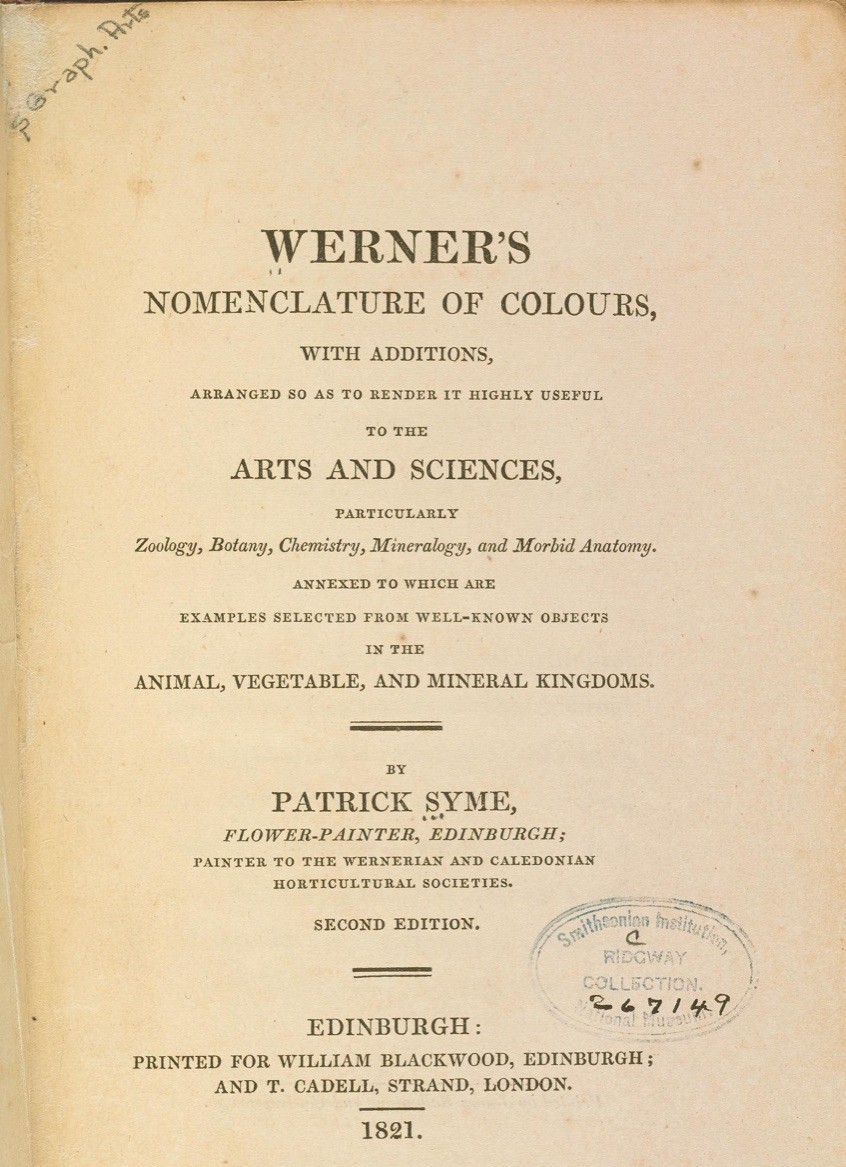 1814
Werner’s Nomenclature of Colours (1814, 1821)
The color vocabulary of the mineralogists, in which every named color is matched to an animal, a plant and a mineral.
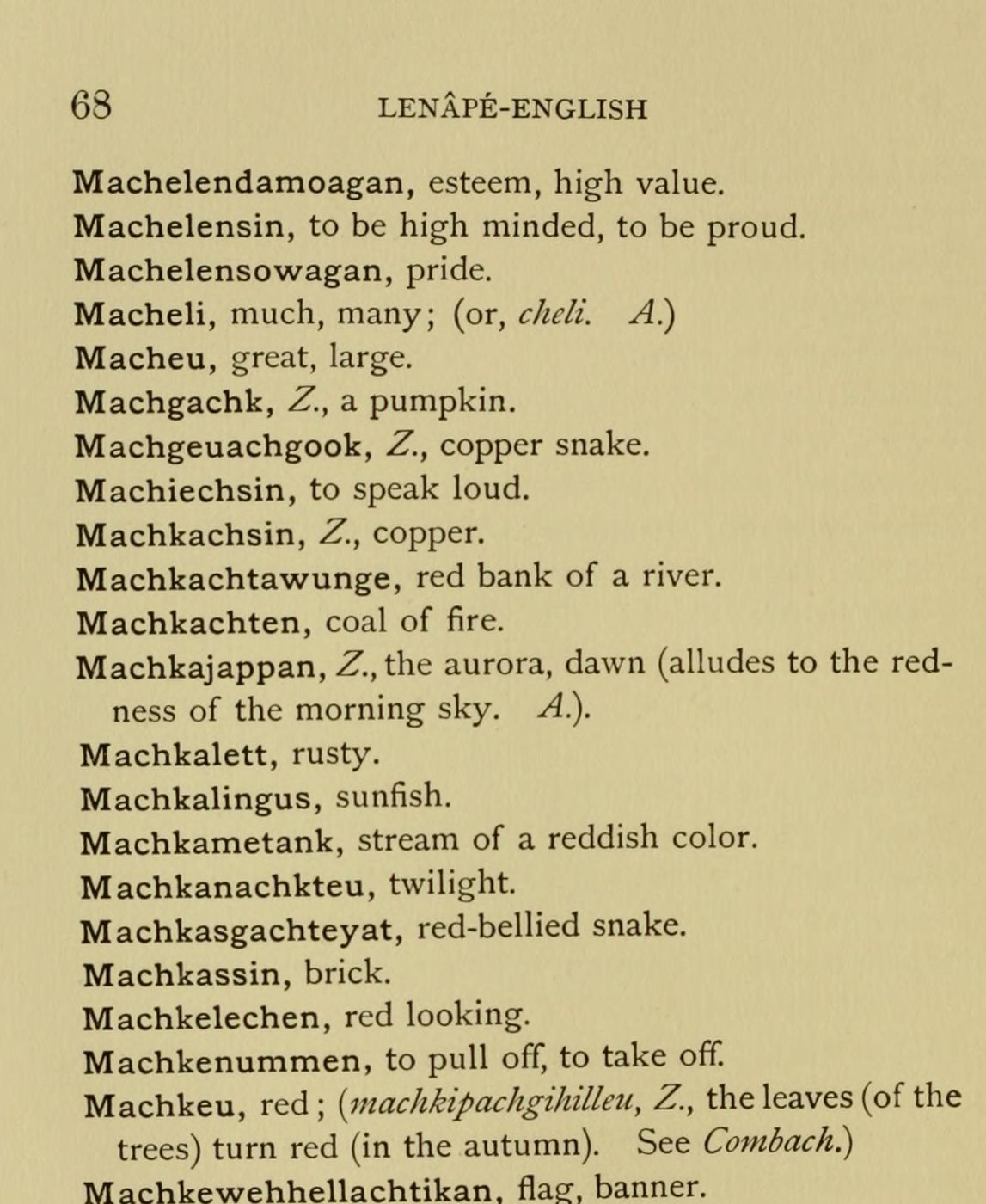 1819
Color, paint and mineral among the Lenape
The color words of the Lenape (Delaware), the stones and metals they name by color, the red paint of their ceremonies, and the minerals of the Franklin district that answer to them.
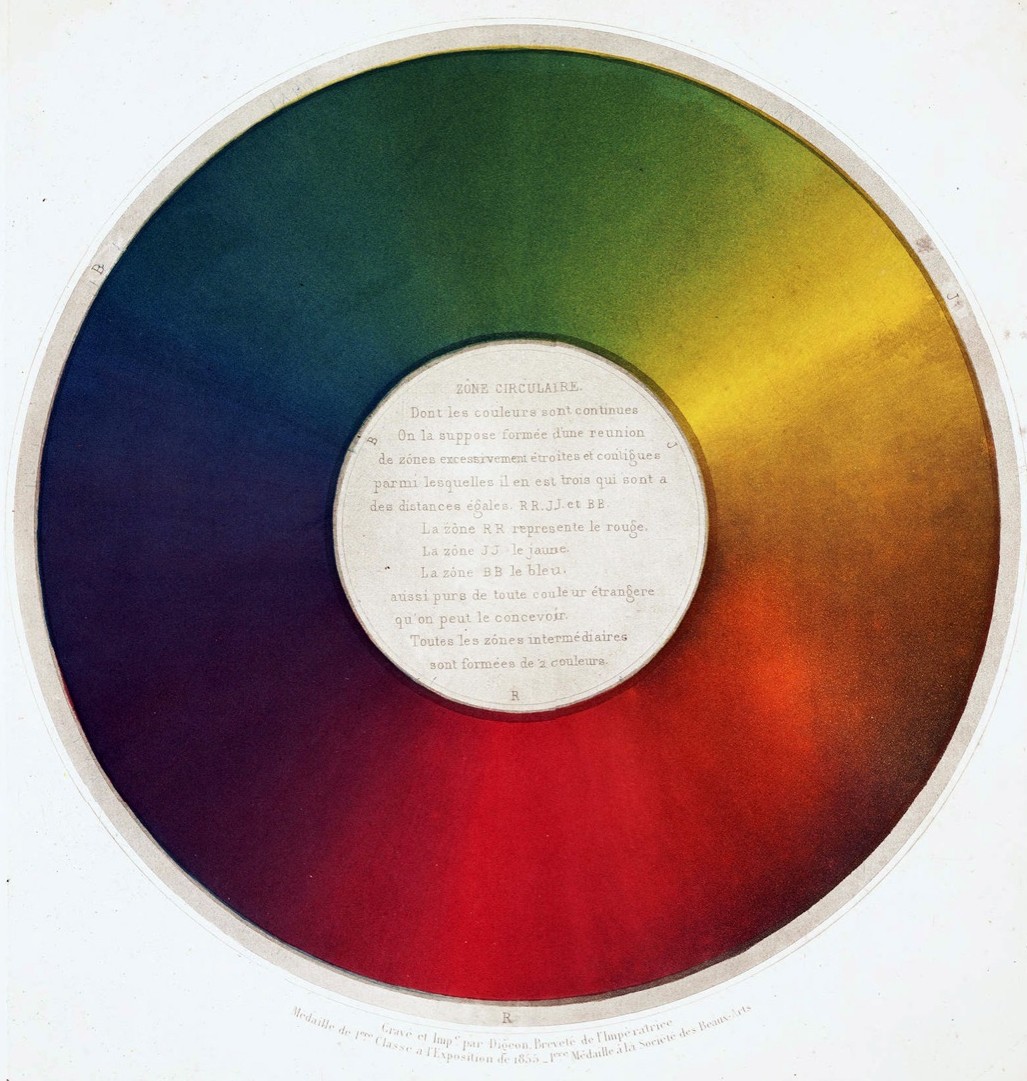 1839
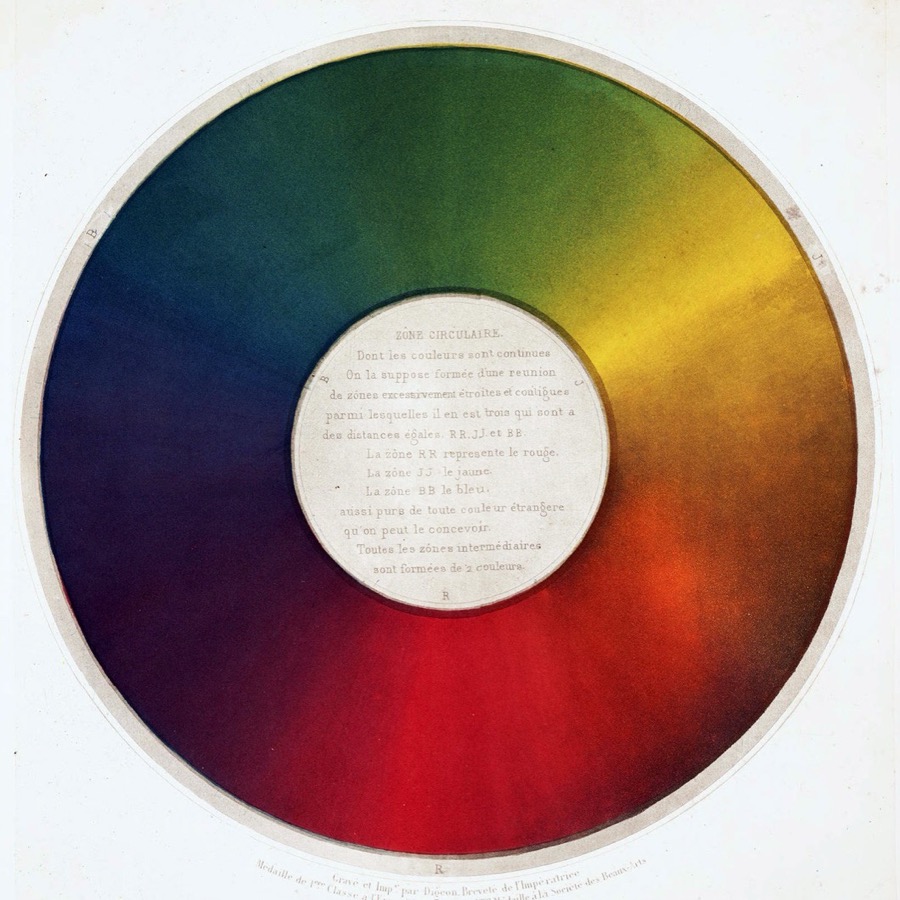
Chevreul: simultaneous contrast (1839) and the chromatic circles (1861)
A chemist at the Gobelins tapestry works explains why colors change beside one another, and then maps the colors on a set of circles.
 1900
Pigments from minerals: the Forbes collection at Harvard
The minerals that painters ground into color, as preserved in Harvard’s Forbes Pigment Collection, including zinc whites made by the New Jersey Zinc Company.
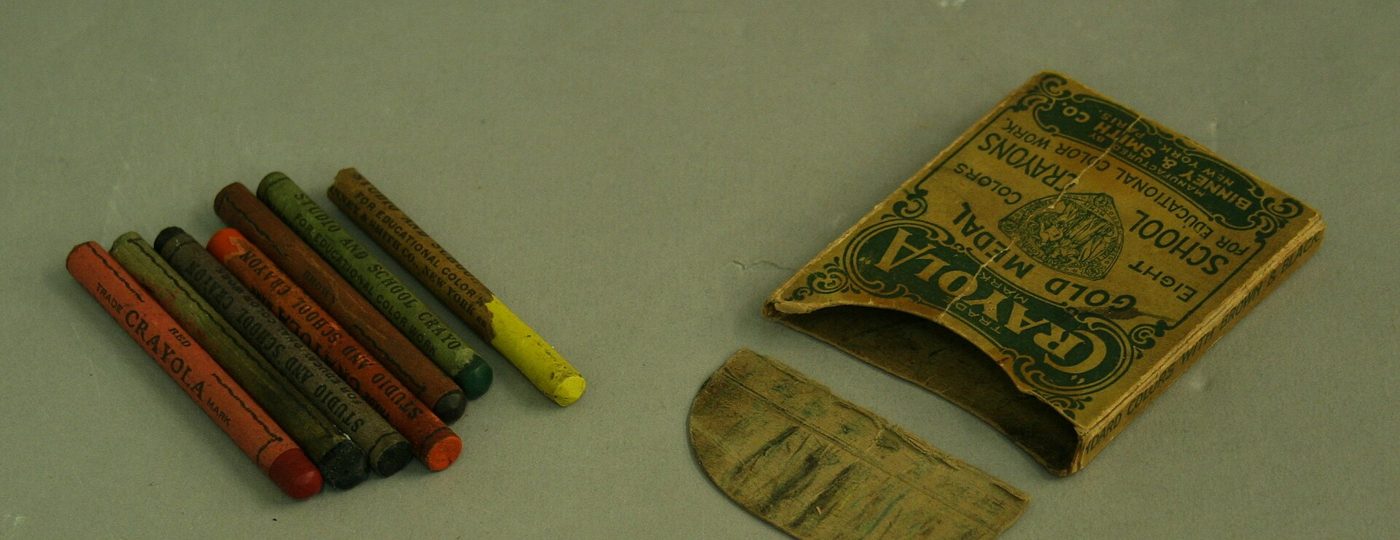 1903
Crayola: a color vocabulary for children (1903 to today)
How a box of eight school crayons became the most widely shared set of color names in America, and how those names have been changed.
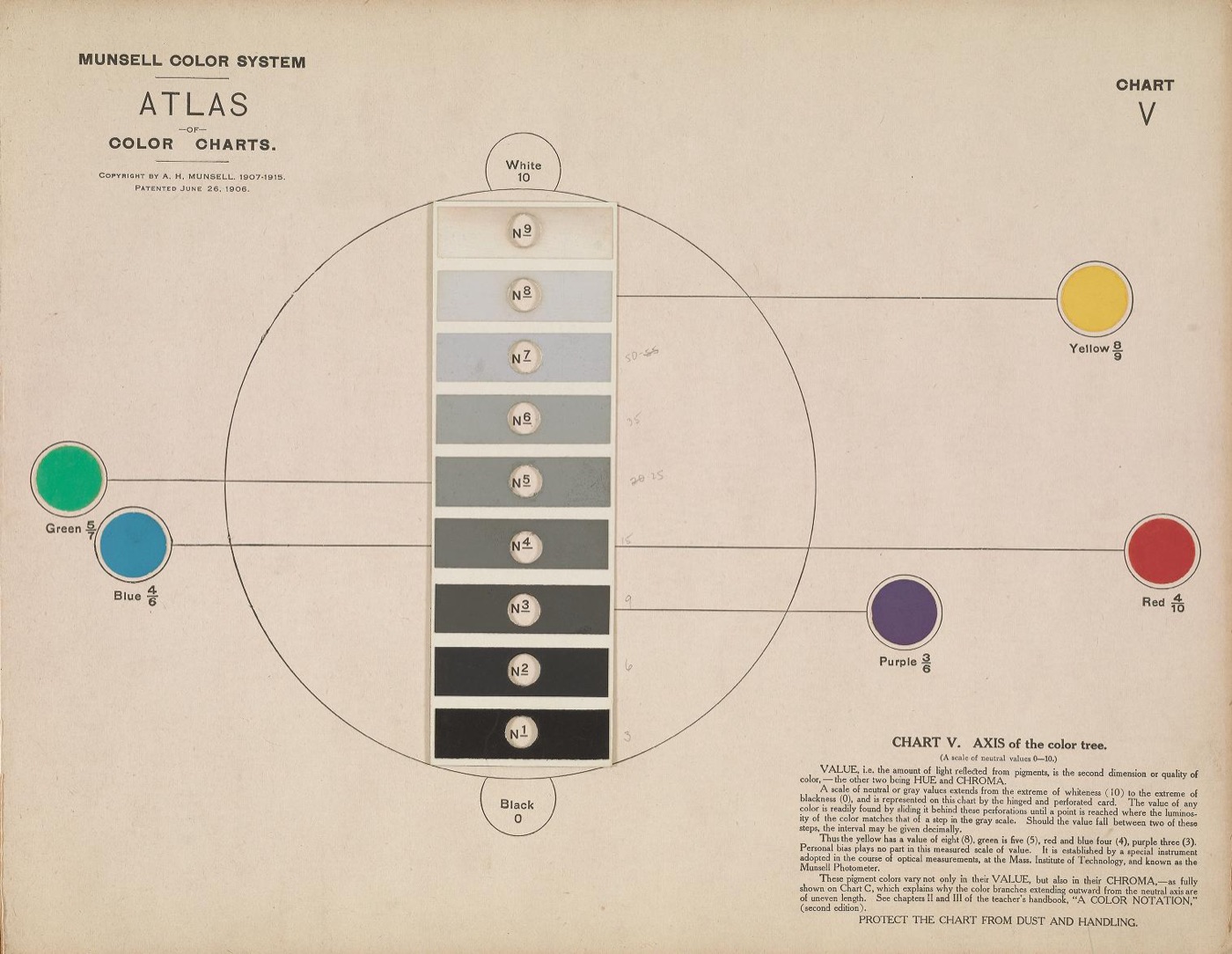 1905
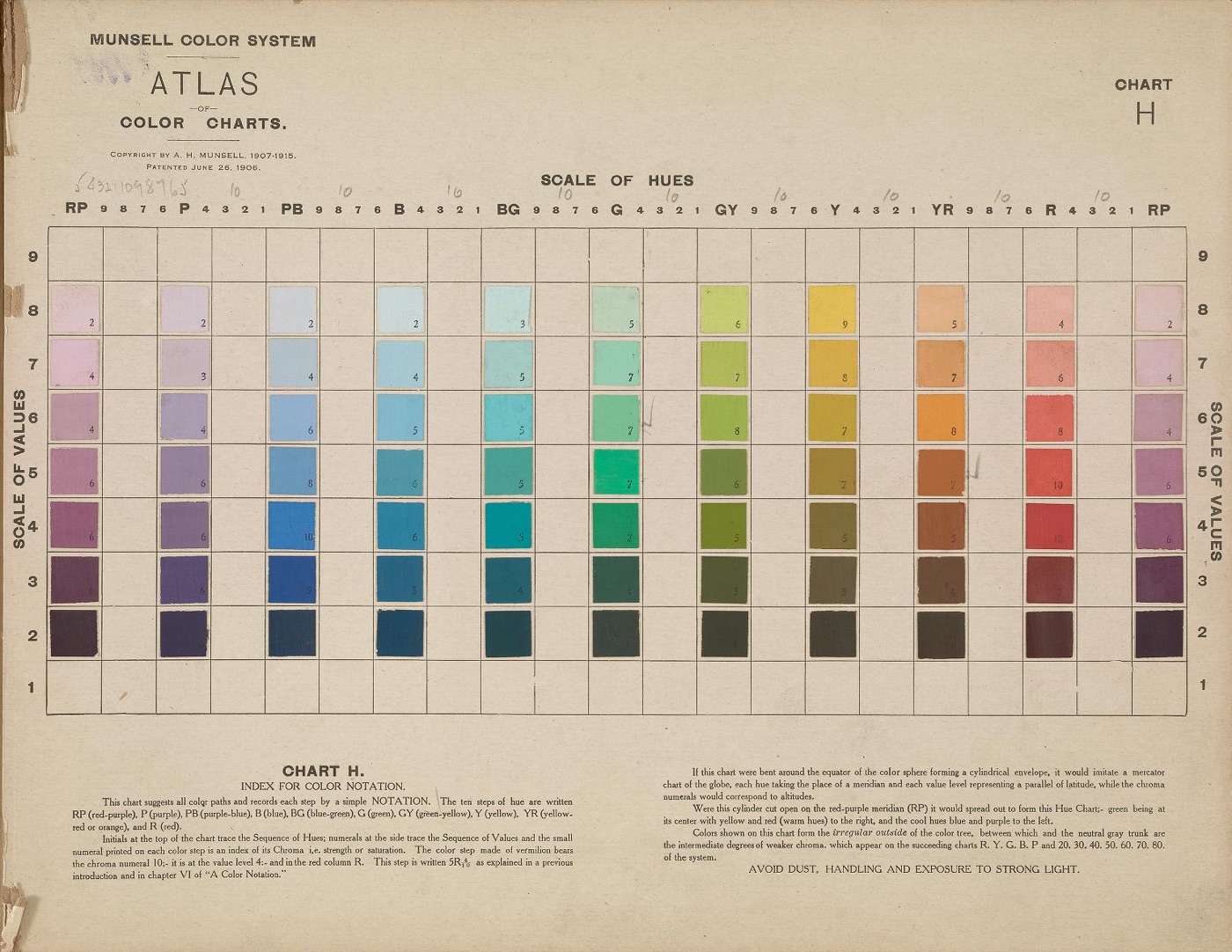
Munsell: A Color Notation (1905) and the Atlas (1915)
A painter’s system that describes every color by three numbers, hue, value and chroma, and became a world standard.
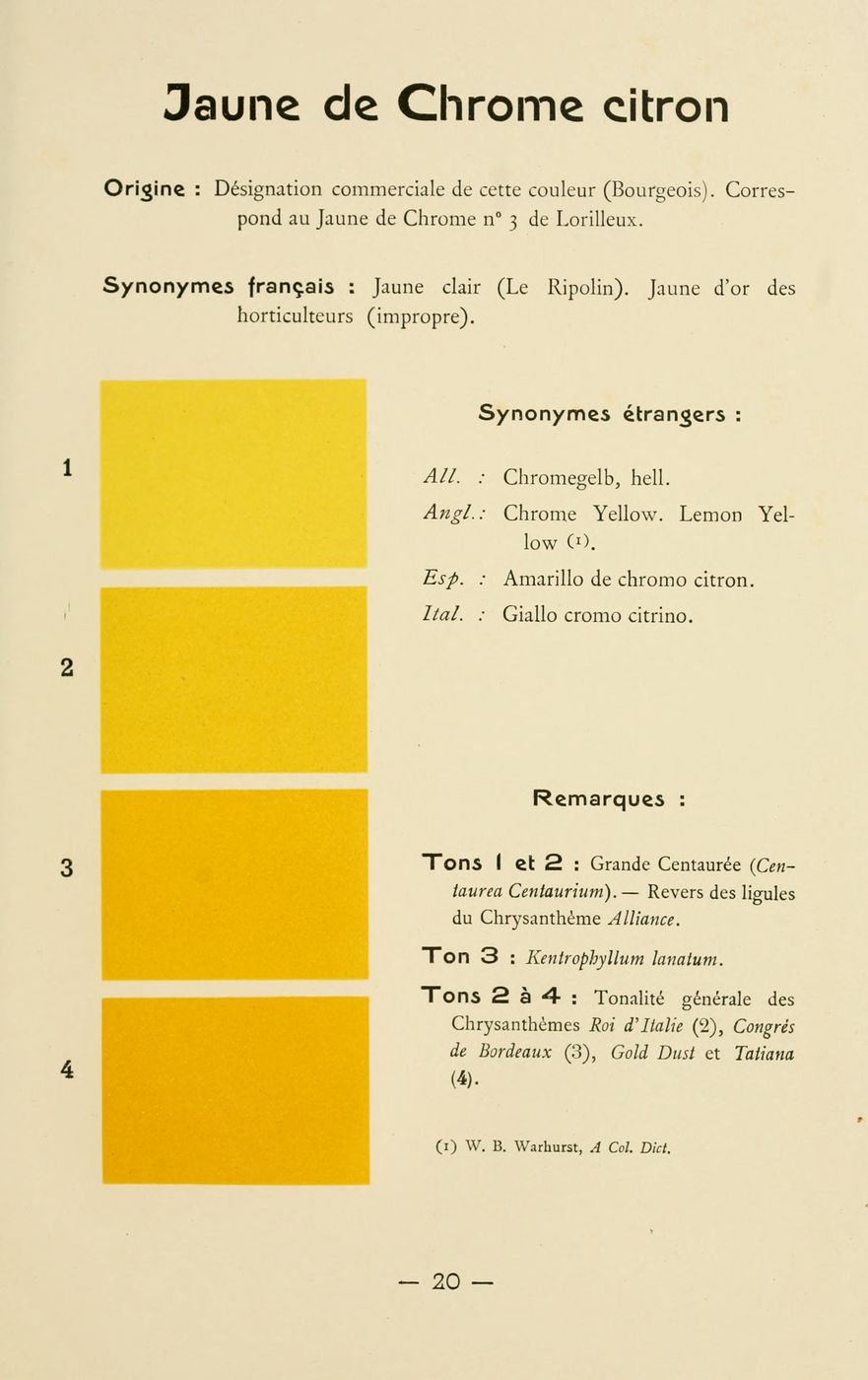 1905
Répertoire de couleurs (1905)
A two-volume atlas of 365 color plates made for the chrysanthemum growers of France, each color named in five languages.
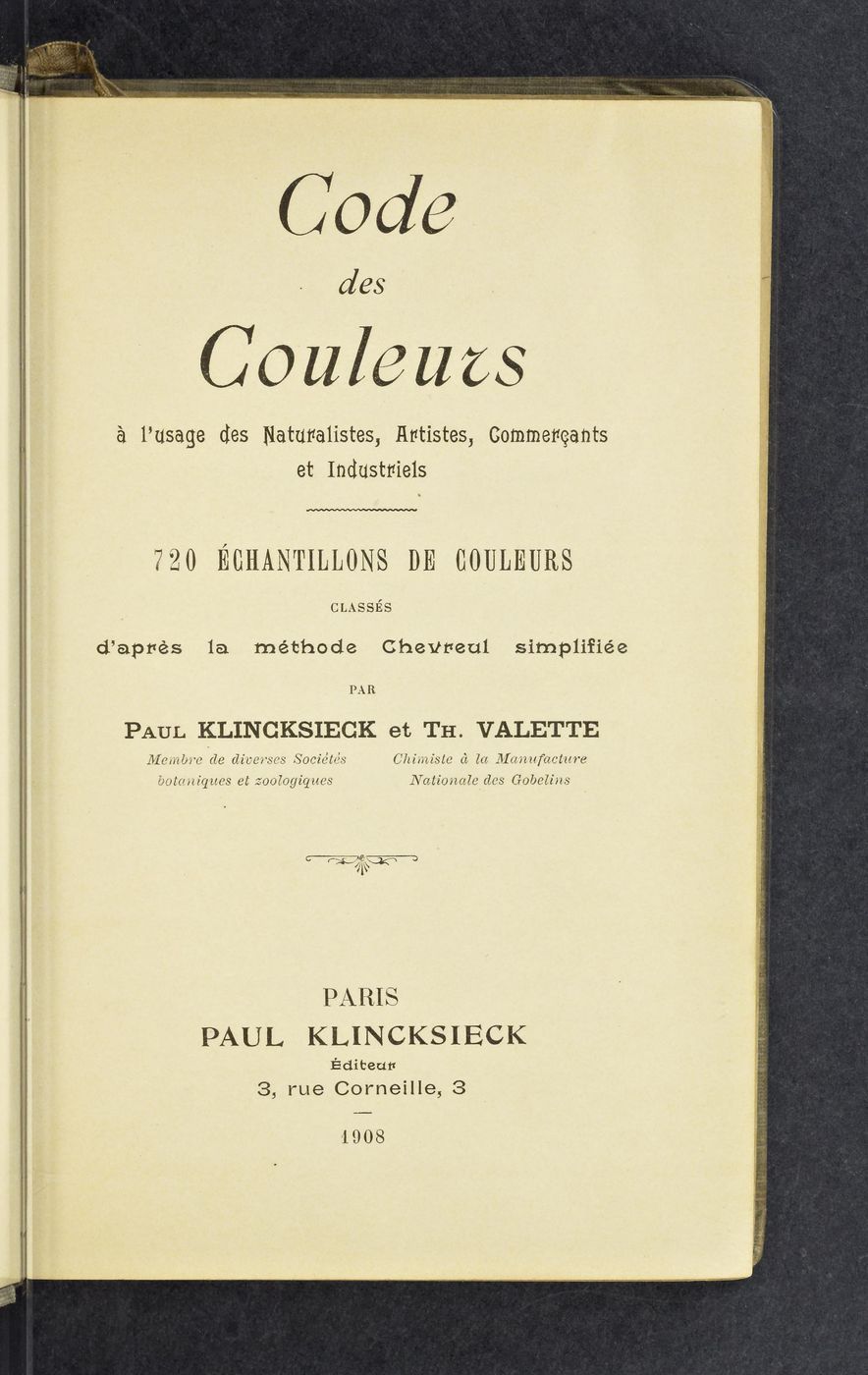 1908
Klincksieck and Valette’s Code des couleurs (1908)
A pocket book of 720 numbered color samples, made because mycologists could not agree on the names of the colors of mushrooms.
 1909
Photographing color: Mees, Wratten and Kodak (1909–1928)
How the photographic industry learned to record colored objects truthfully, with filters, plates and measured light.
 1912
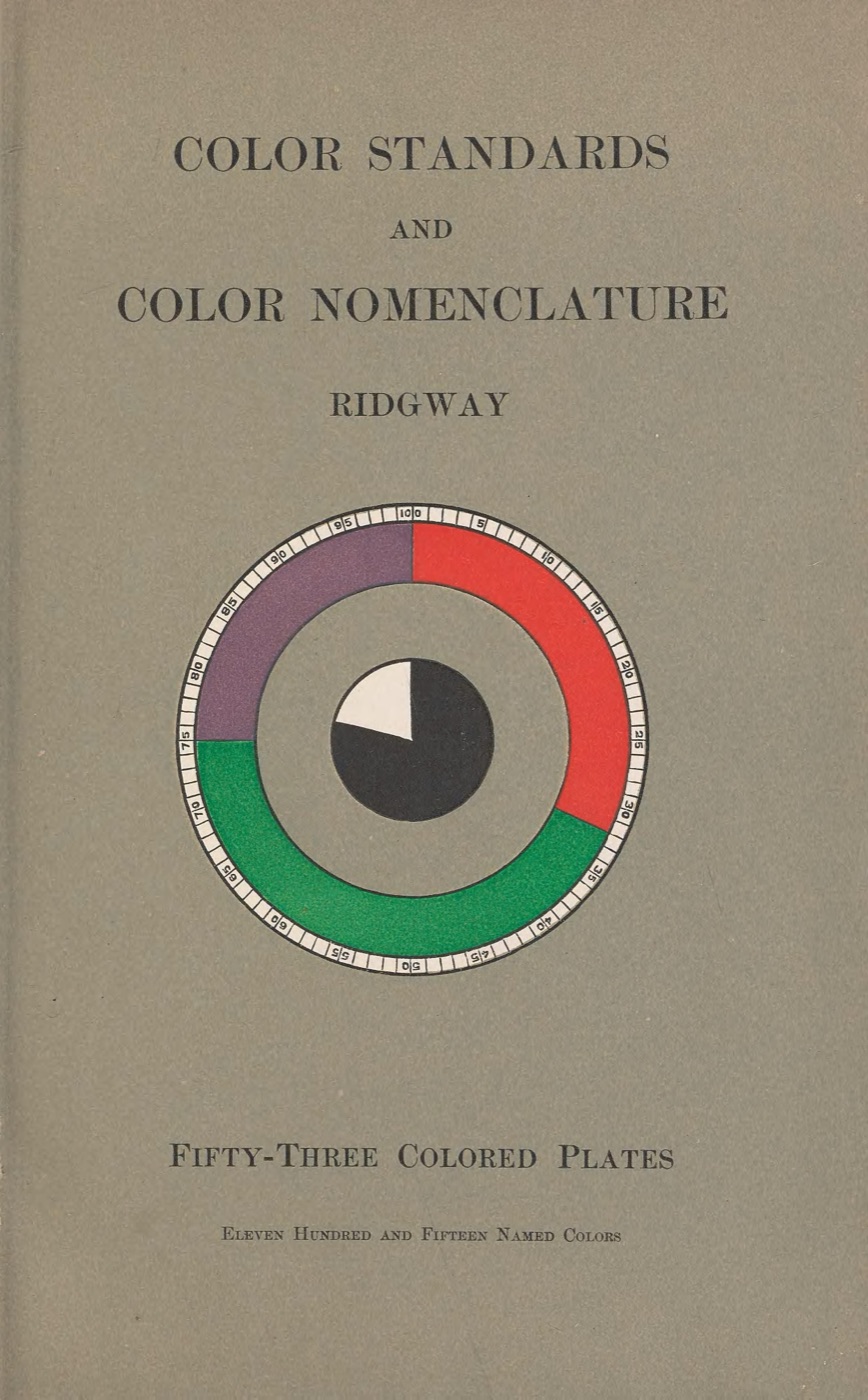
Ridgway’s Color Standards and Color Nomenclature (1912)
An ornithologist’s atlas of 1,115 named colors on fifty-three plates, made so that naturalists could name a color the same way.
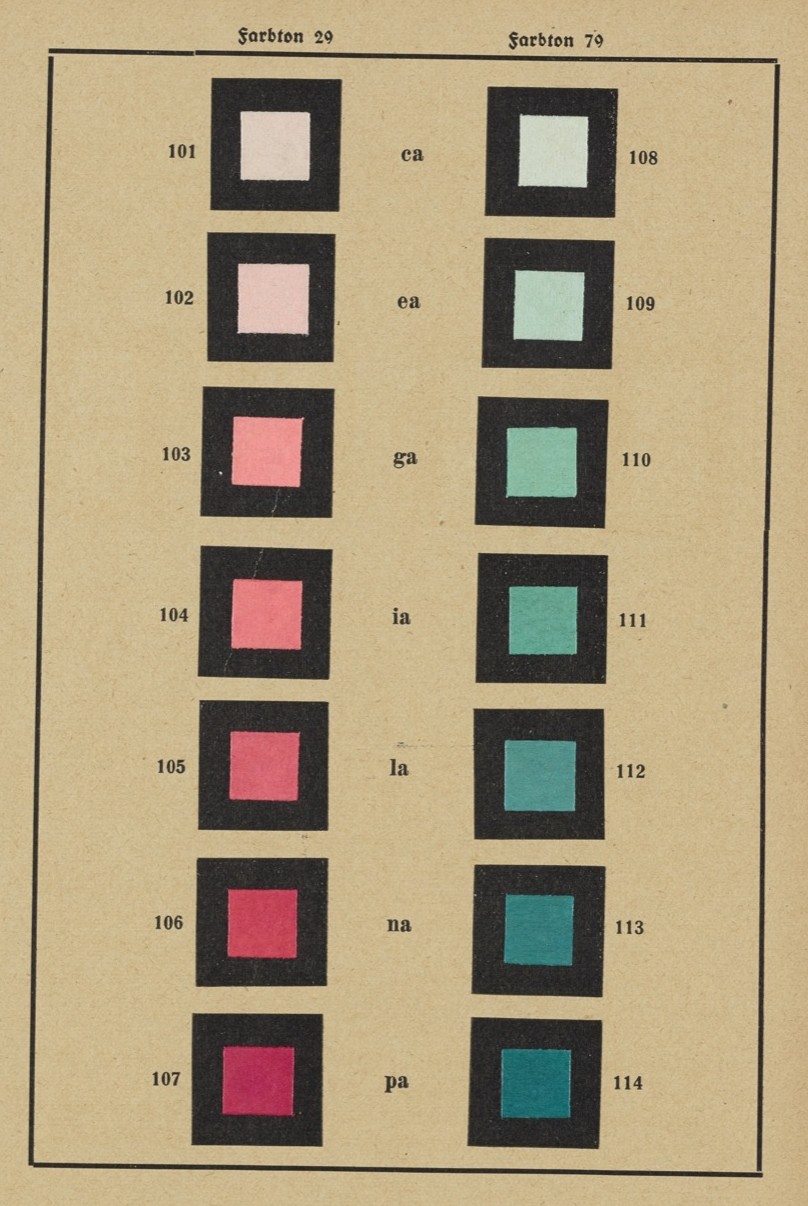 1916
Ostwald’s Farbenfibel (1916/17)
A Nobel chemist’s primer of color, in which every color is described by its hue and its content of white and black.
 1927
RAL 840 (1927)
A German register of forty numbered paint colors for public contracts, which became the industrial color standard of Europe.
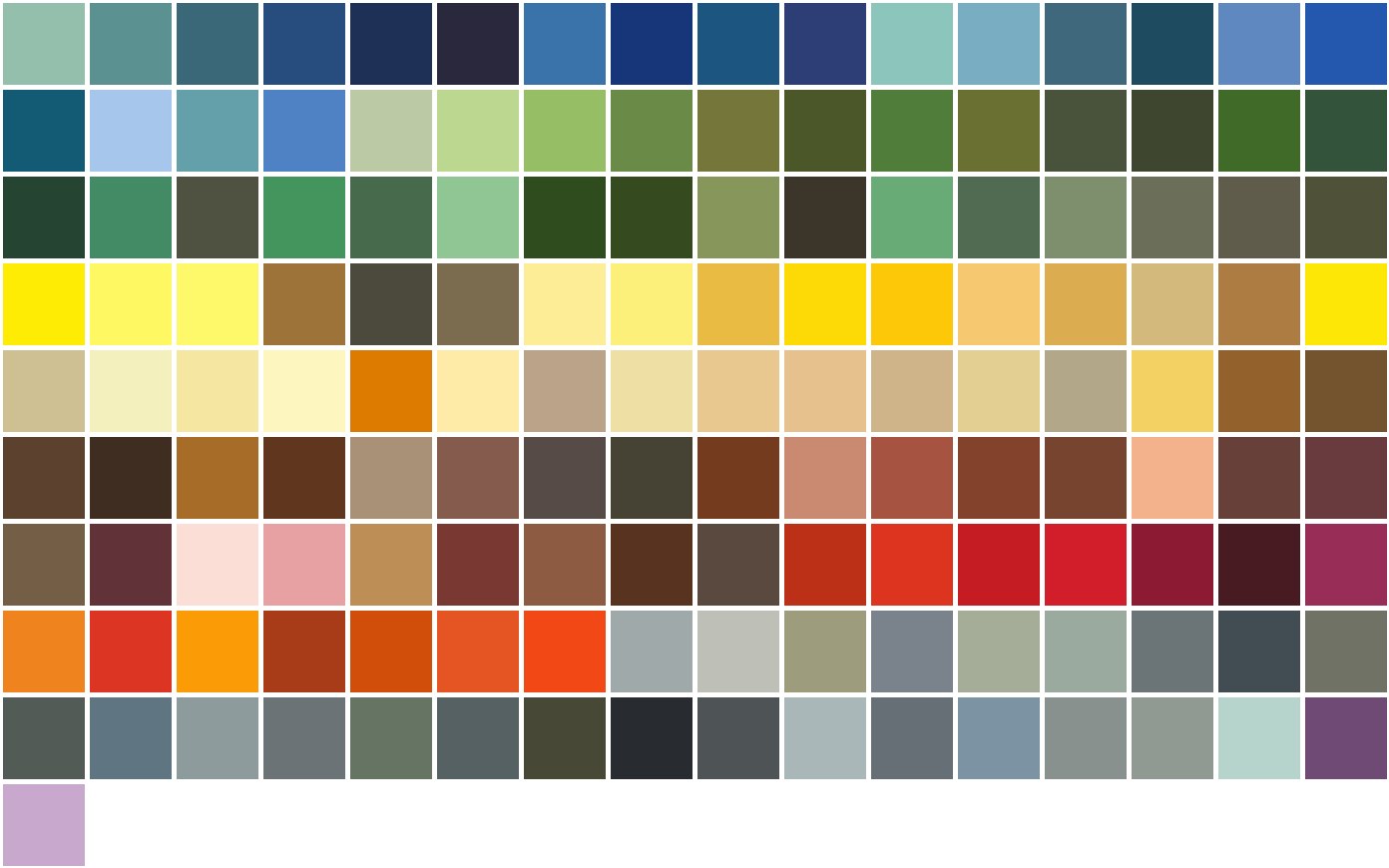 1930
British Standard 381C (from 1930)
The British Standards Institution’s numbered colors for identification, coding and special purposes.
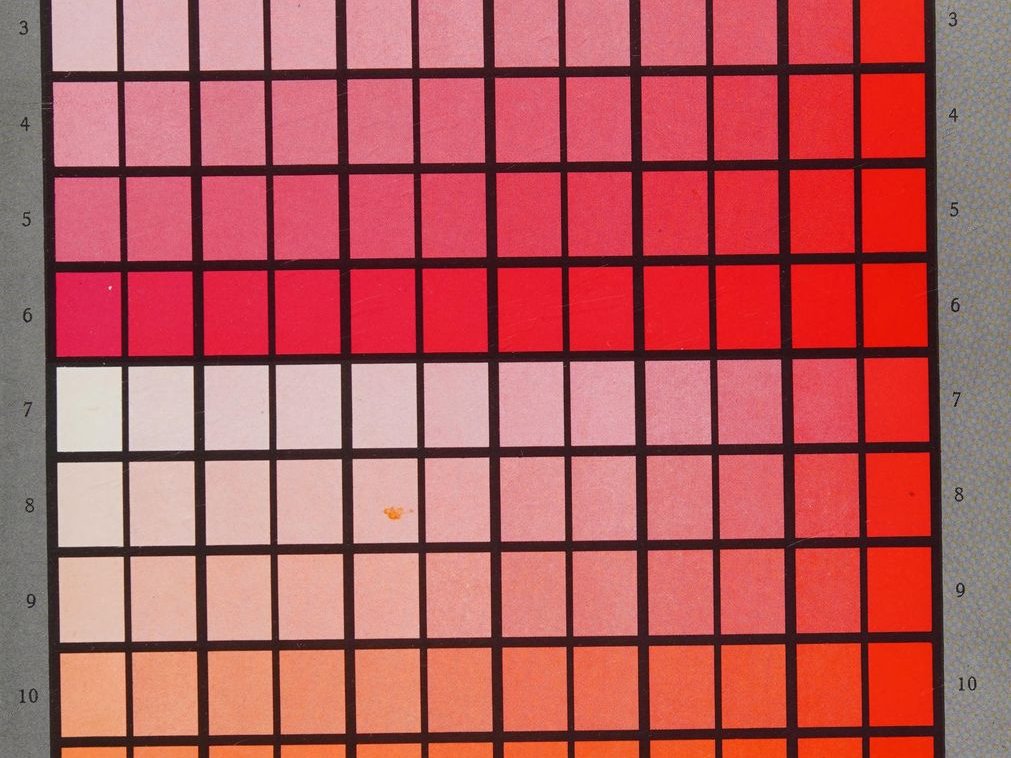 1930
Maerz and Paul’s A Dictionary of Color (1930)
Fifty-six plates of printed color, each a grid of 144 samples, with an index that refers the recorded English color names to a plate, column and row.
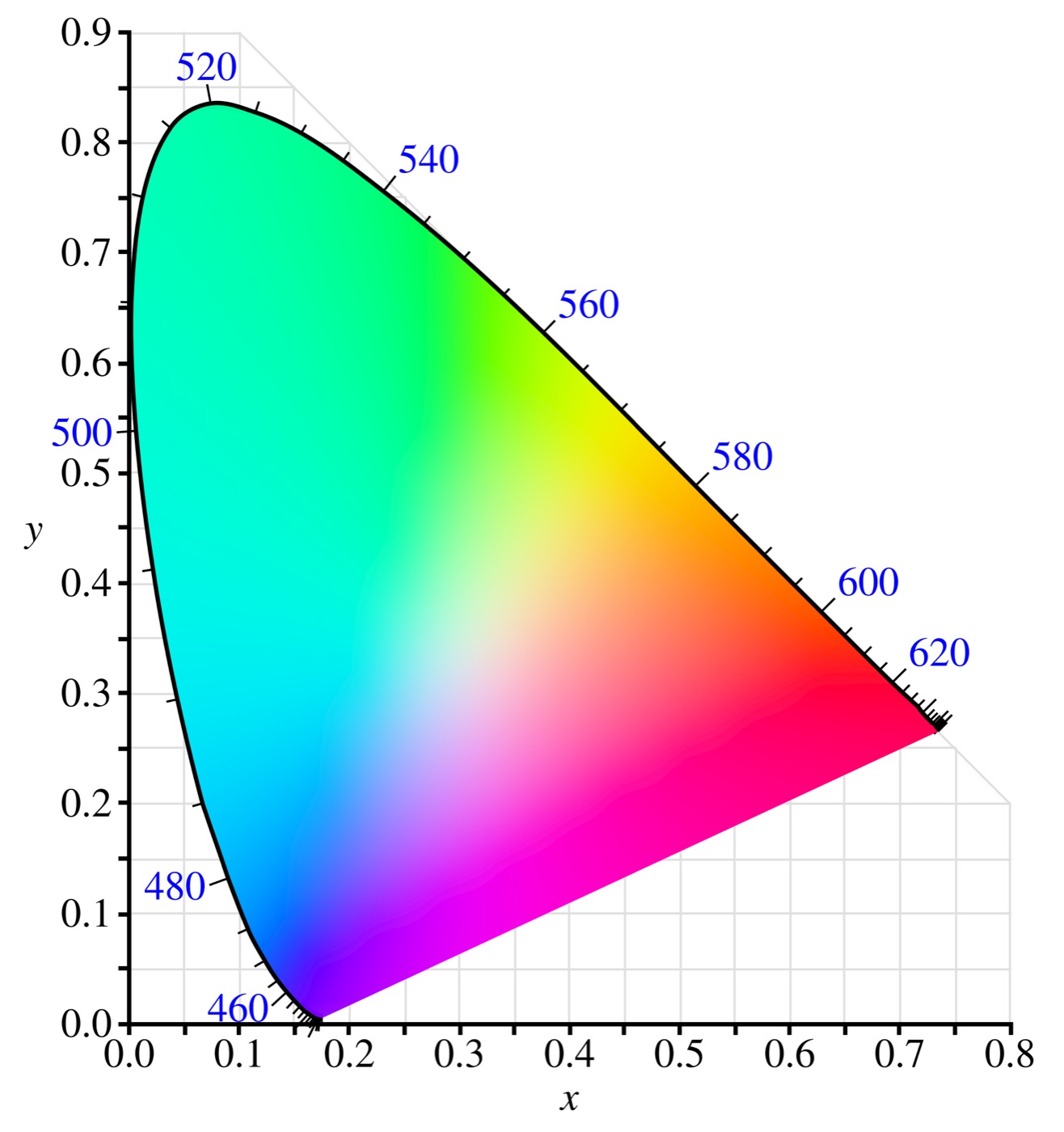 1931
The CIE system (1931) and CIELAB (1976)
The international standard that defines color by measurement of light and of the average human eye.
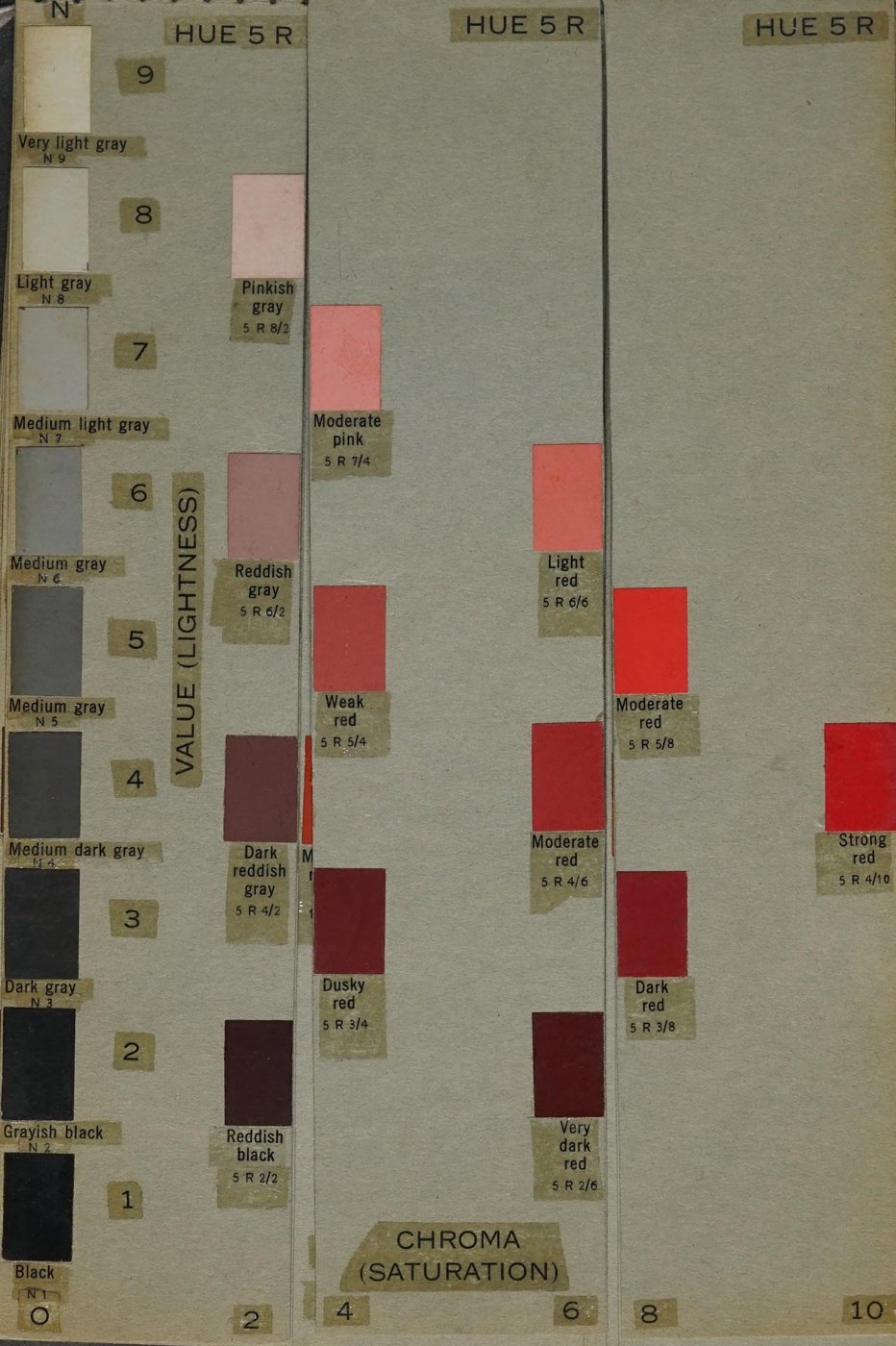 1947
The Rock-Color Chart (1947 draft to today)
A geologists’ standard built on Munsell, so that a rock’s color can be written as a code that another geologist can read: from the hand-mounted chips of the 1947 draft to today’s Munsell Rock Color Book.
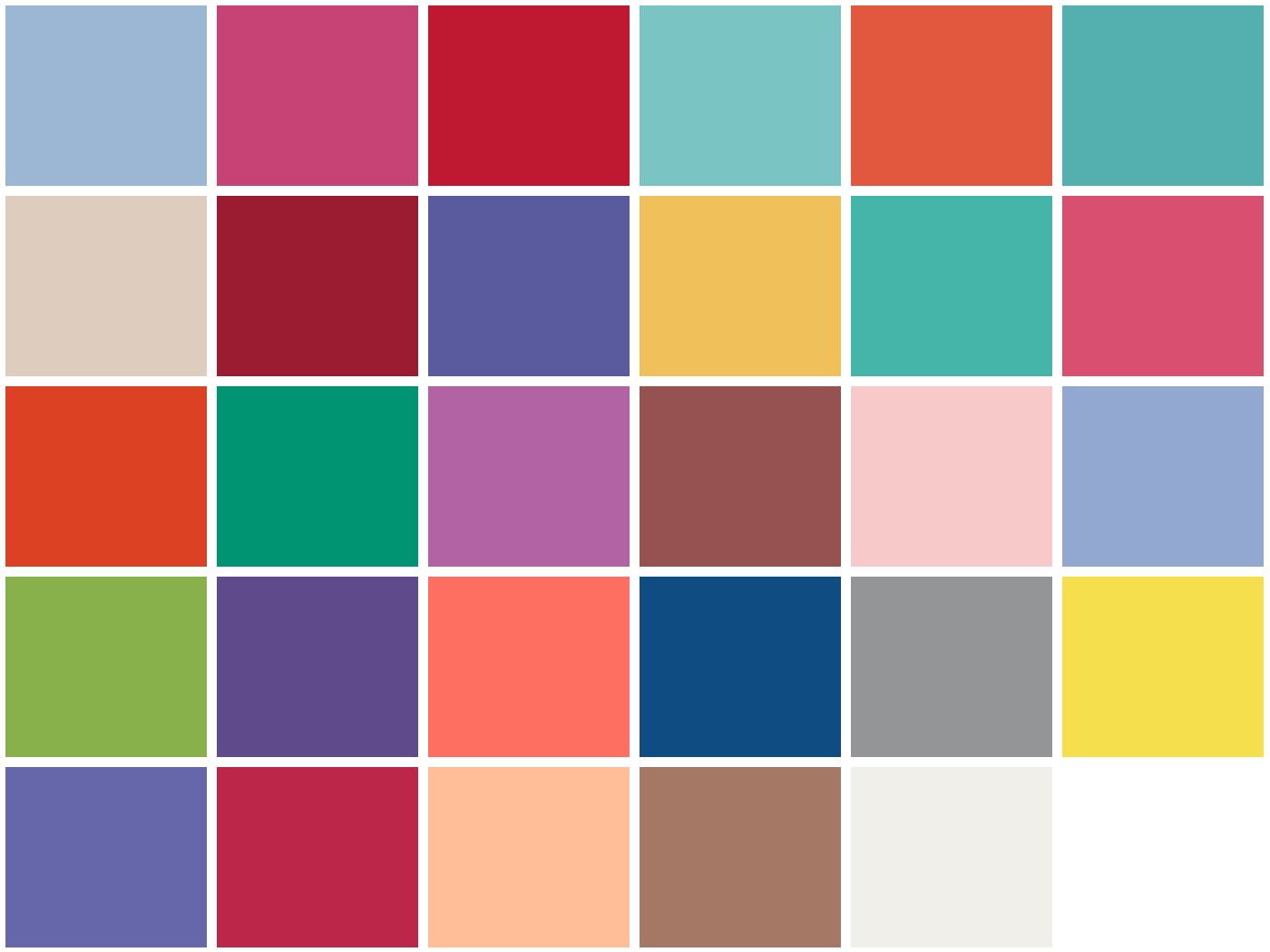 1963
The Pantone Matching System (1963)
A New Jersey printer’s book of numbered ink colors, mixed from a small set of base inks, that became a common reference of the printing trade.
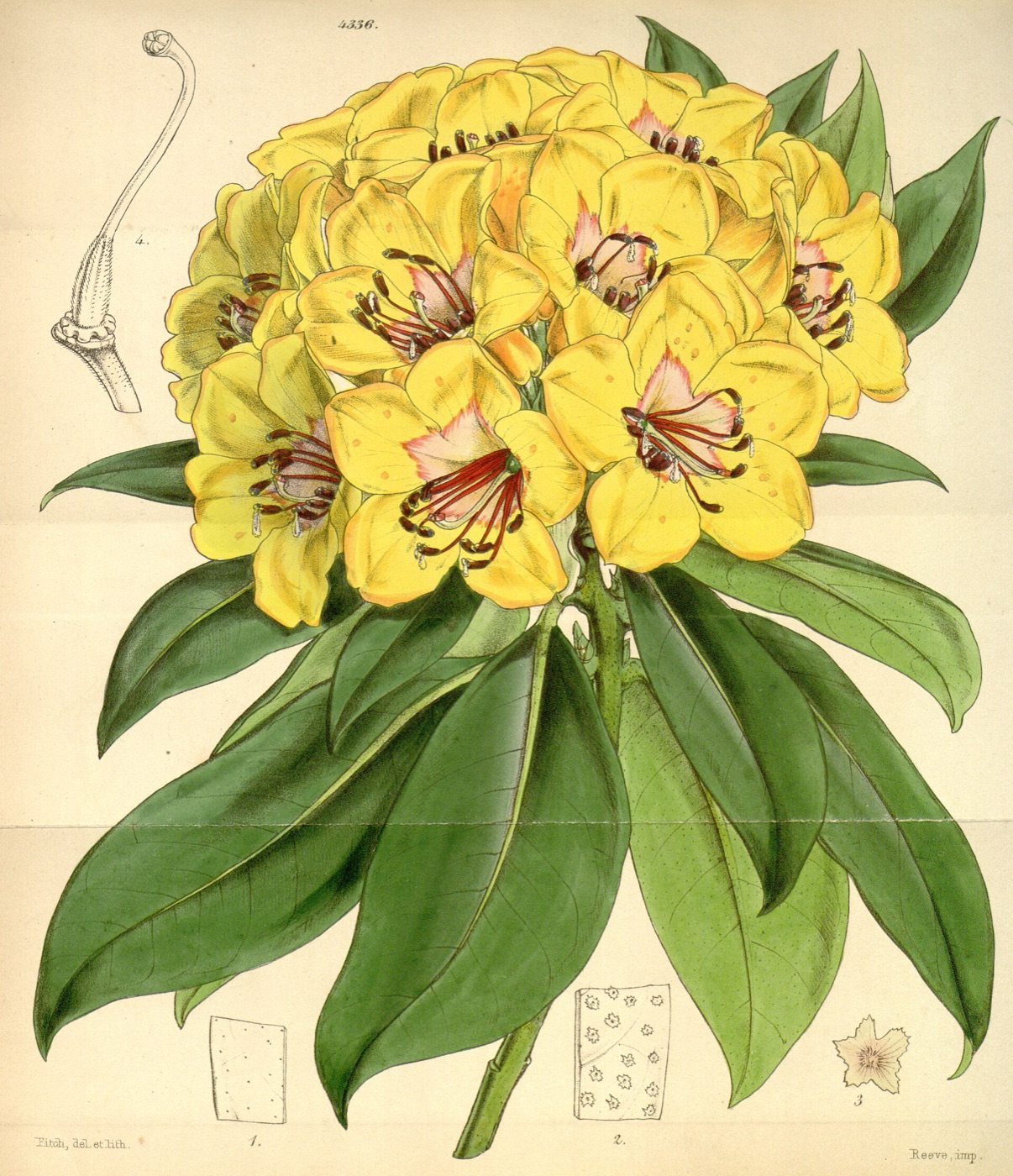 1966
The RHS Colour Chart (1966)
The Royal Horticultural Society’s fans of numbered color chips, used to record the colors of plants, and the chart of 1938–41 that preceded it.
 1969
Basic Color Terms (1969) and the World Color Survey
How anthropologists asked speakers of more than a hundred languages to name the same set of color chips.
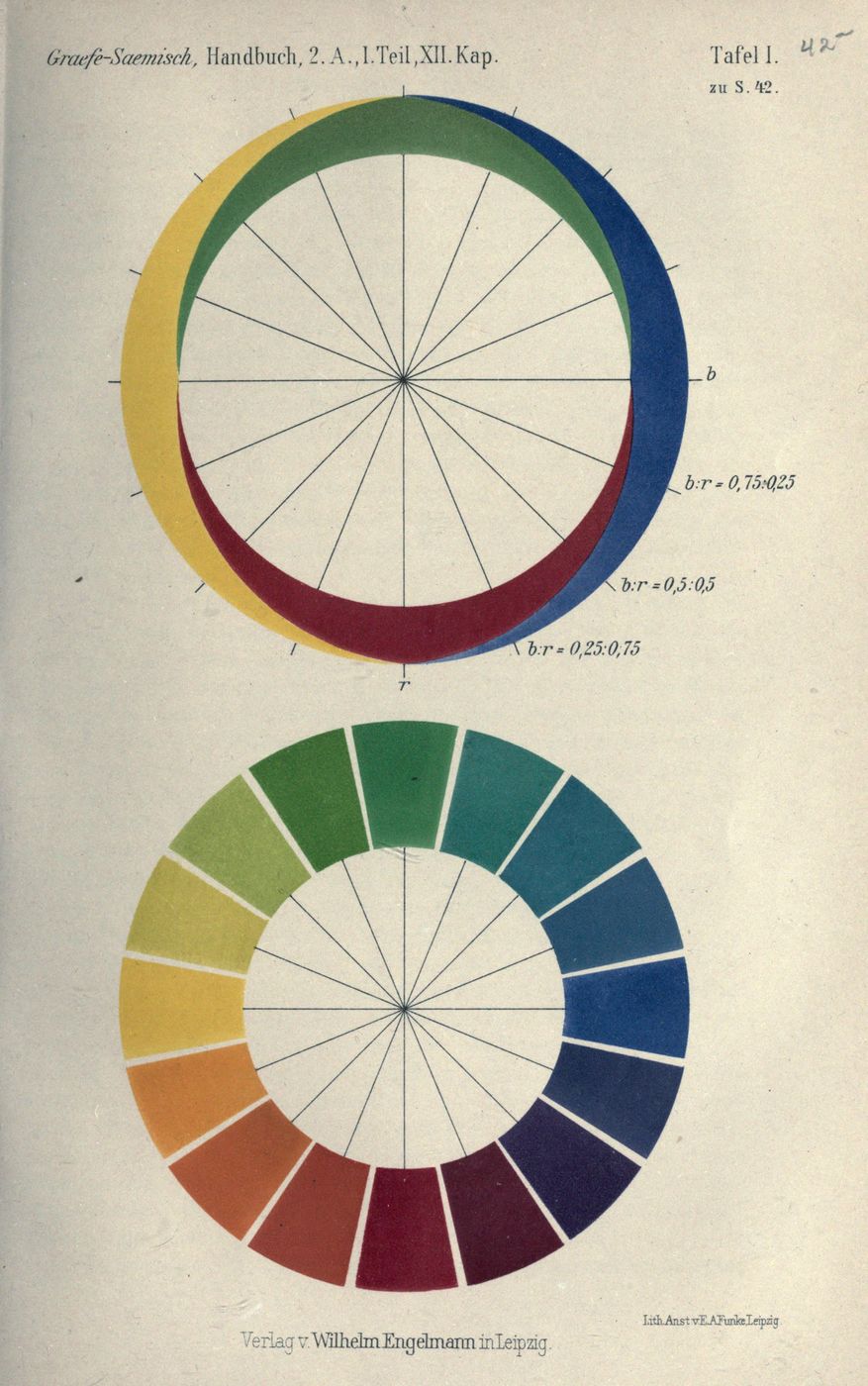 1979
The Natural Colour System (NCS, 1979)
A Swedish standard that describes every color by its resemblance to six elementary colors, after the opponent-color theory of Ewald Hering.
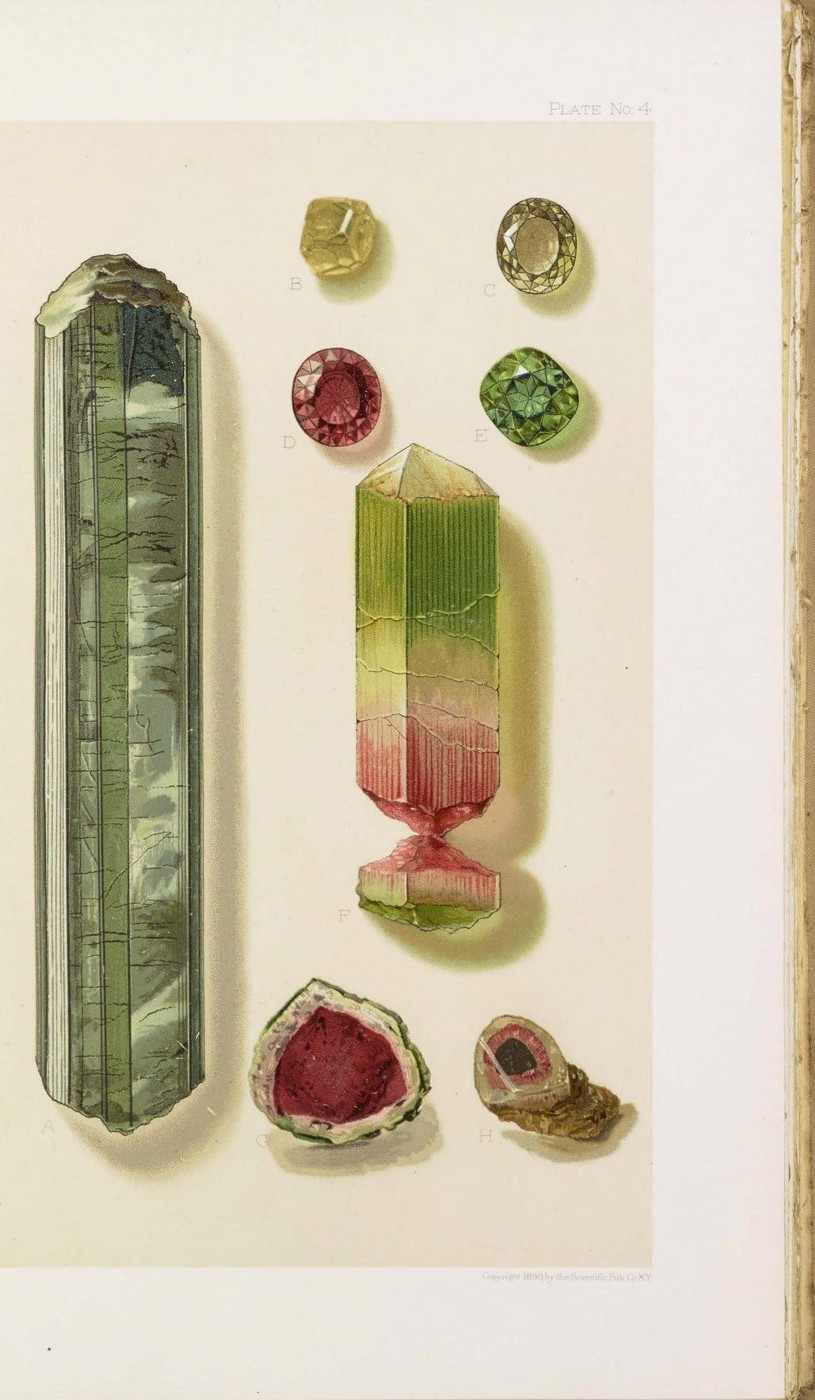 1994
GIA: hue, tone and saturation
How the Gemological Institute of America describes the color of gems, and how it describes fluorescence.
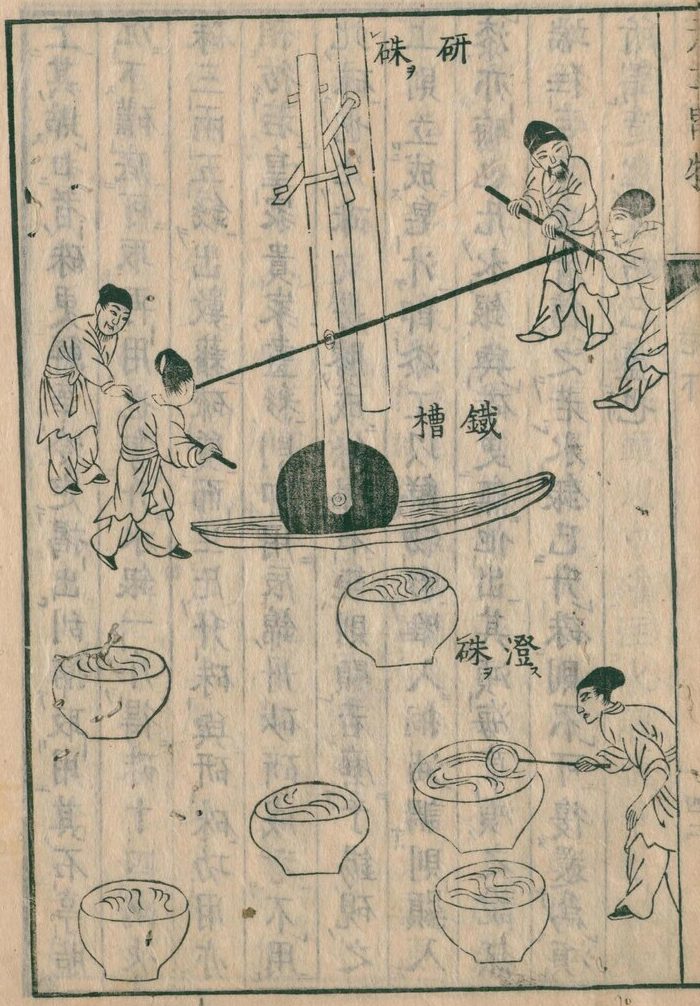 1995
Chinese color: the five colors and the Chinese Color System (1995)
The five orthodox colors of Chinese tradition, red from cinnabar, and the national color system of the 1990s.
Light, glow and seeing
Why many Franklin and Sterling Hill minerals glow under ultraviolet light and others do not, and what happens between the stone and the eye.
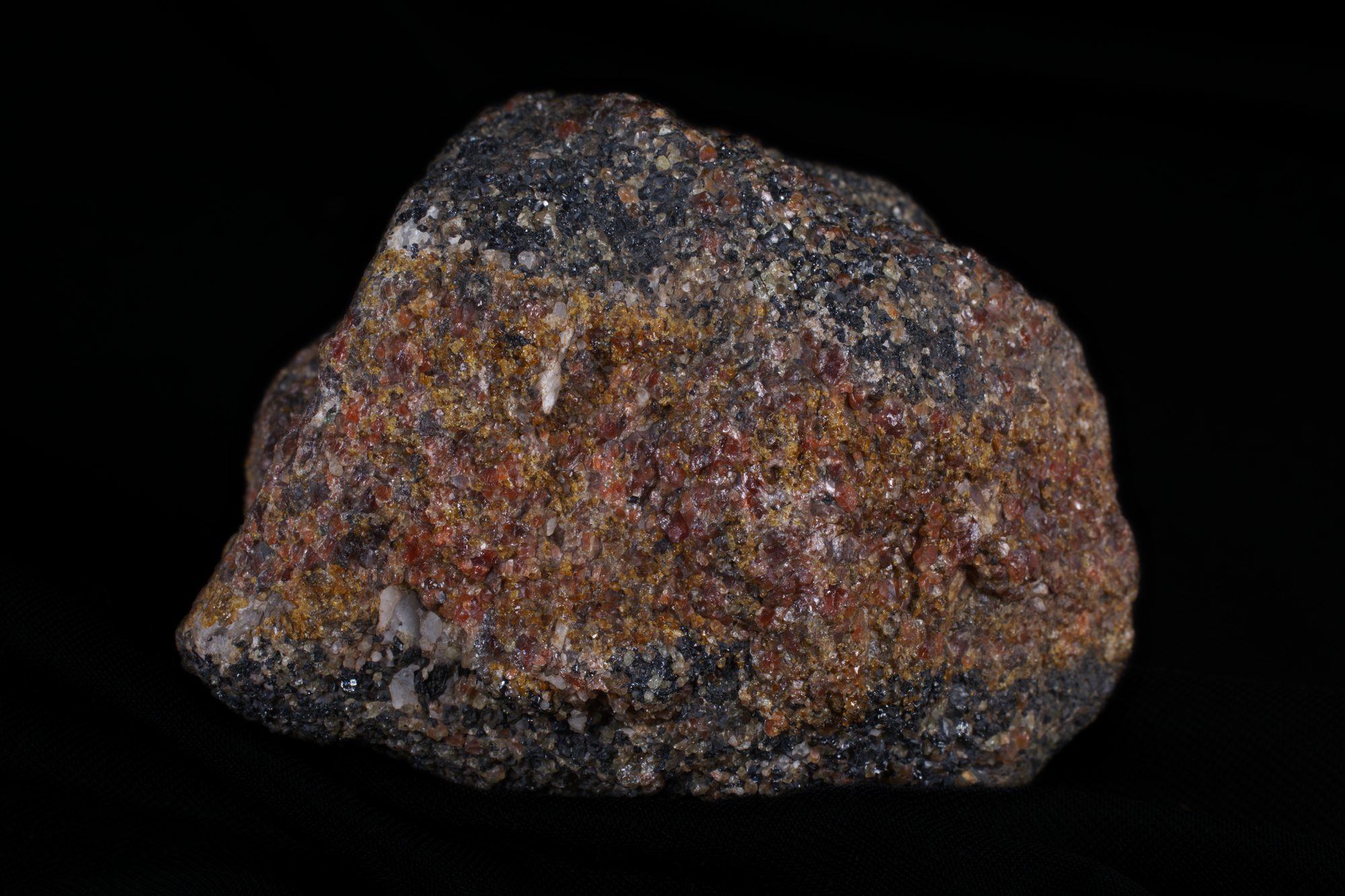
Green light: willemite’s glow in science and industry
The green fluorescence of Franklin willemite, and how it became a tool: in mill tailings, in radium experiments, in laboratory screens and in the synthetic phosphors modeled on it.
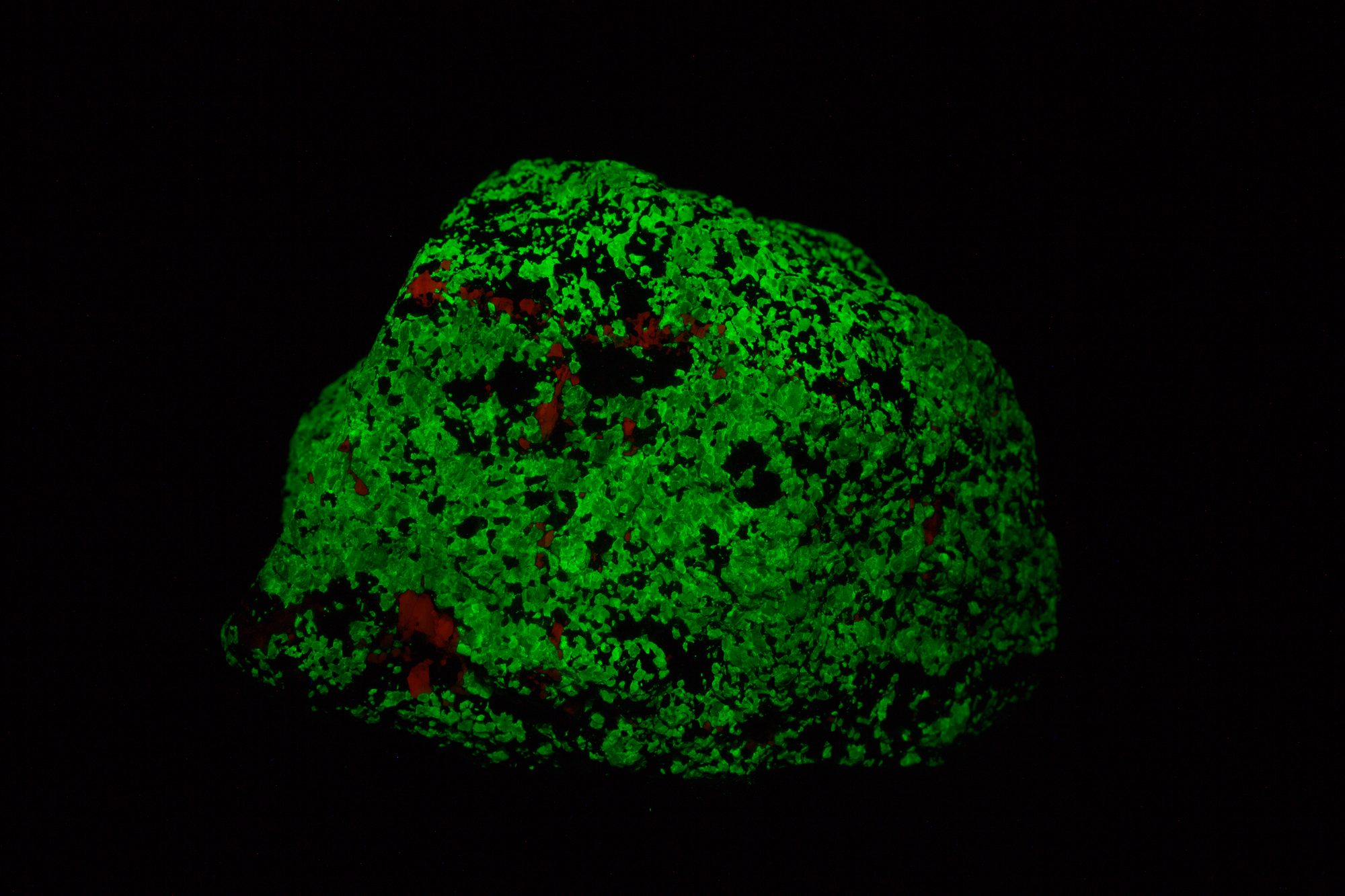
Green
The color of willemite’s glow, as it was named and pictured in three systems: Werner’s words, Ridgway’s plates and Munsell’s chart.
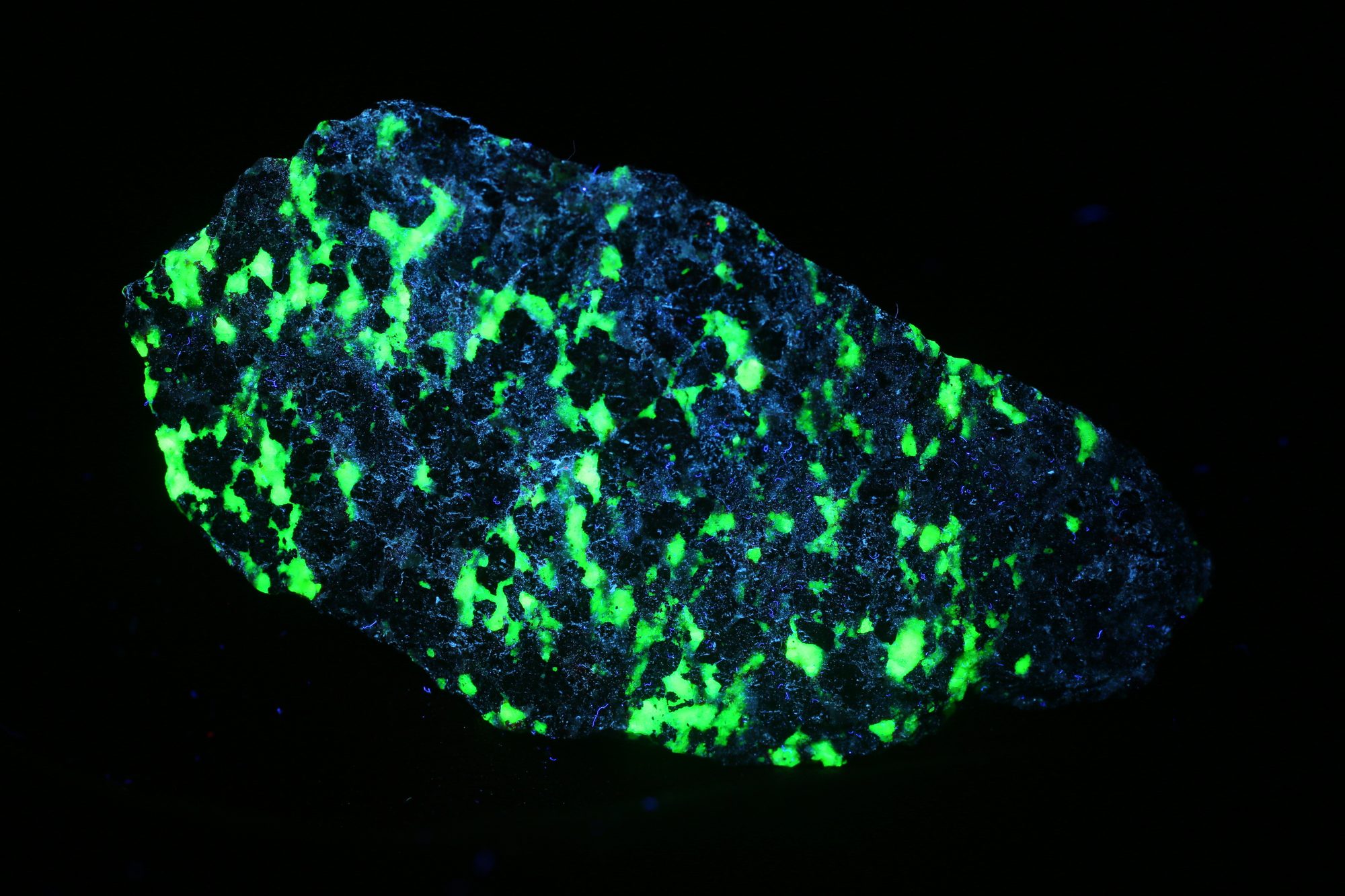
Ultraviolet lights: shortwave, midwave and longwave
Why a Franklin mineral can glow one color under one ultraviolet lamp and another color, or not at all, under the next.
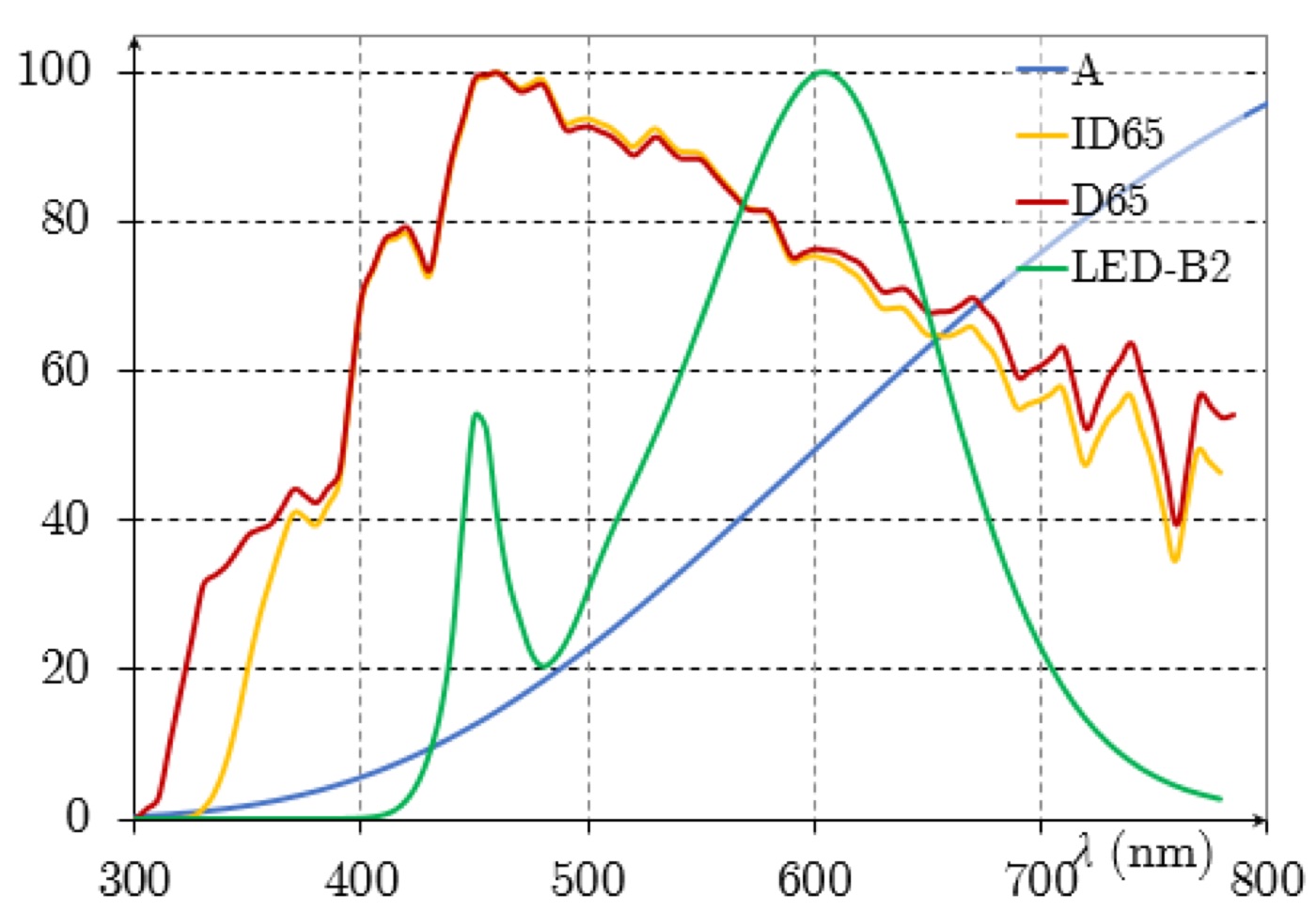
Perception: how a color is seen
Why the same mineral can look different under different lights: illuminants, the three kinds of cone in the eye, metamerism, simultaneous contrast and color constancy.
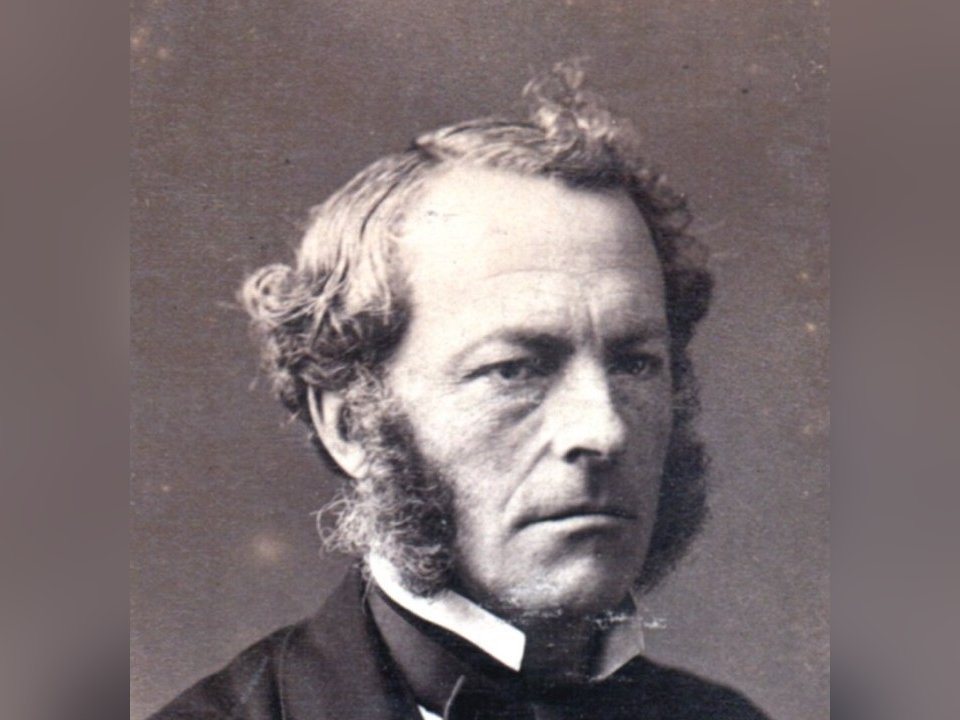
Seeing fluorescence
How fluorescence was named, why Franklin and Sterling Hill minerals glow, and why the glow is so hard to describe in words or to photograph.
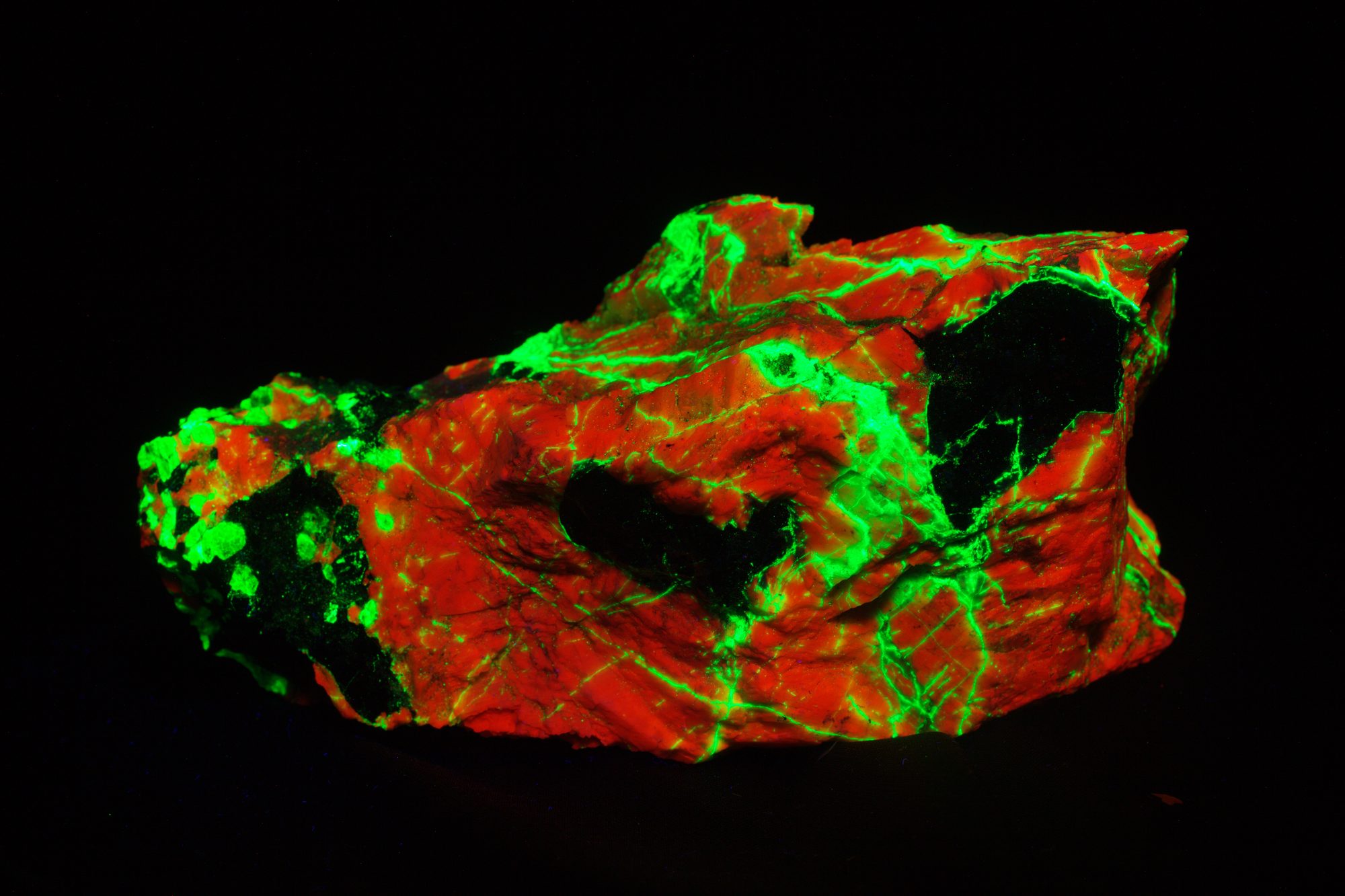
Phosphorescence
Light that goes on after the lamp is turned off: willemite’s afterglow, the Bologna stone of 1602, and minerals that were seen to glow for months and years.
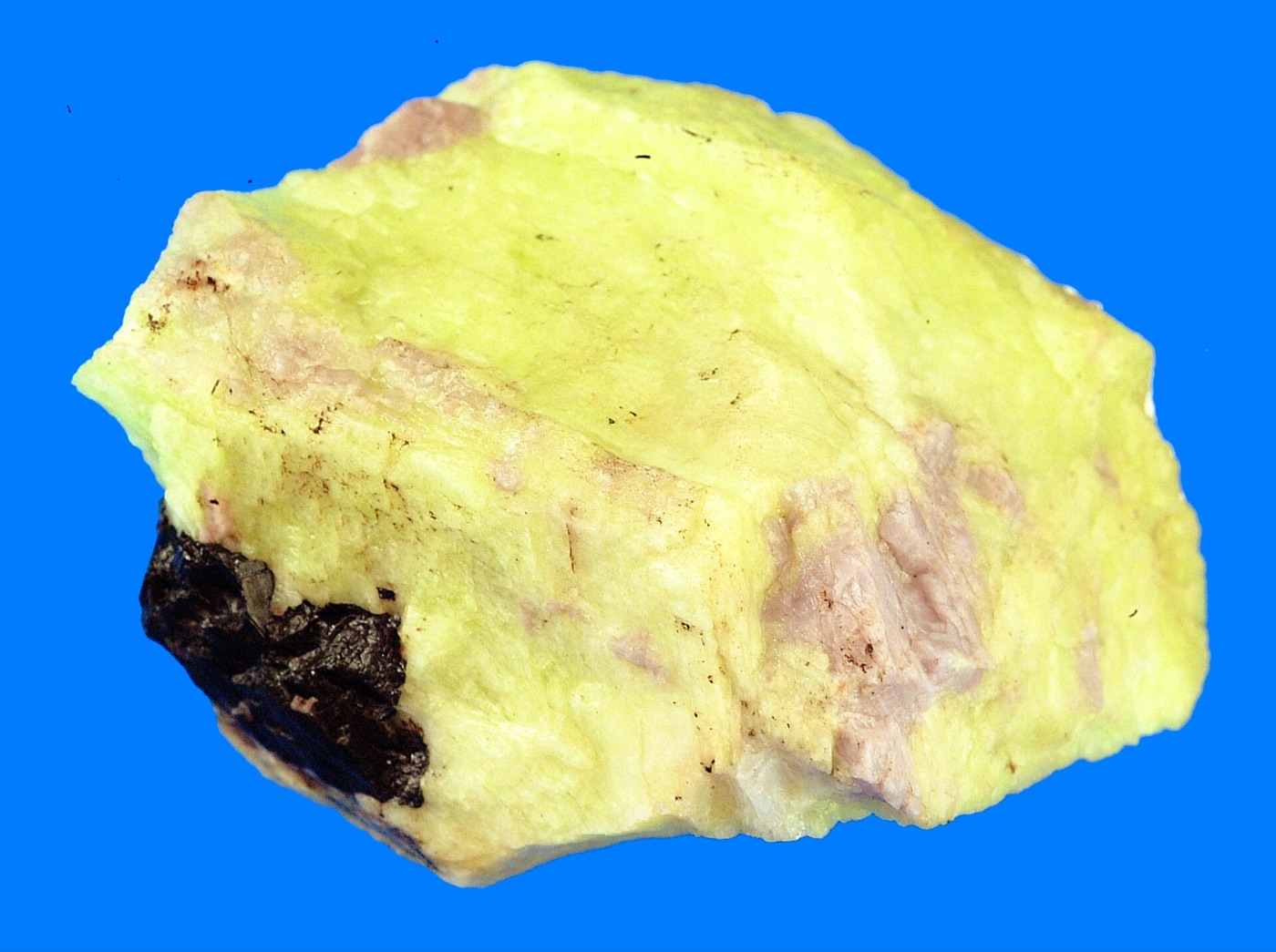
Mineral color terms today
How mineralogists describe color now: the color, streak and luster lines of the Handbook of Mineralogy, Mindat’s search by color, and the streak test as Werner defined it.
The New York Public Library’s guide
The Art and Architecture Collection of the New York Public Library maintains a research guide, Color and Color Theory. Start with the guide’s own introduction. Each of its other sections has a page here, with a picture, five titles to begin with and the librarians’ full reading list.
Written with Claude, an AI model made by Anthropic, from the sources listed above, and checked against them.