A geologists’ standard built on Munsell, so that a rock’s color can be written as a code that another geologist can read: from the hand-mounted chips of the 1947 draft to today’s Munsell Rock Color Book.
Two things to open first
The 1947 draft, in full: Preliminary Draft of the Rock-Color Chart (Rock-Color Chart Committee, July 1947). It carries no copyright notice, so like any American publication of 1947 without one it is in the public domain; the library that lent the scan catalogs it under the U.S. Geological Survey. Its pages carry real color chips, each hand-mounted beside its name and Munsell code. The chart today: the Munsell Rock Color Book, sold by Munsell Color, with 115 chips.
The 1947 draft
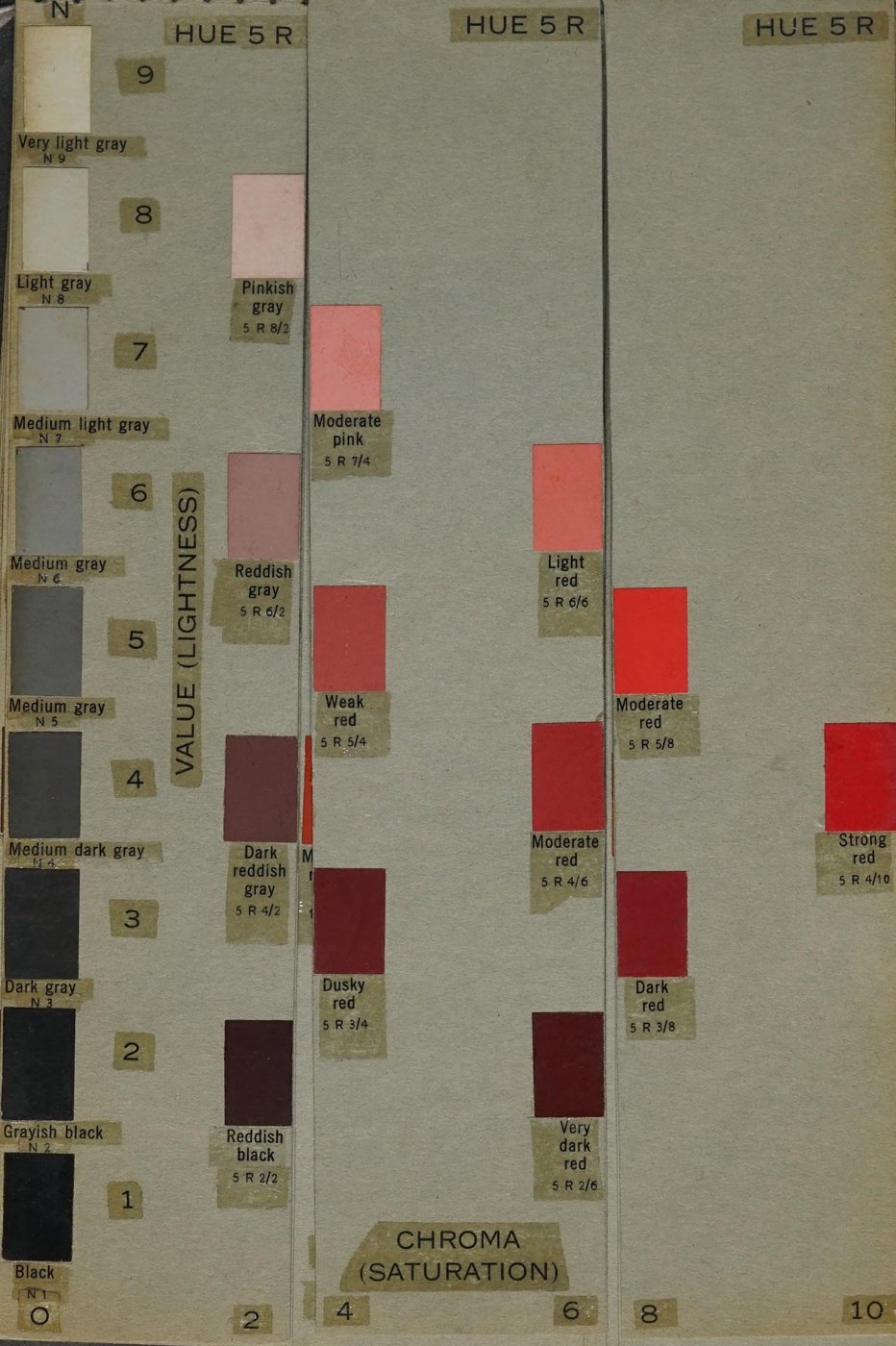
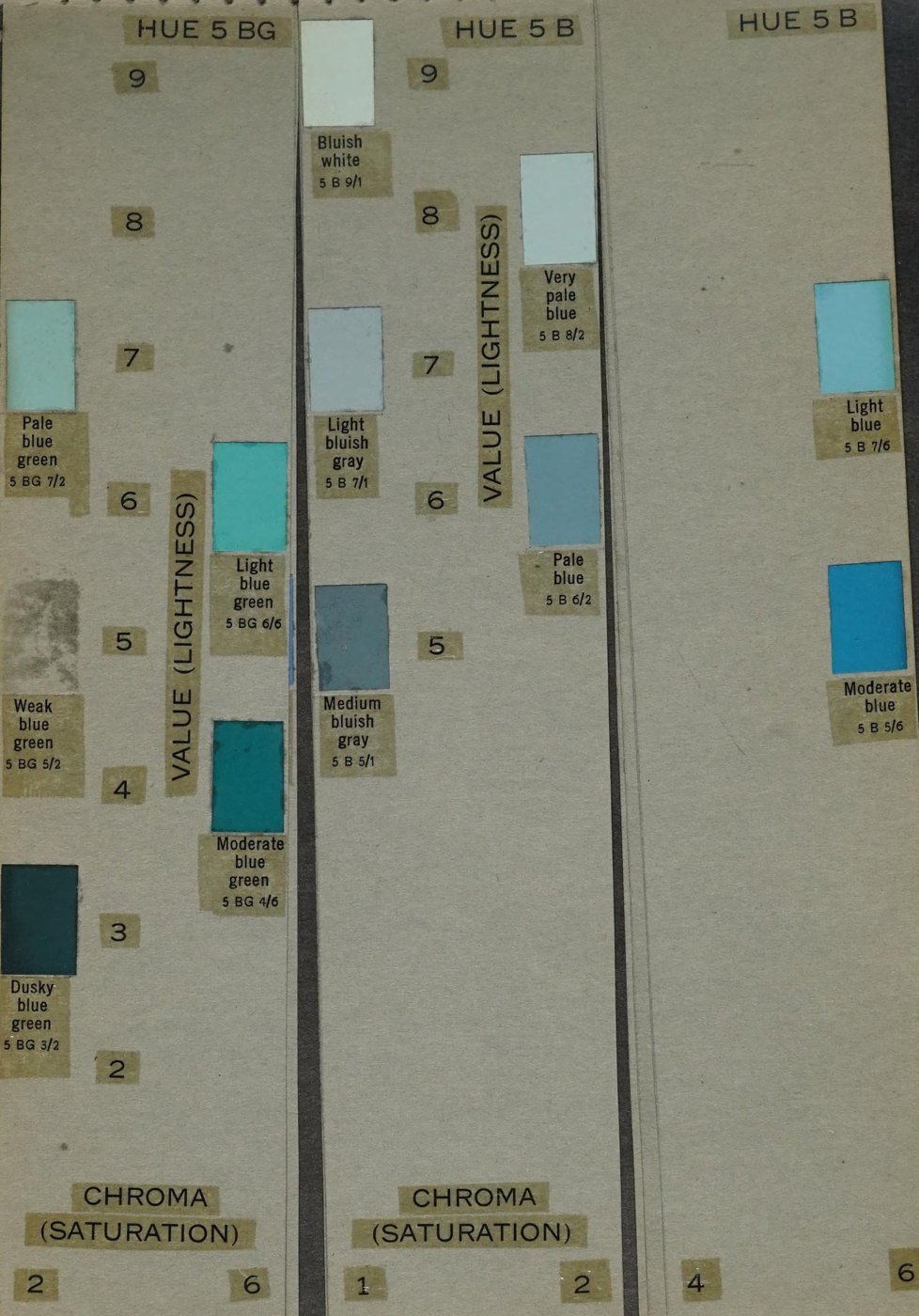
Geologists describing rock in the field faced the same problem as mineralogists: words like “buff” or “drab” meant different things to different people. In the 1940s a committee of geologists prepared a chart of rock colors based on the Munsell system, and its preliminary draft of July 1947 survives in scan. Each page holds one Munsell hue. Down the page the chips run from light to dark (Munsell’s value); across it they run from grayish to strong (chroma). Every chip has a plain name and a code, so a geologist can write “moderate red, 5 R 4/6” and be understood.
The chart today
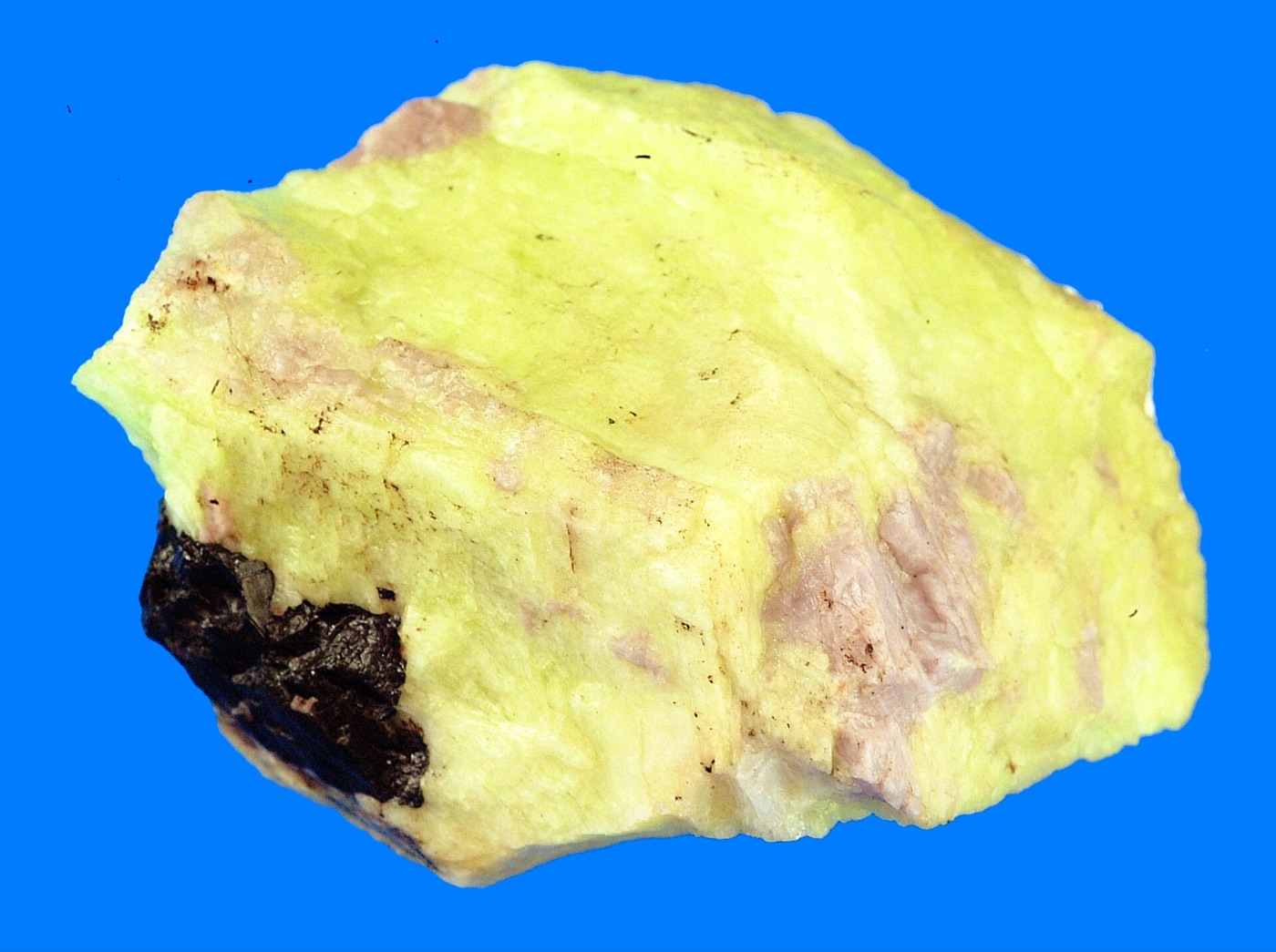
The chart continues today as the Munsell Rock Color Book, with 115 color chips. Each chip carries both a Munsell notation and a name from the ISCC-NBS system, so a geologist matches a wet or dry rock surface to a chip and records, for example, “pale red, 10R 6/2.” Two people working years apart can then compare their descriptions.
Sources and further reading
- Munsell Color: the rock color book. Munsell Color
- Rock-Color Chart Committee, 1947, Preliminary draft of the rock-color chart. Internet Archive
Written with Claude, an AI model made by Anthropic, from the sources listed above, and checked against them. October 2026.