How the Gemological Institute of America describes the color of gems, and how it describes fluorescence.
Describing gem color
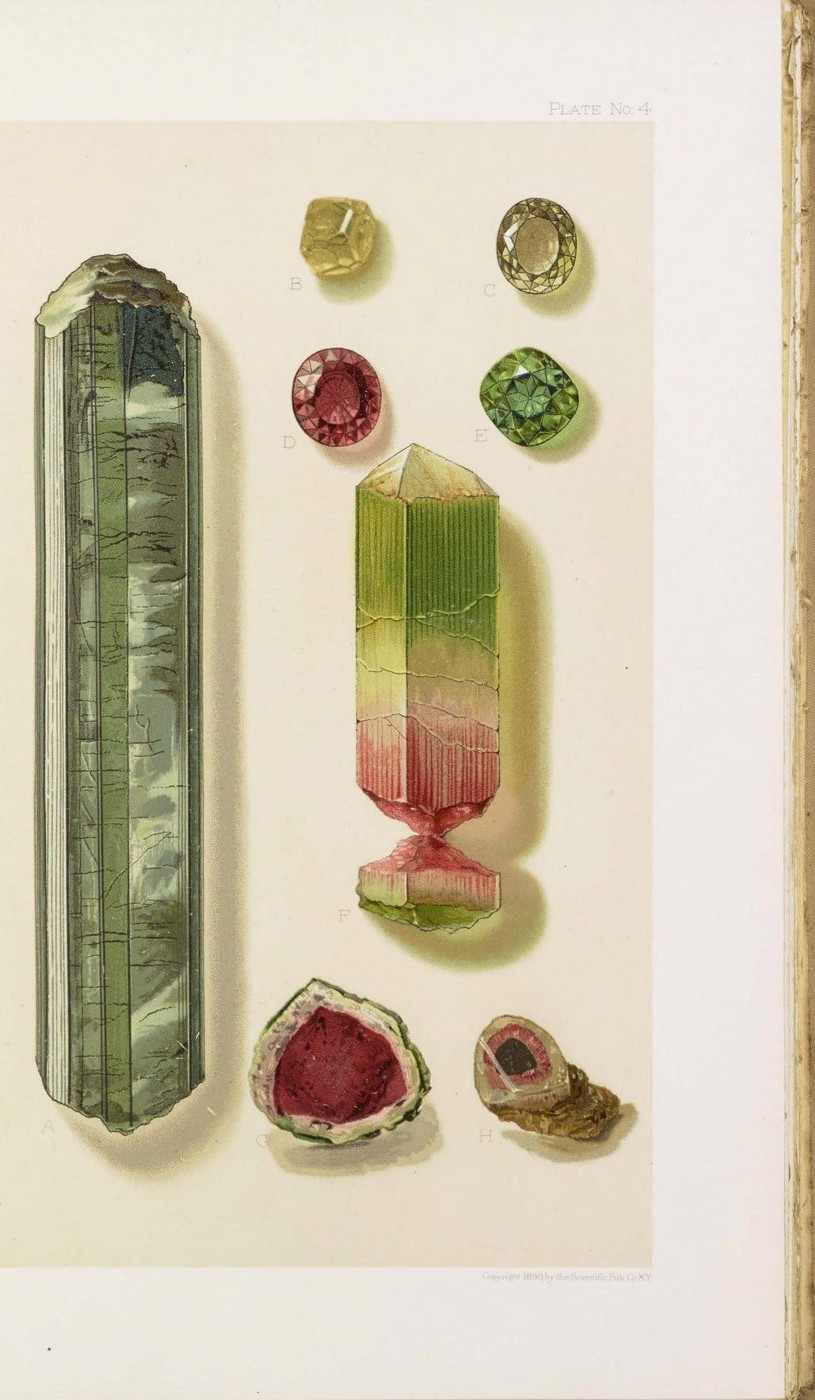
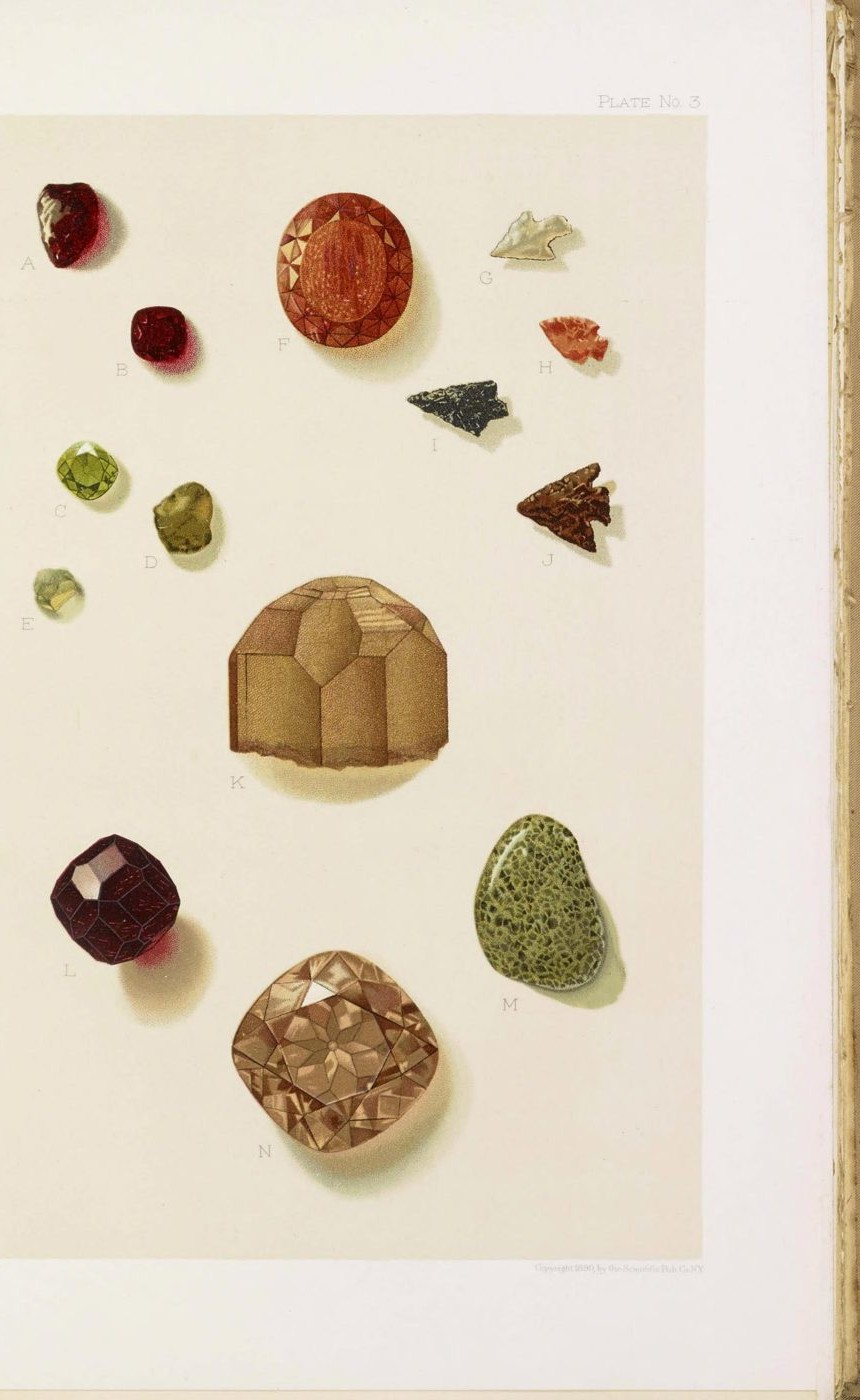
The Gemological Institute of America describes a gem’s color by three terms: hue, the color itself; tone, how light or dark it is; and saturation, how strong or pure it is. The approach parallels Munsell’s hue, value and chroma, and GIA’s laboratory has related its terms to Munsell explicitly, as in King and others, “Color grading of colored diamonds in the GIA Gem Trade Laboratory” (Gems & Gemology, 1994).
Describing fluorescence
GIA also records fluorescence, the glow of a stone under ultraviolet light, by strength (none, faint, medium, strong, very strong) and by color. Its laboratory studied how blue fluorescence affects a diamond’s appearance in Moses and others, 1997, and again with instruments in 2021. These are among the few systematic attempts to describe the strength and color of fluorescence in words.
Sources and further reading
- GIA Gems & Gemology archive. GIA
- King, J. M., and others, 1994, Color grading of colored diamonds in the GIA Gem Trade Laboratory. Gems & Gemology, Winter 1994. GIA
- Kunz, G. F., 1890, Gems and precious stones of North America. New York: Scientific Publishing Co. (source of the plates). Internet Archive
- Moses, T. M., and others, 1997, A contribution to understanding the effect of blue fluorescence on the appearance of diamonds. Gems & Gemology, Winter 1997. GIA
Written with Claude, an AI model made by Anthropic, from the sources listed above, and checked against them. October 2026.