Light that goes on after the lamp is turned off: willemite’s afterglow, the Bologna stone of 1602, and minerals that were seen to glow for months and years.
Fluorescence and phosphorescence
Charles Palache drew the distinction plainly in his paper of 1928 on the Franklin minerals: “By the term fluorescence as here used is meant the color reaction given by some minerals when exposed to ultraviolet light. If this color endures after the light is extinguished the mineral is said to show phosphorescence.” He added that “no observation of phosphorescence of very short duration is here included,” so his paper says nothing about faint glows lasting only a moment.
Willemite’s afterglow
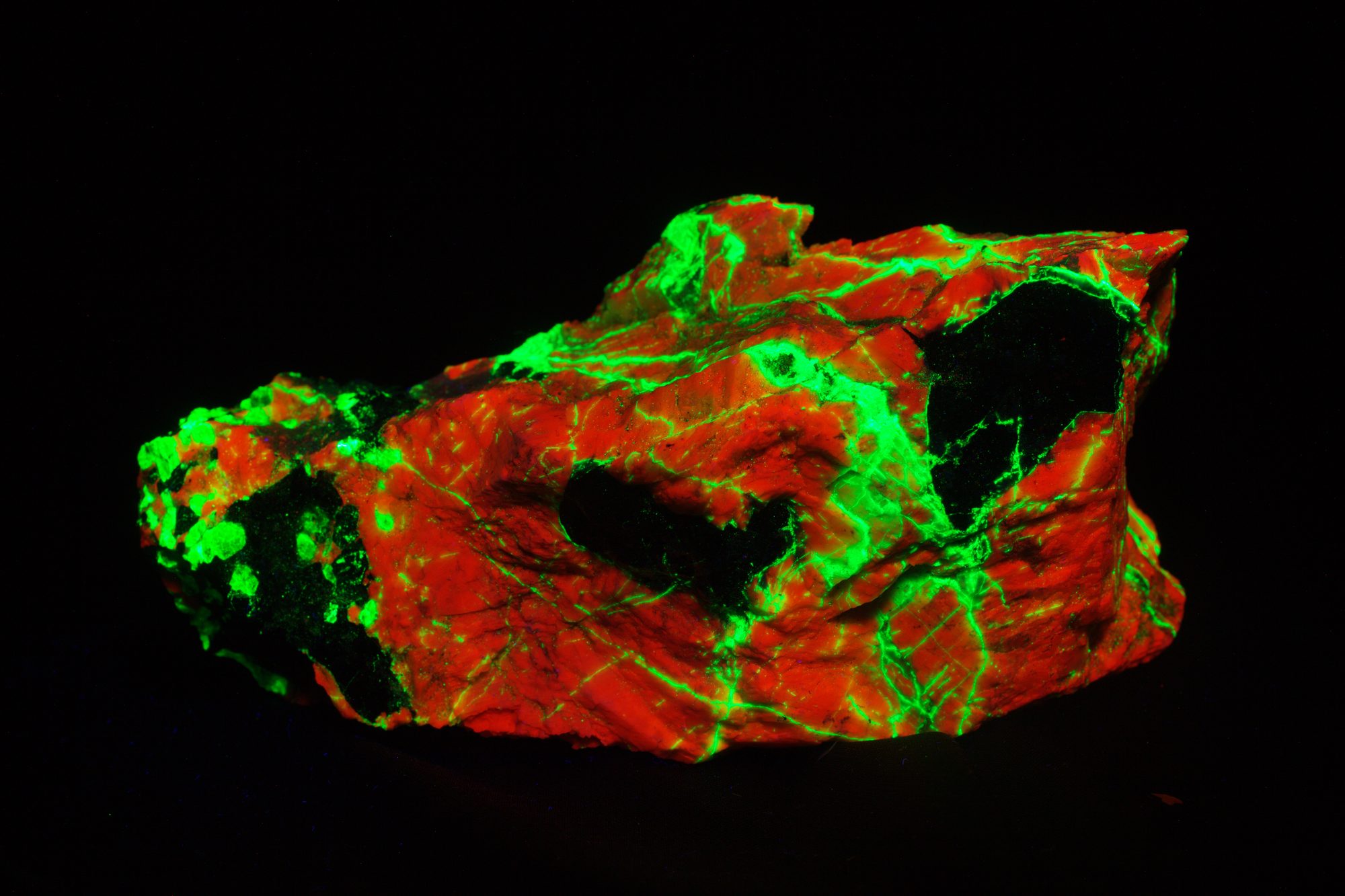
“The only Franklin mineral showing strong phosphorescence is willemite,” Palache wrote (p. 330–331). Its strength varies with composition. The veins of radiated fibrous willemite containing a little manganese, he found, “have a phosphorescence so strong that the vivid green glow lasts five minutes or more after brief exposure to the iron-arc” (p. 332). The purest white willemite gave a weak reaction or none, as did troostite, the variety high in manganese, and the so-called “black” willemite, crowded with minute inclusions of franklinite, did not fluoresce. Calcium-larsenite (now esperite), which fluoresces more intensely than willemite, “does not phosphoresce.”
Palache noted that some specimens phosphoresced after exposure to a mercury arc but not after the iron spark, and that without either lamp “the phosphorescence of willemite can be very well exhibited by burning a short length of magnesium ribbon close to the specimens.”
The Bologna stone

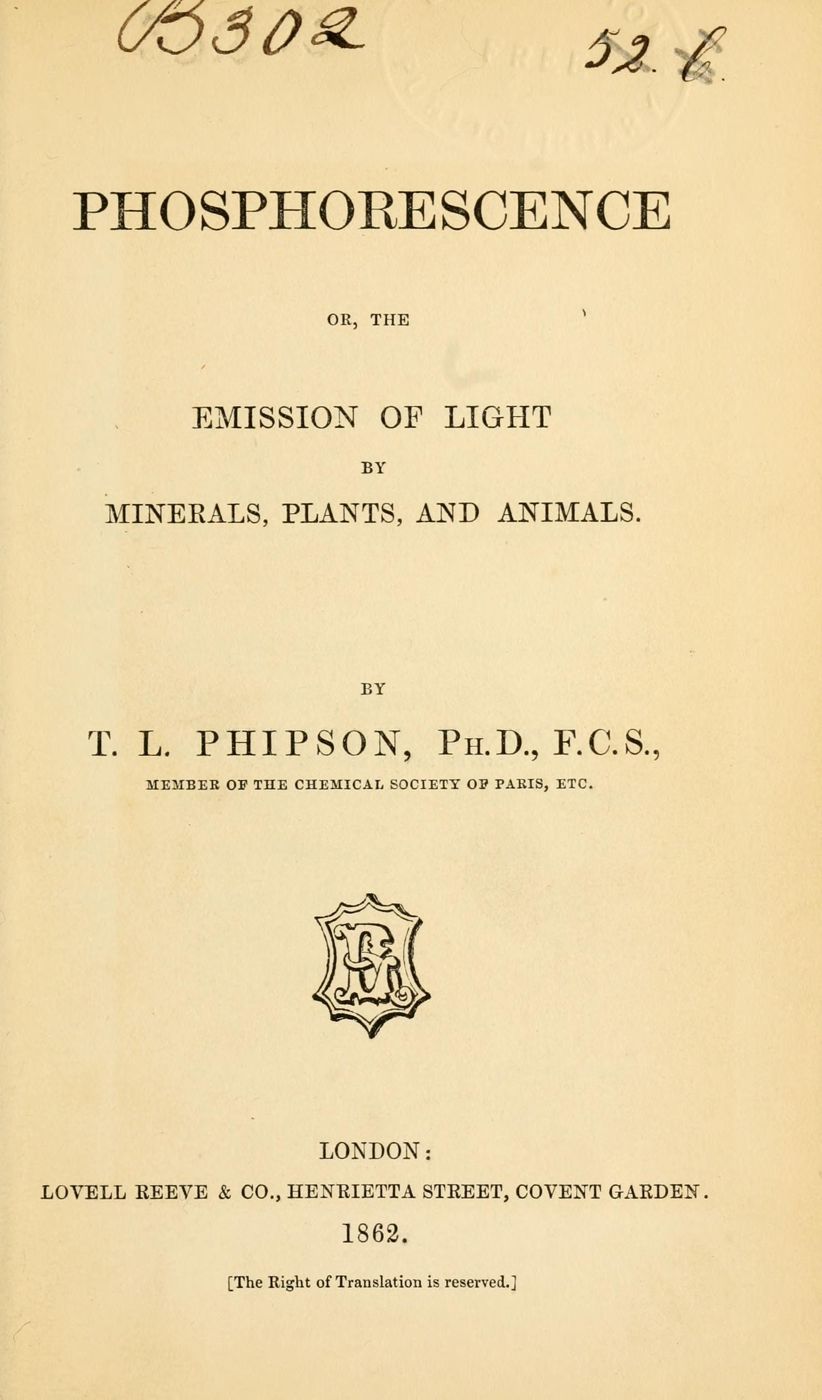
The first substance known to glow after exposure to sunlight was made from a mineral. T. L. Phipson tells the story at the start of Phosphorescence, or the Emission of Light by Minerals, Plants, and Animals (1862). A Bolognese shoemaker and alchemist, Vincenzo Cascariolo (“Some write his name Casciarolo”), picked up a stone remarkable for its weight near Monte Paterno, about a league from Bologna, and heated it with charcoal, hoping perhaps to extract a metal. The stone was heavy-spar, barite. “In the year 1602” he showed the product, which he called lapis solaris, to the alchemist Scipio Begatello. It shone in the dark after being exposed to the sun.
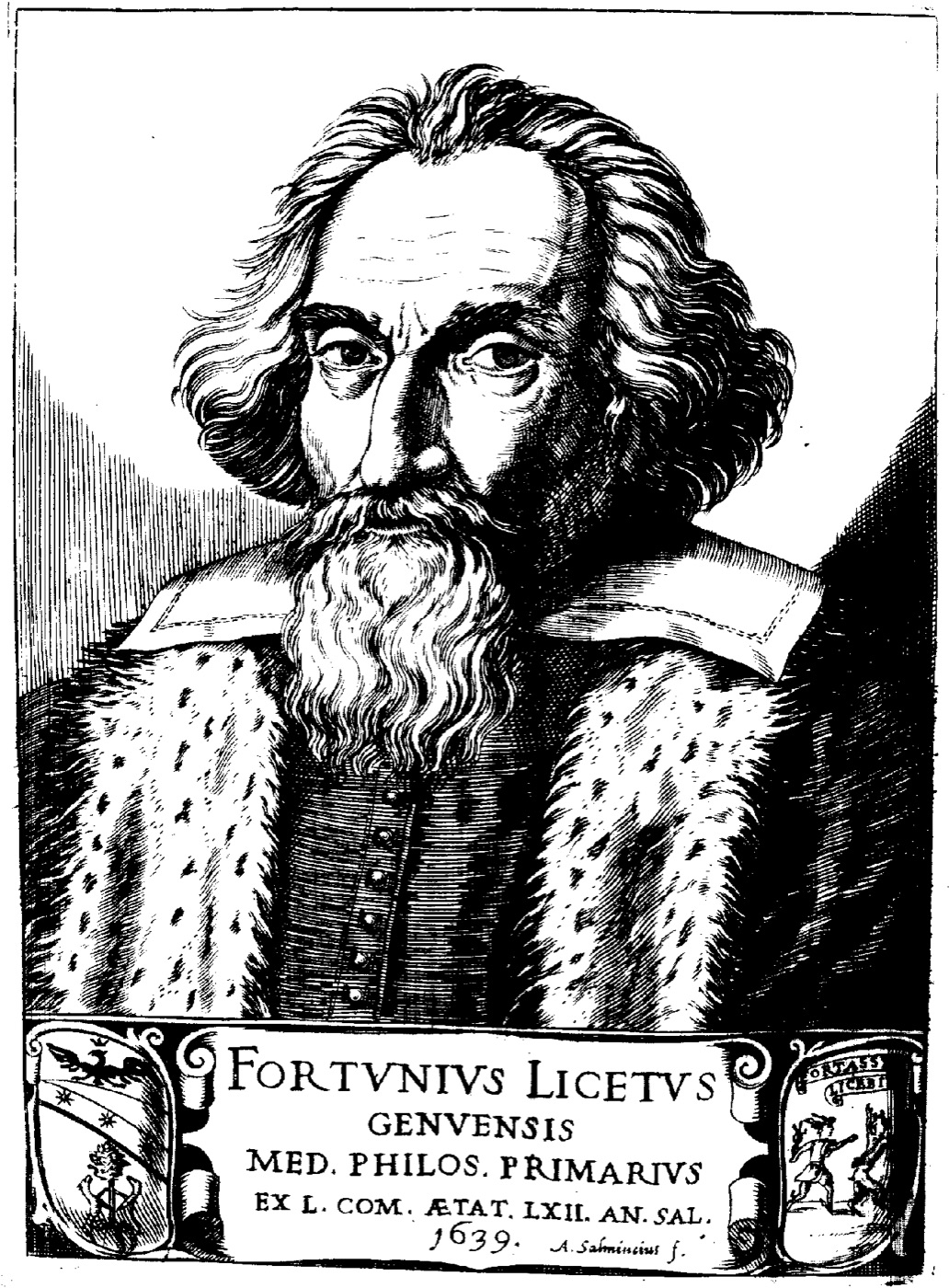
Phipson identified the glowing product as sulphuret of barium, barium sulfide, formed when the barite was heated with charcoal, and recorded that it was long sold in Bologna “under the name of Solar Phosphorus, or the Bologna Stone.” The stone was the subject of an early book by the philosopher Fortunio Liceti, Litheosphorus, sive de Lapide Bononiensi (Udine, 1640), listed in Phipson’s bibliography. The word phosphorus itself, Phipson notes, was the name the ancient Greeks gave “to the morning star.”
Phosphorescence lasting months and years
In 1950 H. E. Millson and H. E. Millson reported in the Journal of the Optical Society of America on “Observations on exceptional duration of mineral phosphorescence” (vol. 40, p. 430). They exposed minerals briefly to shortwave ultraviolet light and followed the afterglow with dark-adapted eyes and, after it became too faint to see, with photographic film. They found protracted phosphorescence in calcite, fluorite, spodumene, wernerite, willemite and synthetic phosphors. A calcite from Texas, after one minute’s exposure, “emitted an afterglow which was distinguishable to dark-adapted eyes for 4600 hours,” more than six months; a fluorite from Trumbull, Connecticut, similarly exposed, continued to glow perceptibly for more than four years. They returned to the subject in “Duration of phosphorescence II” (1964).
These are extreme cases. The willemite that collectors see glowing for seconds or minutes after the lamp is switched off shows the ordinary form of the same phenomenon.
Sources and further reading
- Liceti, F., 1640, Litheosphorus, sive de lapide Bononiensi. Udine. (Portrait from the BEIC copy.) Wikimedia Commons
- Millson, H. E., and Millson, H. E., 1950, Observations on exceptional duration of mineral phosphorescence. Journal of the Optical Society of America, vol. 40, p. 430. DOI 10.1364/JOSA.40.000430. Abstract (Optica)
- Millson, H. E., and Millson, H. E., 1964, Duration of phosphorescence II. Journal of the Optical Society of America, vol. 54, p. 638. DOI 10.1364/JOSA.54.000638. Optica
- Palache, C., 1928, The phosphorescence and fluorescence of Franklin minerals. American Mineralogist, vol. 13, p. 330–333. PDF
- Phipson, T. L., 1862, Phosphorescence, or the emission of light by minerals, plants, and animals. London: Lovell Reeve. Full scan (Internet Archive)
Written with Claude, an AI model made by Anthropic, from the sources listed above, and checked against them. October 2026.