The quarries
Minerals of the Franklin and Sterling Hill area, in daylight and under shortwave, midwave and longwave ultraviolet light. Of these places, only two are open to the public for collecting: the Buckwheat Dump at the Franklin Mineral Museum, and the Mine Run Dump at the Sterling Hill Mining Museum.
Photographs of specimens from each locality, from personal and museum collections, credited to the photographer and owner where known. More are being added. Each locality links to its mindat.org page.
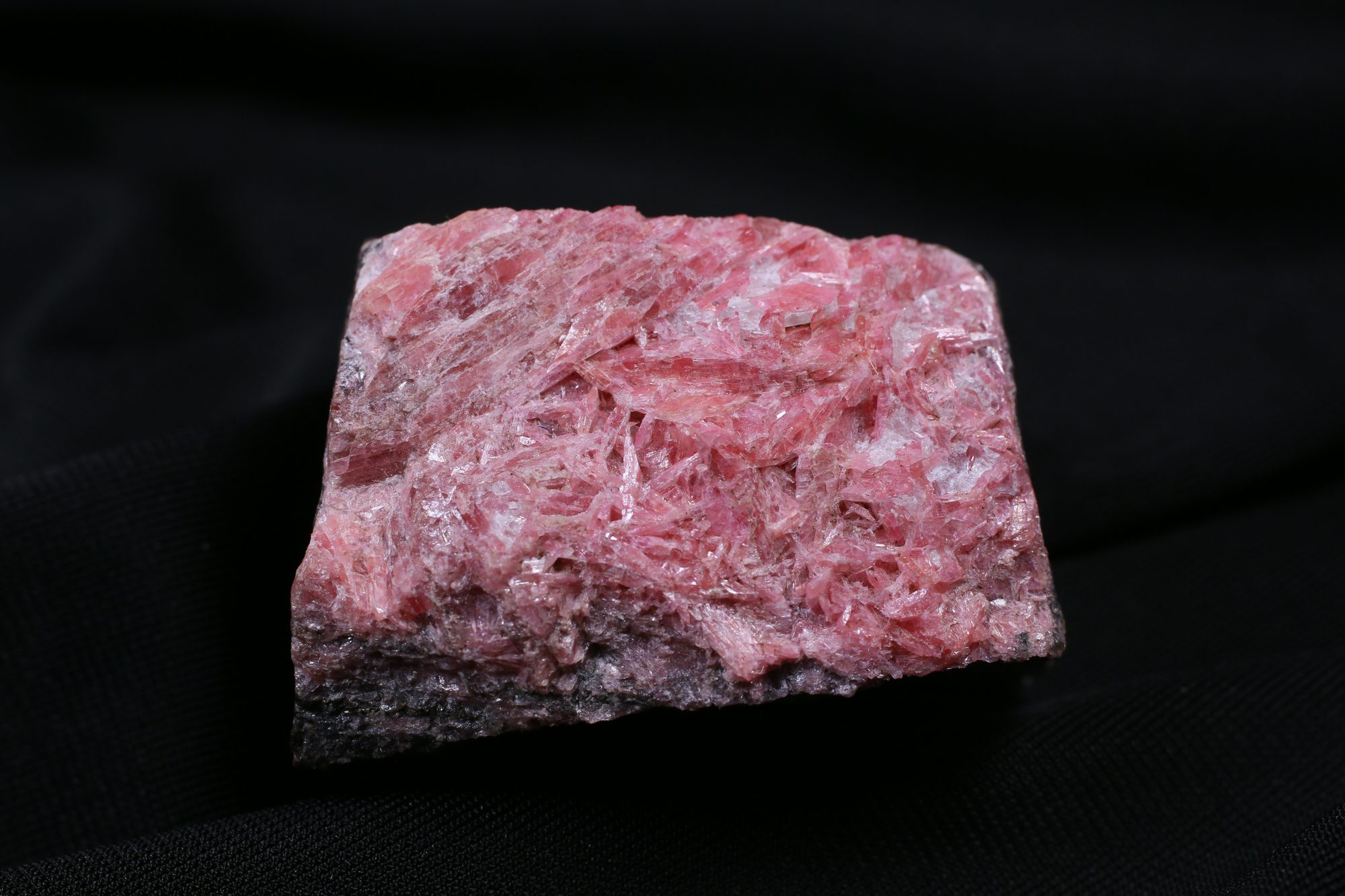 FranklinFranklin Mining District · 9 photos · 337 museum photosThe Buckwheat Dump at the Franklin Mineral Museum, the Taylor Road dump, and the historical Parker Shaft.
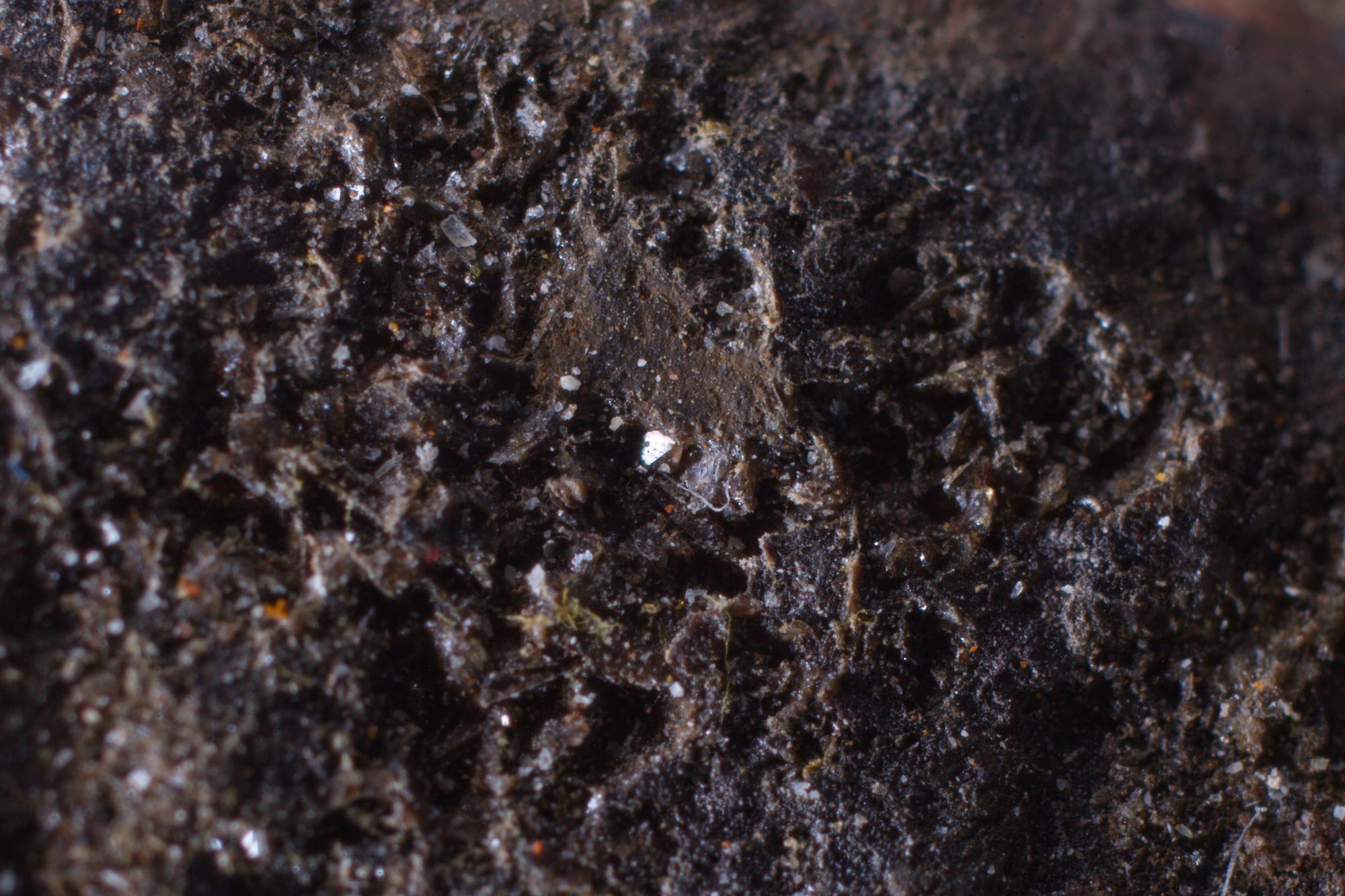 Sterling HillOgdensburg · 10 photos · 14 museum photosThe Mine Run Dump at the Sterling Hill Mining Museum, and the historical Passaic Pit.photos comingAndover MineAndoverAn old iron mine.photos comingFowler QuarryFranklinAn old limestone quarry in the Franklin Marble.
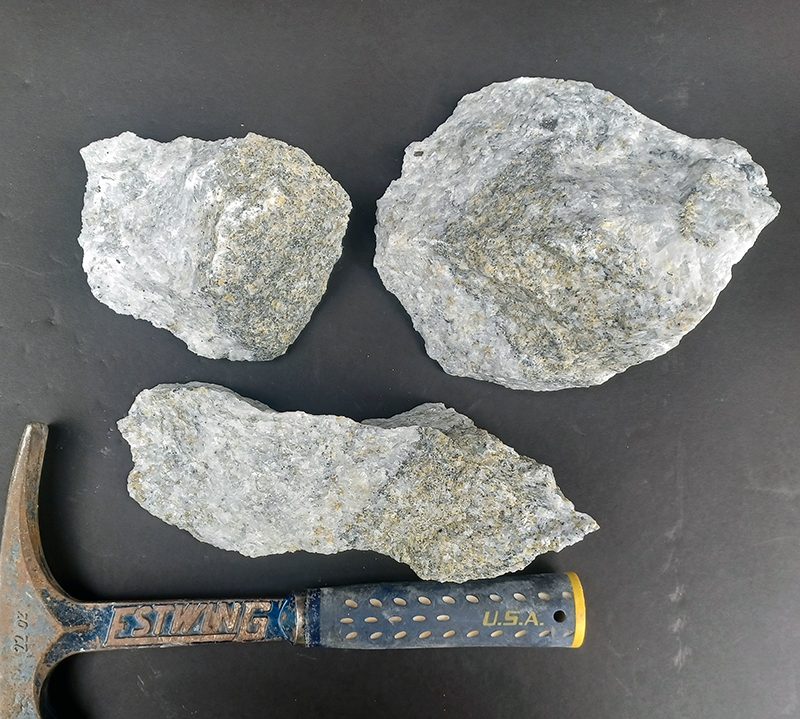 Franklin QuarryFranklin · 5 photos · 1 museum photoA quarry in the Franklin Marble, between the two zinc orebodies.
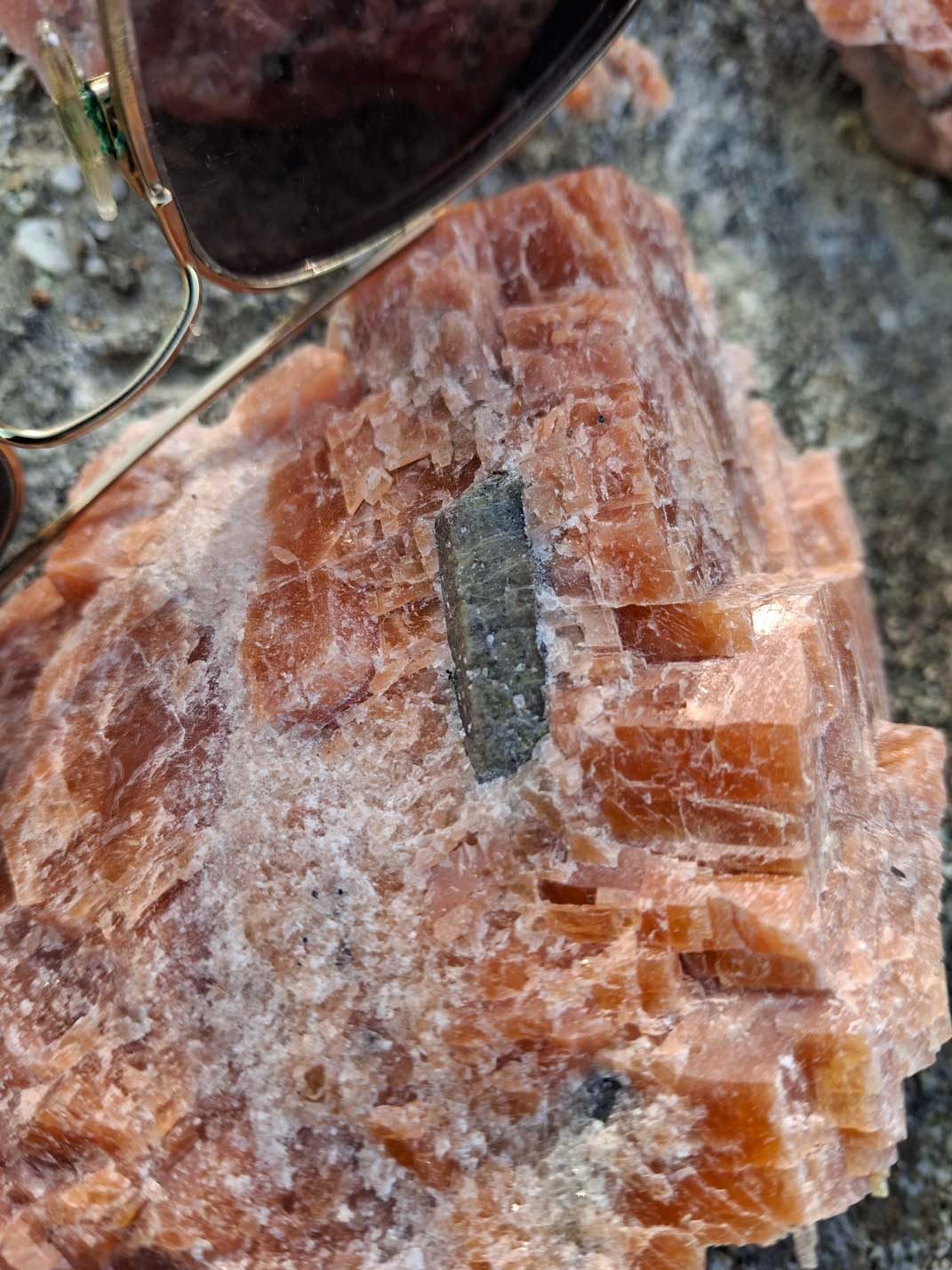 Hamburg QuarryHamburg · 7 photosA working quarry in Hamburg.
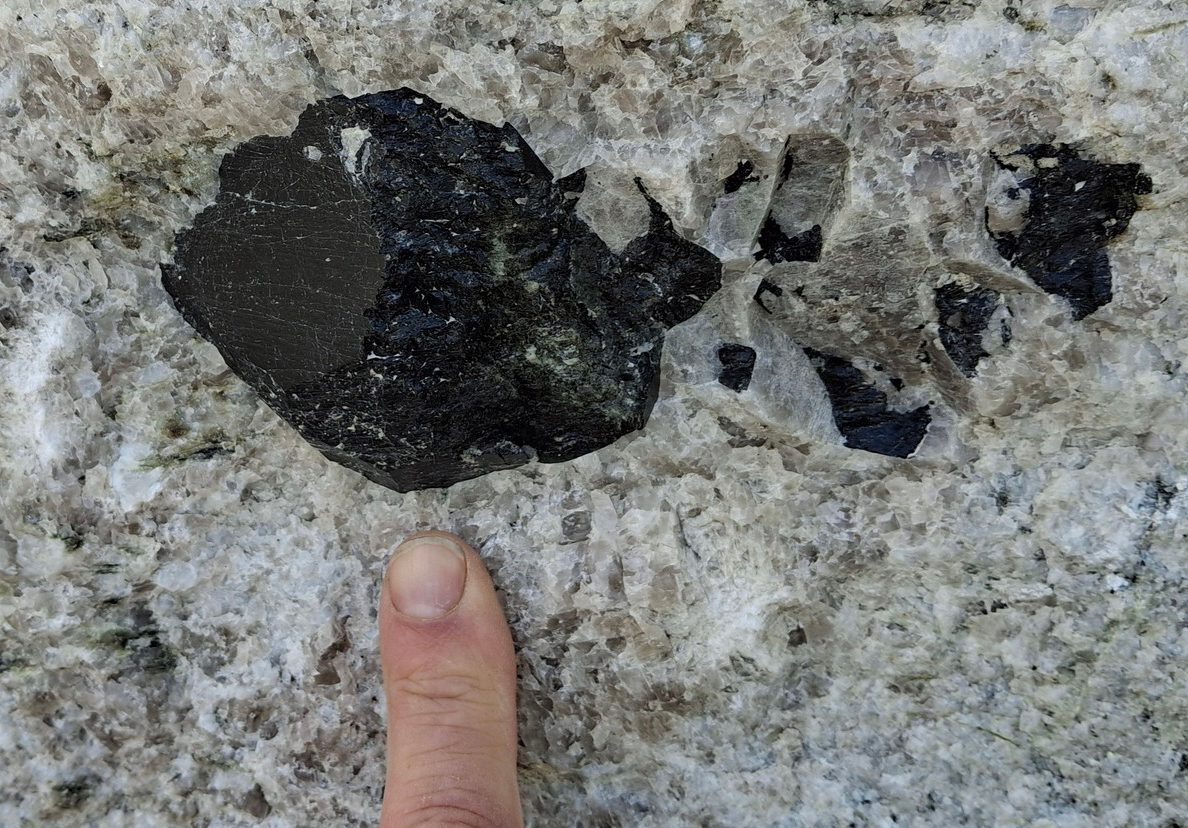 Limecrest QuarryLafayette · 11 photos · 2 museum photosA working quarry in Lafayette.
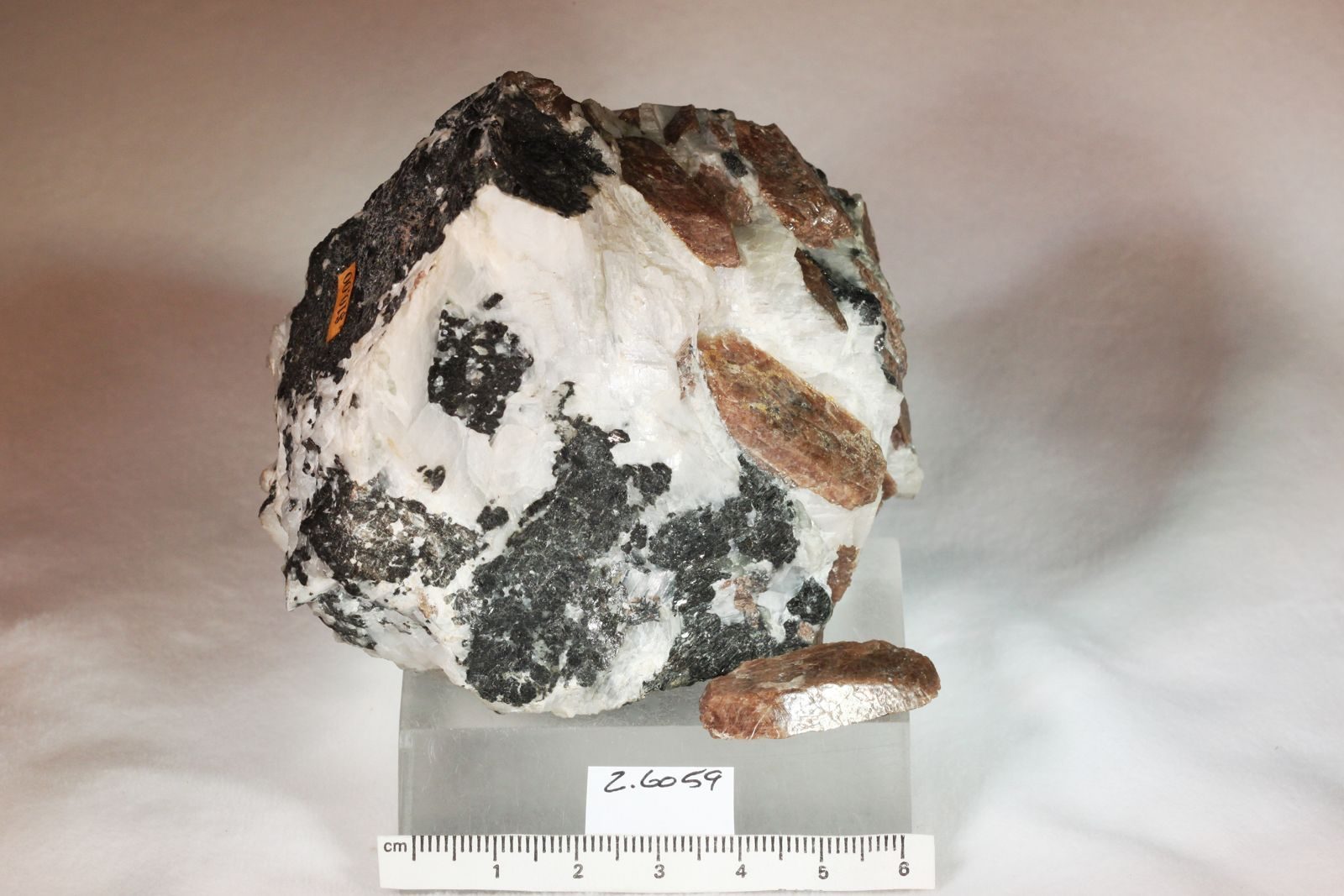 Rudeville, HardystonHardyston Township · 1 museum photoRudeville, also written Rudetown: home of the Bodnar quarry.
Lights and what glows
Shortwave UV (about 254 nm) makes most Franklin and Sterling Hill minerals fluoresce brightly and is the collector's standard; midwave (about 312 nm) helps with identification; longwave (about 360 nm) lights some and not others. Inexpensive store “black lights” at 350–450 nm show little. Shortwave light burns skin and eyes: wear UV-blocking glasses. Common fluorescent minerals here: calcite, willemite, sphalerite, hydrozincite, microcline, norbergite, wollastonite, aragonite, fluorapatite, hardystonite and clinohedrite; and the ore minerals zincite and franklinite.